THE ADVENTURE COLLECTIVE® · Independent discovery and booking for outdoor travel

Create hyper-realistic food samples, dine samurai-style on artisanal soba, and watch the beach turn into a mirror at low tide—this full-day Fukuoka tour blends hands-on craft with coastal rituals. Practical timing, tide tips and what to pack help you make the most of the 10+ hour experience.
Create hyper-realistic food samples, dine samurai-style on artisanal soba, and watch the beach turn into a mirror at low tide—this full-day Fukuoka tour blends hands-on craft with coastal rituals. Practical timing, tide tips and what to pack help you make the most of the 10+ hour experience.
A morning in Fukuoka begins in a bright workshop where blobs of colored wax and gleaming tools wait for steady hands.
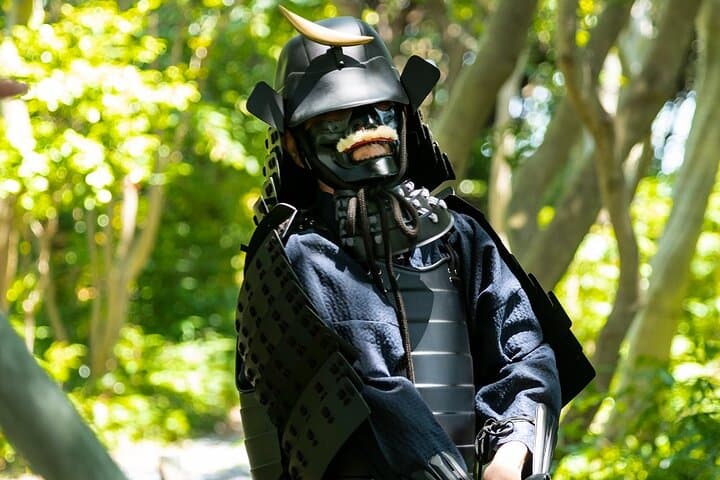
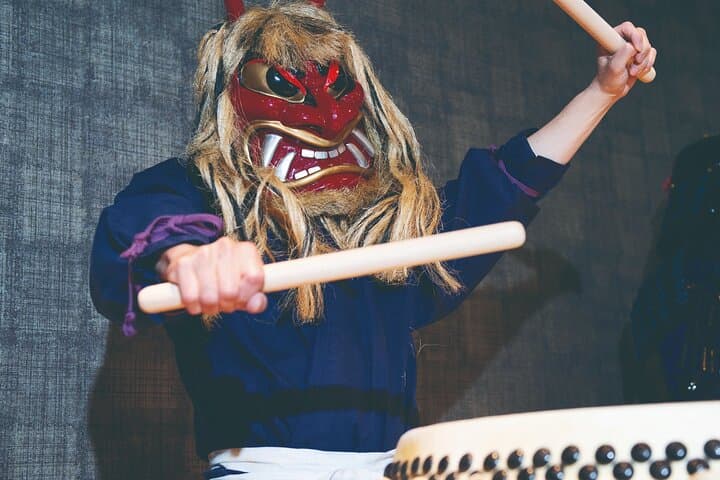
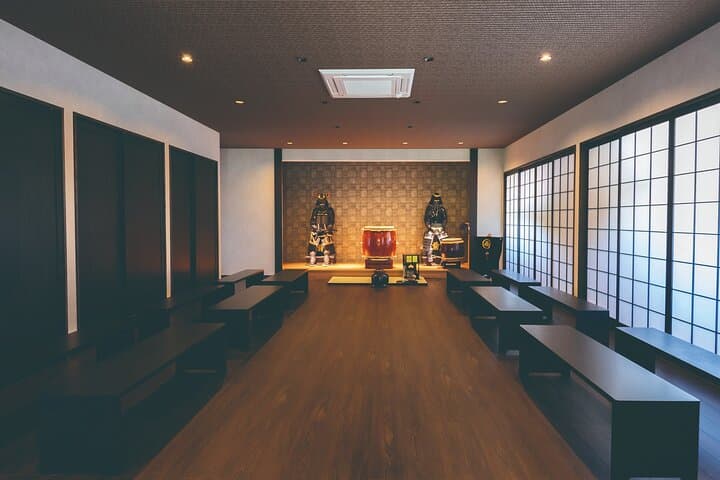
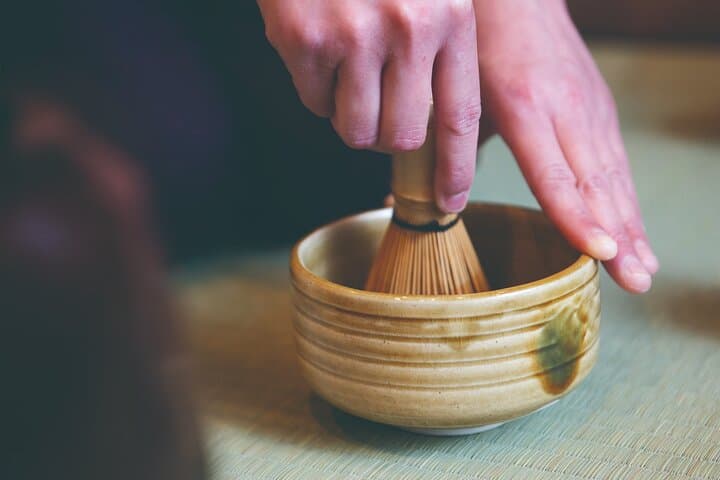
The Sample RiKi studio hums with focused conversation as guides walk you through sculpting and painting hyper-realistic food samples—sushi, soba, even tempura—until the shapes look good enough to order. By midday the itinerary shifts: a samurai-themed lunch at Busho Chaya pairs soba and matcha with staged demonstrations that evoke local martial heritage.
Verified experiences and guided adventures in the surrounding area.
Operated by H.I.S.Co., Ltd. · Fukuoka, Fukuoka Prefecture
A morning in Fukuoka begins in a bright workshop where blobs of colored wax and gleaming tools wait for steady hands.
The Sample RiKi studio hums with focused conversation as guides walk you through sculpting and painting hyper-realistic food samples—sushi, soba, even tempura—until the shapes look good enough to order. By midday the itinerary shifts: a samurai-themed lunch at Busho Chaya pairs soba and matcha with staged demonstrations that evoke local martial heritage.
History and culture thread through the day. Sampuru (food samples) grew from early 20th-century shop displays into an artisanal industry; Miyajidake Shrine’s approach and stone staircase have drawn locals for centuries, and twice a year the setting sun aligns with the avenue to create a golden path to the sea.
Geology and coastline are part of the spectacle at Kagami no Umi (Mirror Sea). At low tide the flat sand becomes a reflecting plate, daring photographers to chase vanishing horizons and sunset colors. Salt air and gull calls punctuate quiet moments on the shore.
Practical guidance: this is a low-strain day tour (about 10–11 hours). Wear comfortable shoes for walking on sand and shrine steps and bring a small pack for layers. If you want crisp mirror reflections, check local tide charts and aim for low tide near sunset; mornings are better for focused craft time. Inform the operator of food allergies in advance. Bring a portable battery for your phone—there are too many photo opportunities to miss.
easy.
10–11 hours.
Suitable for all fitness levels; involves light walking, standing during demonstrations, and some steps.
Yes—the operator requests advance notice of food allergies or dietary restrictions so they can advise or adjust the samurai lunch where possible.
The tour lasts about 10–11 hours and is described as easy-paced with mostly short walks, standing for demonstrations, and time on a bus between stops.
Children under 4 may join free but without a provided meal or seat; the craft activity and samurai show are family-friendly with supervision.
If fewer than the required number join, the tour may be canceled up to 7 days before departure and you’ll be notified for a refund or rescheduling.
Miyajidake Shrine has long been a pilgrimage site; the shrine’s straight approach creates a rare solar alignment twice yearly that draws visitors for centuries.
The Mirror Sea relies on tidal flats—avoid walking on fragile saltmarsh and stick to marked paths; respect shrine grounds and pack out all waste.
H.I.S.Co., Ltd. operates guided outdoor trips and adventures with an emphasis on safety, stewardship, and memorable experiences.
A morning in Fukuoka begins in a bright workshop where blobs of colored wax and gleaming tools wait for steady hands.
The Sample RiKi studio hums with focused conversation as guides walk you through sculpting and painting hyper-realistic food samples—sushi, soba, even tempura—until the shapes look good enough to order. By midday the itinerary shifts: a samurai-themed lunch at Busho Chaya pairs soba and matcha with staged demonstrations that evoke local martial heritage.
A morning in Fukuoka begins in a bright workshop where blobs of colored wax and gleaming tools wait for steady hands.
The Sample RiKi studio hums with focused conversation as guides walk you through sculpting and painting hyper-realistic food samples—sushi, soba, even tempura—until the shapes look good enough to order. By midday the itinerary shifts: a samurai-themed lunch at Busho Chaya pairs soba and matcha with staged demonstrations that evoke local martial heritage.
History and culture thread through the day. Sampuru (food samples) grew from early 20th-century shop displays into an artisanal industry; Miyajidake Shrine’s approach and stone staircase have drawn locals for centuries, and twice a year the setting sun aligns with the avenue to create a golden path to the sea.
Geology and coastline are part of the spectacle at Kagami no Umi (Mirror Sea). At low tide the flat sand becomes a reflecting plate, daring photographers to chase vanishing horizons and sunset colors. Salt air and gull calls punctuate quiet moments on the shore.
Practical guidance: this is a low-strain day tour (about 10–11 hours). Wear comfortable shoes for walking on sand and shrine steps and bring a small pack for layers. If you want crisp mirror reflections, check local tide charts and aim for low tide near sunset; mornings are better for focused craft time. Inform the operator of food allergies in advance. Bring a portable battery for your phone—there are too many photo opportunities to miss.