THE ADVENTURE COLLECTIVE® · Independent discovery and booking for outdoor travel

Explore Fukuoka on foot and by subway: a paced, full-day loop that pairs gardens and castle ruins with seaside boardwalks and retro markets. Ideal for travelers who want cultural depth and efficient local transport.
Explore Fukuoka on foot and by subway: a paced, full-day loop that pairs gardens and castle ruins with seaside boardwalks and retro markets. Ideal for travelers who want cultural depth and efficient local transport.
A morning in Fukuoka begins with a subway tile underfoot and the distant rumble of trains, an urban heartbeat that sets the pace for the day. Participants step off at a central station and move through a sequence of contrasts: the cool stone promenades of Ohori Park, the clipped lawns around Fukuoka Castle remnants, the bright chaos of a retro market, and the wind-swept boardwalk by the bay. The tour threads walking with short, efficient public-transit hops so each stop feels deliberate rather than rushed.
Verified experiences and guided adventures in the surrounding area.
Operated by Shannon Lefebvre · Fukuoka, Fukuoka Prefecture
A morning in Fukuoka begins with a subway tile underfoot and the distant rumble of trains, an urban heartbeat that sets the pace for the day. Participants step off at a central station and move through a sequence of contrasts: the cool stone promenades of Ohori Park, the clipped lawns around Fukuoka Castle remnants, the bright chaos of a retro market, and the wind-swept boardwalk by the bay. The tour threads walking with short, efficient public-transit hops so each stop feels deliberate rather than rushed.
Fukuoka’s story is visible in its streets: Hakata merchants’ commercial energy, samurai-era walls that resisted 13th-century invasions, and Meiji-era modernization that opened the city to trade. Geology here is gentle — reclaimed coastline, low rolling terraces and parkland built around a former moat — which keeps walking distances mostly flat and accessible.
Culturally, the group moves between Shinto shrines that still issue blessings and markets selling regional flavors like Hakata ramen and fresh seafood. Ohori’s Japanese gardens and Maizuru Park offer quiet moments to change pace and try on a kimono for a hands-on cultural touch.
Practically, expect 7–8 hours of mixed walking and transit, moderate effort on paved surfaces, and small group logistics (up to 8 people) with hotel pickup available. The tour includes a sit-down or grab-and-go lunch and finishes at a transport hub with views of trains and the city skyline. Comfortable shoes, an IC card for extra transit segments, and a light daypack will keep the day moving smoothly.
moderate.
7–8 hours.
Moderate fitness: comfortable with sustained walking on paved terrain and short public-transport transfers
The tour runs about 7–8 hours with several kilometers of mostly flat, paved walking interspersed with short subway or bus rides.
Yes—stroller-accessible areas are included, but parents should be prepared for busy streets and some stairs at transit stations.
Some attractions noted in the itinerary include admission; confirm specifics at booking—lunch is provided as stated in the inclusions.
Yes—the operator can typically accommodate common dietary needs if notified in advance during booking.
Fukuoka blends Hakata merchant roots with samurai-era defenses; the city’s castle ruins and merchant quarters reflect centuries of trade and conflict.
Parks like Ohori and Maizuru are actively managed; visitors should stick to paths, avoid feeding wildlife, and carry out litter to protect urban green spaces.
Shannon Lefebvre operates guided outdoor trips and adventures with an emphasis on safety, stewardship, and memorable experiences.
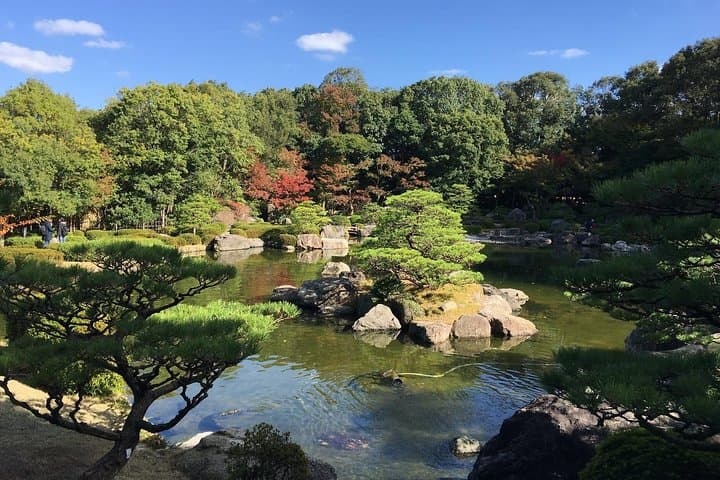
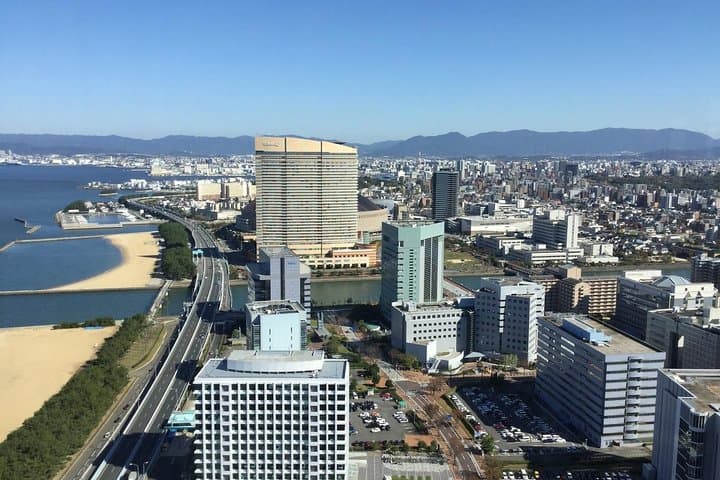
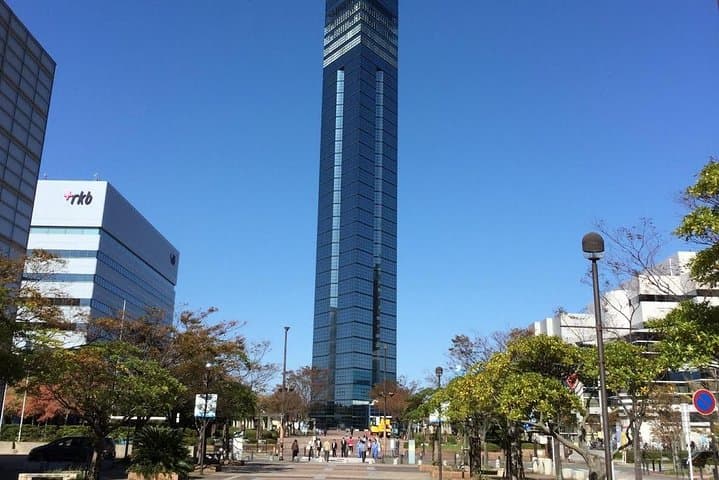
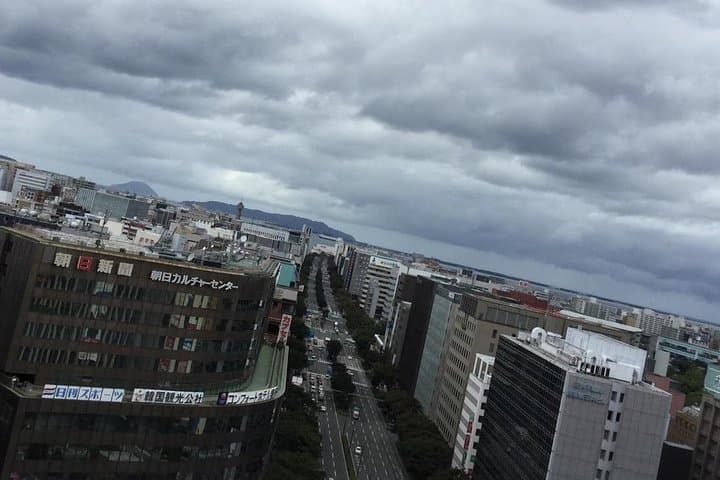
A morning in Fukuoka begins with a subway tile underfoot and the distant rumble of trains, an urban heartbeat that sets the pace for the day. Participants step off at a central station and move through a sequence of contrasts: the cool stone promenades of Ohori Park, the clipped lawns around Fukuoka Castle remnants, the bright chaos of a retro market, and the wind-swept boardwalk by the bay. The tour threads walking with short, efficient public-transit hops so each stop feels deliberate rather than rushed.
A morning in Fukuoka begins with a subway tile underfoot and the distant rumble of trains, an urban heartbeat that sets the pace for the day. Participants step off at a central station and move through a sequence of contrasts: the cool stone promenades of Ohori Park, the clipped lawns around Fukuoka Castle remnants, the bright chaos of a retro market, and the wind-swept boardwalk by the bay. The tour threads walking with short, efficient public-transit hops so each stop feels deliberate rather than rushed.
Fukuoka’s story is visible in its streets: Hakata merchants’ commercial energy, samurai-era walls that resisted 13th-century invasions, and Meiji-era modernization that opened the city to trade. Geology here is gentle — reclaimed coastline, low rolling terraces and parkland built around a former moat — which keeps walking distances mostly flat and accessible.
Culturally, the group moves between Shinto shrines that still issue blessings and markets selling regional flavors like Hakata ramen and fresh seafood. Ohori’s Japanese gardens and Maizuru Park offer quiet moments to change pace and try on a kimono for a hands-on cultural touch.
Practically, expect 7–8 hours of mixed walking and transit, moderate effort on paved surfaces, and small group logistics (up to 8 people) with hotel pickup available. The tour includes a sit-down or grab-and-go lunch and finishes at a transport hub with views of trains and the city skyline. Comfortable shoes, an IC card for extra transit segments, and a light daypack will keep the day moving smoothly.