THE ADVENTURE COLLECTIVE® · Independent discovery and booking for outdoor travel

Walk through sweeping rows of tea bushes with the farmers who tend them, then taste three varieties of Yamaguchi tea at the Ube Green Tea Center. This two-hour tour blends hands-on farming insight with a guided tasting and panoramic terrace views.
Walk through sweeping rows of tea bushes with the farmers who tend them, then taste three varieties of Yamaguchi tea at the Ube Green Tea Center. This two-hour tour blends hands-on farming insight with a guided tasting and panoramic terrace views.
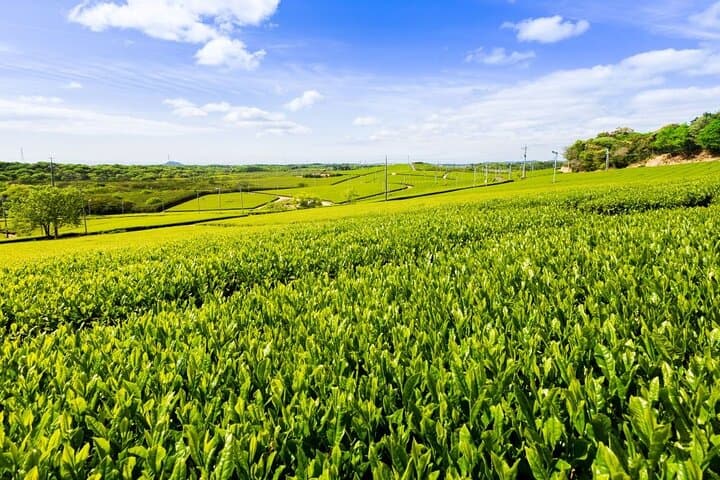
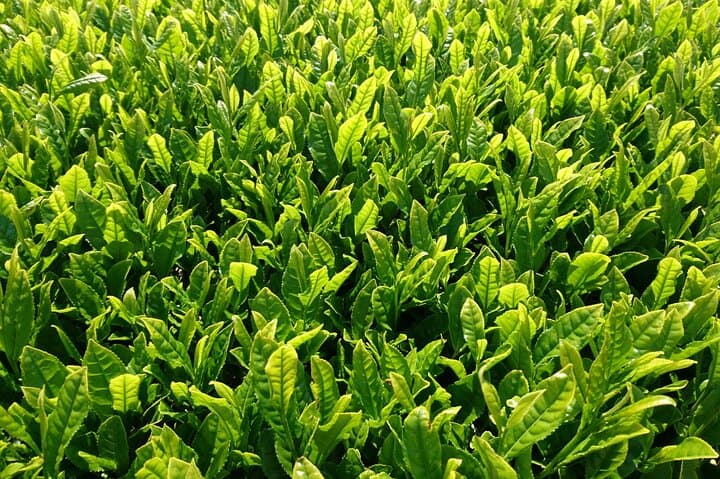
A narrow dirt track opens onto a sea of clipped tea bushes; wind moves in ridges and the horizon folds into distant hills. You step from the observation terrace into warm sunlight and the faint, clean aroma of freshly cut leaves — the farmers walk with you, pruning tools and stories in hand.
Verified experiences and guided adventures in the surrounding area.
Operated by Ube Convention & Tourism Bureau · Ube, Yamaguchi Prefecture
A narrow dirt track opens onto a sea of clipped tea bushes; wind moves in ridges and the horizon folds into distant hills. You step from the observation terrace into warm sunlight and the faint, clean aroma of freshly cut leaves — the farmers walk with you, pruning tools and stories in hand.
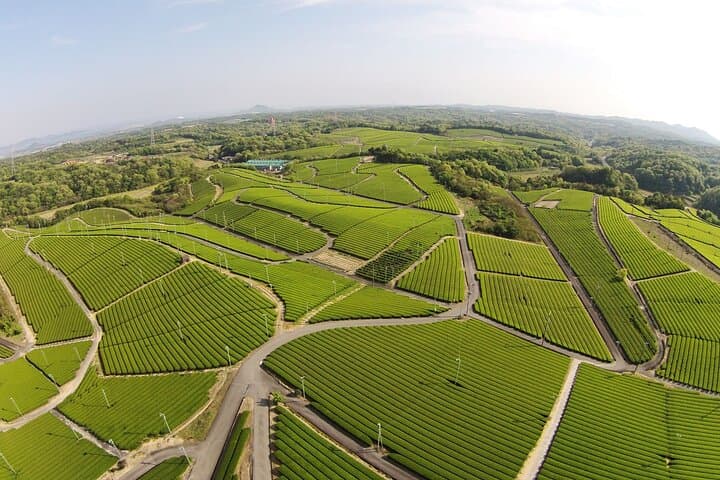
The Fujikawachi fields are part of Yamaguchi Prefecture’s long tea tradition: small family plots managed with techniques passed down through generations and adapted to modern markets. Geologically the slopes are well-drained and slightly acidic, ideal for Camellia sinensis; culturally, these terraces are working land rather than scenery, shaped by seasonal pruning, shading and the rhythm of harvest.
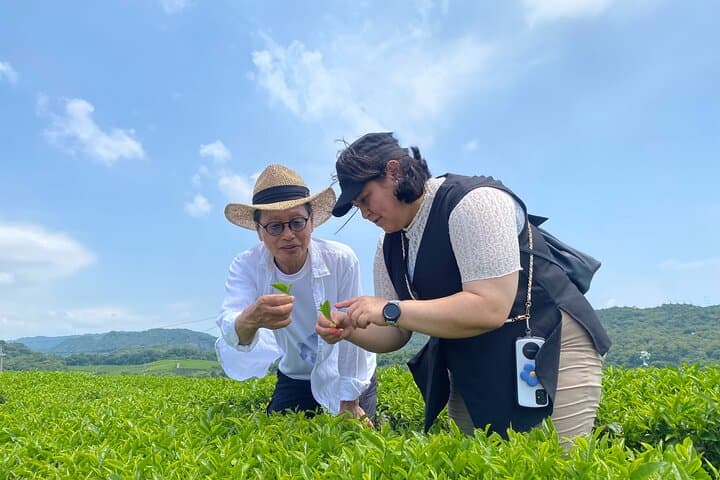
On this two-hour walk local growers explain planting density, pruning cycles and pest management, then the Ube Green Tea Center host brews three distinct Yamaguchi teas — a light first flush, a mid-season leaf, and a deeper-steamed variety — paired with local sweets. Expect practical lessons as much as spectacle: how soil and sun change flavor, why timing matters, and what small-scale tea farming looks like today.
Plan for uneven ground, variable weather and close-up access to farms — follow guides’ directions and leave boots mud-free. Morning light is best for photographs and cooler walking; late April through May shows the first harvest, while autumn offers clearer air and quieter paths. Bring sun protection, a light jacket and a curious palate — this walk is as much about technique as taste, and you’ll leave with a clearer sense of how Yamaguchi tea is grown, brewed and cared for.
moderate.
2 hours.
Should be comfortable walking on uneven, sloped terrain for up to two hours; basic stamina required.
The tour lasts about two hours total, including the field walk and tea tasting; expect roughly 45–75 minutes of walking depending on group pace.
Children can join the tasting but portions are small; infants must sit on a lap per the operator’s policy.
An English-speaking guide is provided as noted in the inclusions; local farmers may speak limited English but guides will translate technical points.
All sales are final for this specific product; the operator may cancel for bad weather but refunds are not issued for customer cancellations.
Tea cultivation in Yamaguchi has roots in regional trade and household consumption, with many small farms surviving by combining tradition and selective modernization.
Fields are managed for long-term productivity; visitors should stick to paths, avoid littering and respect farm biosecurity to limit pest spread.
Ube Convention & Tourism Bureau operates guided outdoor trips and adventures with an emphasis on safety, stewardship, and memorable experiences.
A narrow dirt track opens onto a sea of clipped tea bushes; wind moves in ridges and the horizon folds into distant hills. You step from the observation terrace into warm sunlight and the faint, clean aroma of freshly cut leaves — the farmers walk with you, pruning tools and stories in hand.
A narrow dirt track opens onto a sea of clipped tea bushes; wind moves in ridges and the horizon folds into distant hills. You step from the observation terrace into warm sunlight and the faint, clean aroma of freshly cut leaves — the farmers walk with you, pruning tools and stories in hand.
The Fujikawachi fields are part of Yamaguchi Prefecture’s long tea tradition: small family plots managed with techniques passed down through generations and adapted to modern markets. Geologically the slopes are well-drained and slightly acidic, ideal for Camellia sinensis; culturally, these terraces are working land rather than scenery, shaped by seasonal pruning, shading and the rhythm of harvest.
On this two-hour walk local growers explain planting density, pruning cycles and pest management, then the Ube Green Tea Center host brews three distinct Yamaguchi teas — a light first flush, a mid-season leaf, and a deeper-steamed variety — paired with local sweets. Expect practical lessons as much as spectacle: how soil and sun change flavor, why timing matters, and what small-scale tea farming looks like today.
Plan for uneven ground, variable weather and close-up access to farms — follow guides’ directions and leave boots mud-free. Morning light is best for photographs and cooler walking; late April through May shows the first harvest, while autumn offers clearer air and quieter paths. Bring sun protection, a light jacket and a curious palate — this walk is as much about technique as taste, and you’ll leave with a clearer sense of how Yamaguchi tea is grown, brewed and cared for.