THE ADVENTURE COLLECTIVE® · Independent discovery and booking for outdoor travel

Spend two hours walking under 300-year-old cedars on a guided trek through Nishiusuzuka’s Fuji Forest. This private, 4-hour experience includes transfers from Shin-Fuji Station and expert naturalist interpretation.
Spend two hours walking under 300-year-old cedars on a guided trek through Nishiusuzuka’s Fuji Forest. This private, 4-hour experience includes transfers from Shin-Fuji Station and expert naturalist interpretation.
Morning light filters through columns of cedar as the shuttle eases off the mountain road and deposits you at Nishiusuzuka’s trailhead. The next two hours are a study in contrast: dark trunks that feel centuries old, a shallow crater opening like a bowl of memory, and the occasional bird call ricocheting between trunks. The guide—an experienced naturalist—maps the route as easily as a photographer frames a shot, pointing out tree growth patterns and subtle signs of volcanic soil.
Verified experiences and guided adventures in the surrounding area.
Operated by Japan Guide Agency · Fujinomiya, Shizuoka
Morning light filters through columns of cedar as the shuttle eases off the mountain road and deposits you at Nishiusuzuka’s trailhead. The next two hours are a study in contrast: dark trunks that feel centuries old, a shallow crater opening like a bowl of memory, and the occasional bird call ricocheting between trunks. The guide—an experienced naturalist—maps the route as easily as a photographer frames a shot, pointing out tree growth patterns and subtle signs of volcanic soil.
Geology here is close to the surface. Mt. Fuji’s volcanic history has left gravelly, well-drained soils and an extinct crater near the trail; the forest grew up in the protection of those slopes. Culturally, Fujinomiya has long been a gateway for pilgrims and scientists alike, with local shrines honoring the mountain and a tradition of mountain stewardship that continues today.
Expect walking that is mostly gentle with intermittent short climbs, roots and volcanic gravel underfoot, and mossy sections where water lingers. The full experience includes private transfer from Shin-Fuji Station, a 2-hour guided forest trek, and the return drive—about four hours total door-to-door.
Practically: wear sturdy walking shoes, layer for quick temperature changes under the canopy, and carry water and a light pack. The guide will interpret flora, fauna, and volcanic features while maintaining a measured pace suitable for most fitness levels. Weather can turn abruptly on Fuji’s slopes, so plan for wind and a brisk shade even in summer. This is an accessible, intimate way to encounter Mount Fuji’s quieter side.
easy.
4 hours.
Suitable for most people who can walk 2 hours over uneven ground at a steady pace; not recommended for those with serious back or heart issues.
The guided nature walk on the Fuji Forest Trail is approximately 2 hours; the full activity including transfers is about 4 hours.
Transfers are provided between JR Shin-Fuji Station and the Nishiusuzuka meeting point; pick-up details are confirmed at booking.
Yes—infants can join but must sit on an adult’s lap; the pace is gentle but parents should ensure children can manage uneven terrain.
The tour operator may cancel for safety in poor conditions; full refunds are typically available if cancellation occurs at least 24 hours prior.
The Fujinomiya side of Mount Fuji has long been part of pilgrimage routes and scientific study; many trails run through forests that regenerated after historical eruptions.
Trails are managed to limit erosion on volcanic soils—stick to paths, pack out trash, and follow your guide’s directions to protect fragile understory and cultural sites.
Japan Guide Agency operates guided outdoor trips and adventures with an emphasis on safety, stewardship, and memorable experiences.
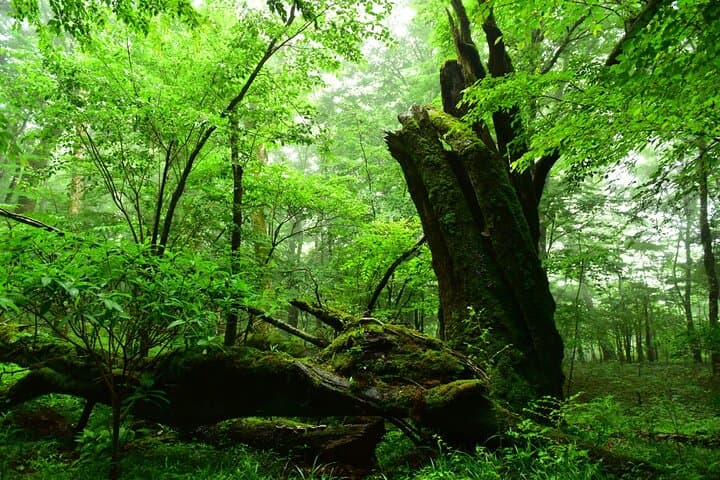
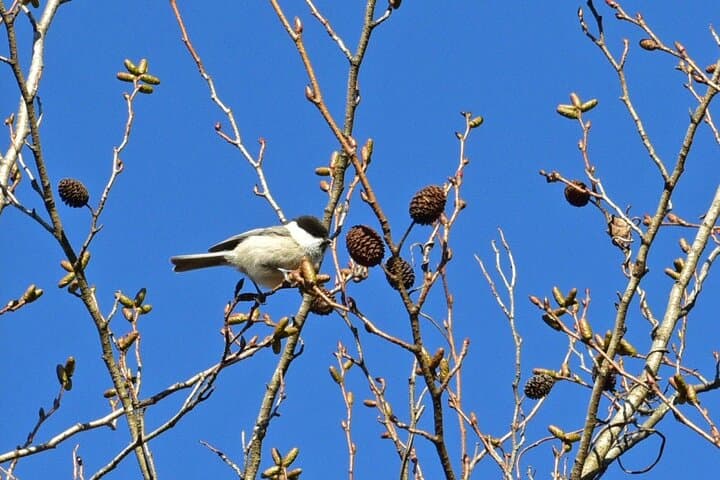
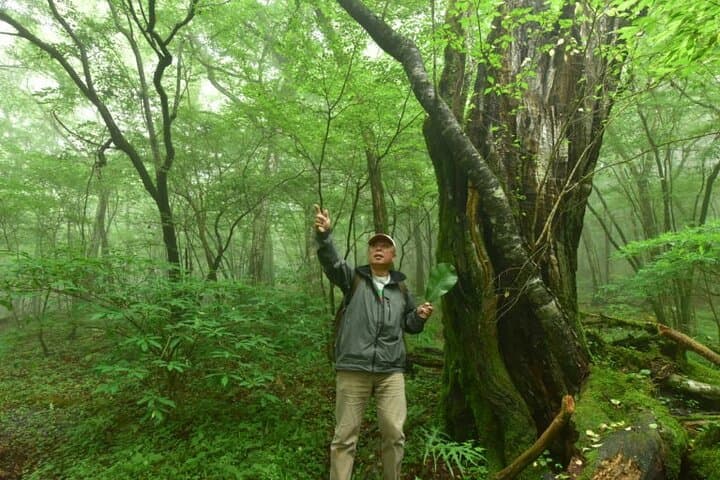
Morning light filters through columns of cedar as the shuttle eases off the mountain road and deposits you at Nishiusuzuka’s trailhead. The next two hours are a study in contrast: dark trunks that feel centuries old, a shallow crater opening like a bowl of memory, and the occasional bird call ricocheting between trunks. The guide—an experienced naturalist—maps the route as easily as a photographer frames a shot, pointing out tree growth patterns and subtle signs of volcanic soil.
Morning light filters through columns of cedar as the shuttle eases off the mountain road and deposits you at Nishiusuzuka’s trailhead. The next two hours are a study in contrast: dark trunks that feel centuries old, a shallow crater opening like a bowl of memory, and the occasional bird call ricocheting between trunks. The guide—an experienced naturalist—maps the route as easily as a photographer frames a shot, pointing out tree growth patterns and subtle signs of volcanic soil.
Geology here is close to the surface. Mt. Fuji’s volcanic history has left gravelly, well-drained soils and an extinct crater near the trail; the forest grew up in the protection of those slopes. Culturally, Fujinomiya has long been a gateway for pilgrims and scientists alike, with local shrines honoring the mountain and a tradition of mountain stewardship that continues today.
Expect walking that is mostly gentle with intermittent short climbs, roots and volcanic gravel underfoot, and mossy sections where water lingers. The full experience includes private transfer from Shin-Fuji Station, a 2-hour guided forest trek, and the return drive—about four hours total door-to-door.
Practically: wear sturdy walking shoes, layer for quick temperature changes under the canopy, and carry water and a light pack. The guide will interpret flora, fauna, and volcanic features while maintaining a measured pace suitable for most fitness levels. Weather can turn abruptly on Fuji’s slopes, so plan for wind and a brisk shade even in summer. This is an accessible, intimate way to encounter Mount Fuji’s quieter side.