THE ADVENTURE COLLECTIVE® · Independent discovery and booking for outdoor travel

Spend a day circumnavigating the lakes that frame Mount Fuji: Kawaguchi’s panoramas, Yamanaka’s swans, Saiko’s thatched village and the quiet shores of Shoji and Motosu. This guided trip blends geology, culture and prime photo stops with comfortable transport.
Spend a day circumnavigating the lakes that frame Mount Fuji: Kawaguchi’s panoramas, Yamanaka’s swans, Saiko’s thatched village and the quiet shores of Shoji and Motosu. This guided trip blends geology, culture and prime photo stops with comfortable transport.
You step down from an air‑conditioned van into a cool ring of water and pine: Lake Kawaguchi’s shore, where Mount Fuji rises and tests the sky. Light slides across glassy lake surfaces; swans cut slow ripples; a ropeway hums above, offering a sudden, elevated strike of the mountain’s symmetry.
Verified experiences and guided adventures in the surrounding area.
Operated by Milkyway Tours · Fujikawaguchiko, Yamanashi
You step down from an air‑conditioned van into a cool ring of water and pine: Lake Kawaguchi’s shore, where Mount Fuji rises and tests the sky. Light slides across glassy lake surfaces; swans cut slow ripples; a ropeway hums above, offering a sudden, elevated strike of the mountain’s symmetry.
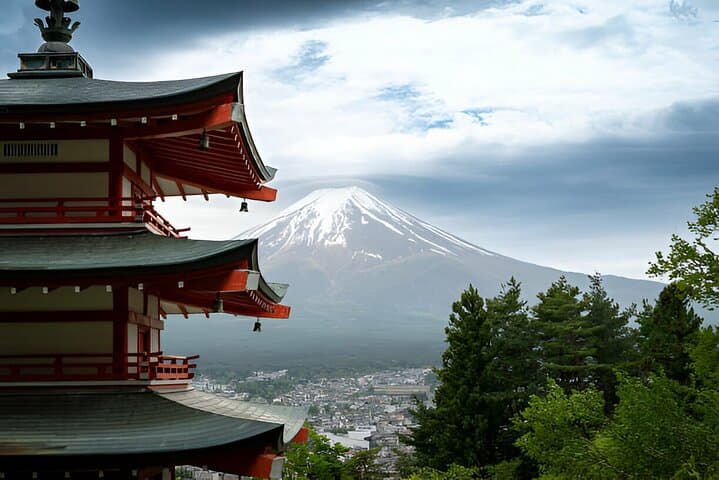
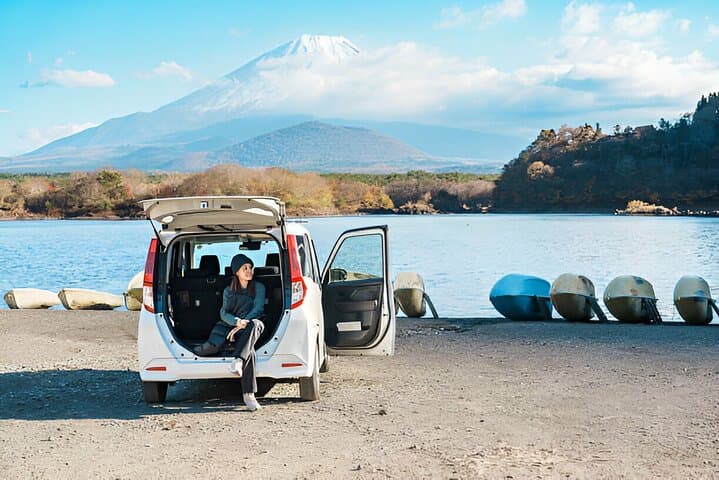
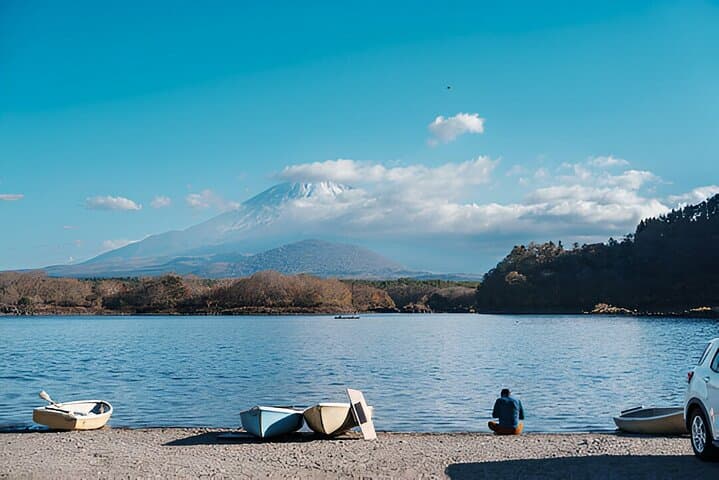
The five lakes are the aftermath of Fuji’s eruptions and later lava flows, each basin collecting its own weather and personality. Kawaguchi is the scenic showstopper; Yamanaka hosts swans and open water; Saiko keeps quieter forests and traditional thatched houses at Iyashi no Sato; Shoji is intimate and still; Motosu’s clear depths are the image on older banknotes. The region blends volcanic geology with Edo‑era pilgrimage routes and modern tourist infrastructure—art museums and ropeways sit beside lava caves and fishing piers.
On a guided day trip you’ll move deliberately: photo stops for mirrored reflections, a walk through Iyashi no Sato’s thatched roofs, a peek into a lava cave, and short shore-side strolls that reveal different faces of Fuji.
Practical guide: aim for early morning or late afternoon for the best reflections and softer light. Layers are essential—winds off the lakes can be sharp even in summer. Bring cash for small vendors, a camera with a polarizer for reflections, and a lightweight daypack for water and snacks. The itinerary is wheelchair and family friendly, but surfaces around natural spots can be uneven. Respect closed signs at lava caves and keep distance from wildlife—this landscape rewards patience and small adjustments more than speed.
easy.
6 hours.
Suitable for most fitness levels; involves short walks and standing at viewpoints
Mount Fuji is visible on clear days; visibility depends on weather—early morning and late afternoon increase chances of unobstructed views.
Yes; transport and many lakeside areas are accessible, though some natural shorelines and lava caves have uneven surfaces.
Meals are not typically included, but the itinerary includes stops near cafés, market stalls, and Iyashi no Sato where you can buy lunch and snacks.
Swimming is limited; several lakes offer canoe or paddleboat rentals seasonally—ask the guide about current options and safety rules.
The Five Lakes formed from lava and ash from past Mount Fuji eruptions; the area grew as a pilgrimage and post‑road region and later as an artistic subject in ukiyo-e and modern tourism.
Visitor pressure can erode shorelines and disturb birds—stay on marked paths, pack out waste, and follow local rules for boating and fishing.
Milkyway Tours operates guided outdoor trips and adventures with an emphasis on safety, stewardship, and memorable experiences.
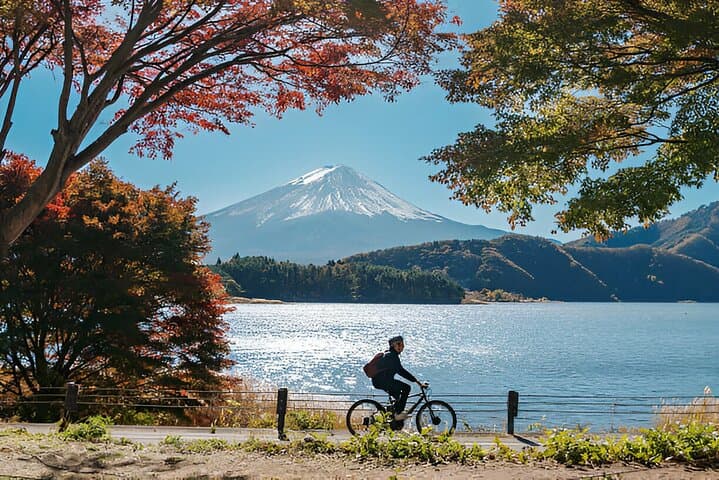
You step down from an air‑conditioned van into a cool ring of water and pine: Lake Kawaguchi’s shore, where Mount Fuji rises and tests the sky. Light slides across glassy lake surfaces; swans cut slow ripples; a ropeway hums above, offering a sudden, elevated strike of the mountain’s symmetry.
You step down from an air‑conditioned van into a cool ring of water and pine: Lake Kawaguchi’s shore, where Mount Fuji rises and tests the sky. Light slides across glassy lake surfaces; swans cut slow ripples; a ropeway hums above, offering a sudden, elevated strike of the mountain’s symmetry.
The five lakes are the aftermath of Fuji’s eruptions and later lava flows, each basin collecting its own weather and personality. Kawaguchi is the scenic showstopper; Yamanaka hosts swans and open water; Saiko keeps quieter forests and traditional thatched houses at Iyashi no Sato; Shoji is intimate and still; Motosu’s clear depths are the image on older banknotes. The region blends volcanic geology with Edo‑era pilgrimage routes and modern tourist infrastructure—art museums and ropeways sit beside lava caves and fishing piers.
On a guided day trip you’ll move deliberately: photo stops for mirrored reflections, a walk through Iyashi no Sato’s thatched roofs, a peek into a lava cave, and short shore-side strolls that reveal different faces of Fuji.
Practical guide: aim for early morning or late afternoon for the best reflections and softer light. Layers are essential—winds off the lakes can be sharp even in summer. Bring cash for small vendors, a camera with a polarizer for reflections, and a lightweight daypack for water and snacks. The itinerary is wheelchair and family friendly, but surfaces around natural spots can be uneven. Respect closed signs at lava caves and keep distance from wildlife—this landscape rewards patience and small adjustments more than speed.