THE ADVENTURE COLLECTIVE® · Independent discovery and booking for outdoor travel

Escape the crowds and walk beneath cedars toward a panoramic view of Mt. Fuji at Lake Motosuko. This guided forest-bathing hike combines slow sensory practices with a moderate mountain walk and a locally sourced bento.
Escape the crowds and walk beneath cedars toward a panoramic view of Mt. Fuji at Lake Motosuko. This guided forest-bathing hike combines slow sensory practices with a moderate mountain walk and a locally sourced bento.
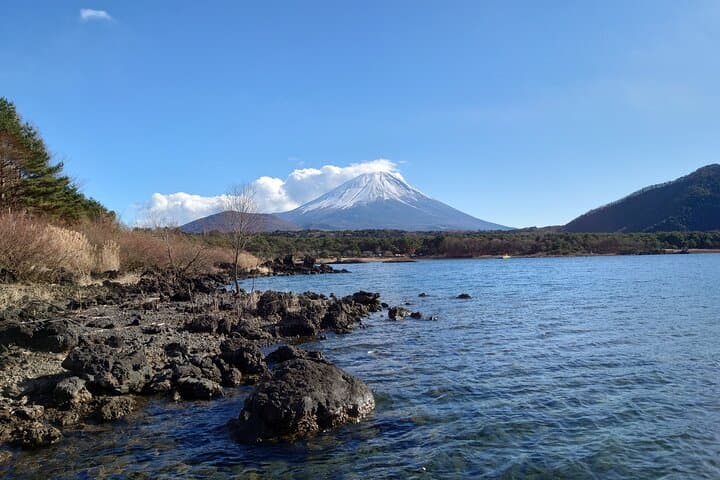
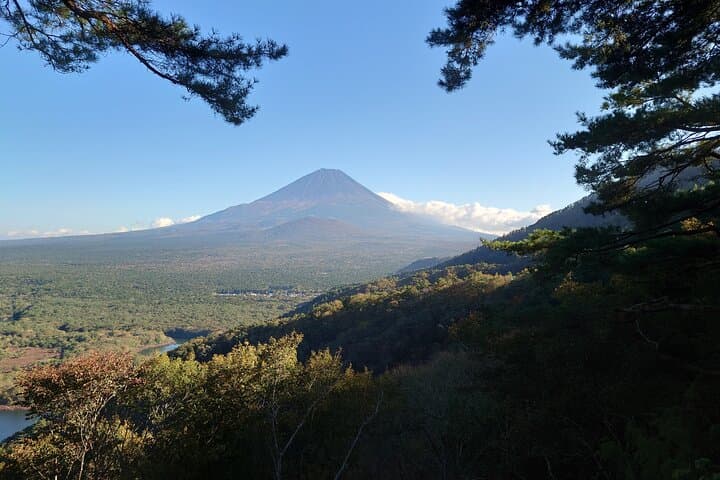
A thin veil of mist lifts off Lake Motosuko as you follow a quiet track into pines and cedar; the trees nudge you onward, their needles whispering toward an opening where Mt. Fuji waits. The day begins at Kawaguchiko Station—meet by the retired rail car—then a short drive carries the group to Motosuko's shore before the path climbs into woods designed for slow senses.
Verified experiences and guided adventures in the surrounding area.
Operated by Great Outdoors Japan · Fujikawaguchiko, Yamanashi Prefecture
A thin veil of mist lifts off Lake Motosuko as you follow a quiet track into pines and cedar; the trees nudge you onward, their needles whispering toward an opening where Mt. Fuji waits. The day begins at Kawaguchiko Station—meet by the retired rail car—then a short drive carries the group to Motosuko's shore before the path climbs into woods designed for slow senses.
The route threads volcanic soils and lavas spilled from Mount Fuji’s past eruptions, a landscape cut and held by ancient flows that also dammed the Fuji Five Lakes. Forest bathing, or shinrin-yoku, borrows from Japan’s long tradition of nature as therapy: slow breathing, attentive sightlines, and small, guided practices that anchor you to the present.
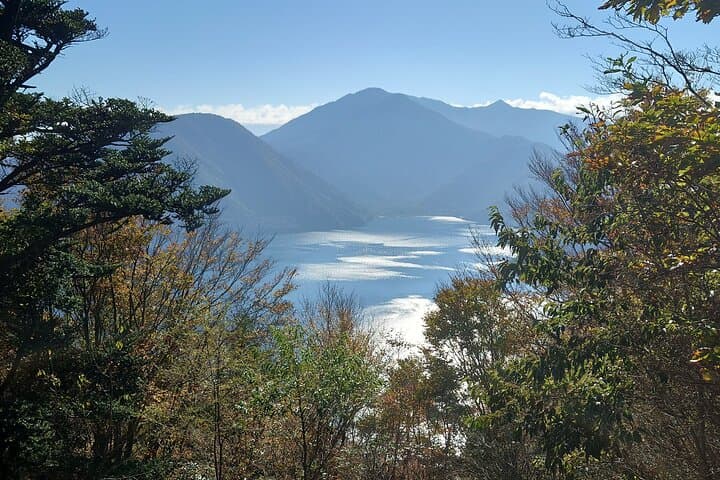
Culturally, the area blends local farming life with pilgrimage history; roadside stations sell regional bento and prefecture-dried tea—often included on this tour—while villagers maintain trails used for generations. Geology shows in the steep terraces and the clear, cold water of Motosuko, one of the deeper, less developed lakes with wide views of Fuji on clear days.
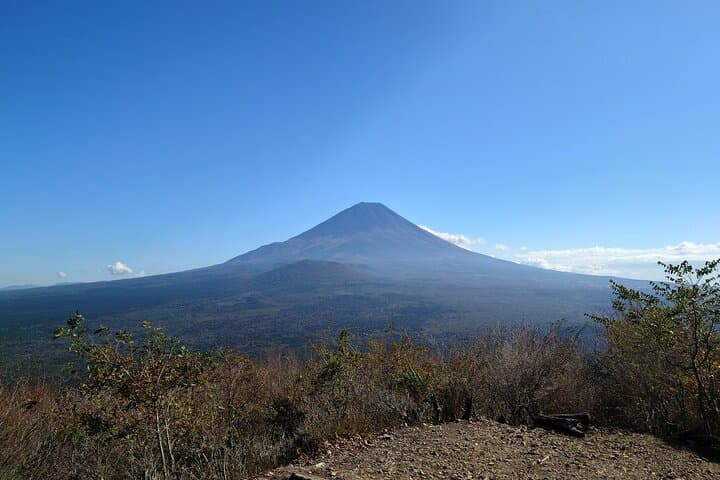
Practically, expect a 5–7 hour outing with moderate walking on dirt tracks and short steeper pitches to Panorama-dai. The guide offers rest at Eboshi viewpoint and time at a local roadside station if schedule allows. Wear grippy shoes, layered clothing for rapidly shifting mountain weather, and bring water and sun protection. Tours can be canceled for poor weather; plan extra time around transport to/from Kawaguchiko Station. This is an experience that calms, sharpens, and leaves a clear memory of Fuji and the forest that guards it.
moderate.
5–7 hours.
Good steady cardio and comfortable with multiple hours of walking on uneven terrain; able to handle short steep sections.
Forest bathing is a guided practice of slowing down in nature to engage the senses—breathing exercises, mindful walking, and focused observation led by a facilitator.
Expect moderate exertion: a mix of flat lakeshore walking and steeper forest tracks with short climbs; participants should have a moderate fitness level.
The tour includes transport to/from Kawaguchiko Station, a locally sourced bento lunch, tea from the prefecture, and a tarp for wet days when needed.
Tours are canceled for poor weather for safety; the operator enforces an all-sales-final policy, so check conditions and schedule accordingly.
The Fuji Five Lakes were shaped by Mount Fuji’s eruptions and subsequent lava-dammed basins; the lakes have supported local farming and pilgrimage routes for centuries.
Trails are managed to minimize erosion; guides emphasize low-impact practices—stay on marked paths, pack out waste, and respect quiet zones for wildlife.
Great Outdoors Japan operates guided outdoor trips and adventures with an emphasis on safety, stewardship, and memorable experiences.
A thin veil of mist lifts off Lake Motosuko as you follow a quiet track into pines and cedar; the trees nudge you onward, their needles whispering toward an opening where Mt. Fuji waits. The day begins at Kawaguchiko Station—meet by the retired rail car—then a short drive carries the group to Motosuko's shore before the path climbs into woods designed for slow senses.
A thin veil of mist lifts off Lake Motosuko as you follow a quiet track into pines and cedar; the trees nudge you onward, their needles whispering toward an opening where Mt. Fuji waits. The day begins at Kawaguchiko Station—meet by the retired rail car—then a short drive carries the group to Motosuko's shore before the path climbs into woods designed for slow senses.
The route threads volcanic soils and lavas spilled from Mount Fuji’s past eruptions, a landscape cut and held by ancient flows that also dammed the Fuji Five Lakes. Forest bathing, or shinrin-yoku, borrows from Japan’s long tradition of nature as therapy: slow breathing, attentive sightlines, and small, guided practices that anchor you to the present.
Culturally, the area blends local farming life with pilgrimage history; roadside stations sell regional bento and prefecture-dried tea—often included on this tour—while villagers maintain trails used for generations. Geology shows in the steep terraces and the clear, cold water of Motosuko, one of the deeper, less developed lakes with wide views of Fuji on clear days.
Practically, expect a 5–7 hour outing with moderate walking on dirt tracks and short steeper pitches to Panorama-dai. The guide offers rest at Eboshi viewpoint and time at a local roadside station if schedule allows. Wear grippy shoes, layered clothing for rapidly shifting mountain weather, and bring water and sun protection. Tours can be canceled for poor weather; plan extra time around transport to/from Kawaguchiko Station. This is an experience that calms, sharpens, and leaves a clear memory of Fuji and the forest that guards it.