THE ADVENTURE COLLECTIVE® · Independent discovery and booking for outdoor travel

Trade Dubai’s skyscrapers for the stony Hajar ridges, sleepy fishing ports and the oldest mosque in the UAE on a private day trip to Fujairah. Expect cultural forts, a coastal swim and a lively market stop—packed into an eight-hour, guide-led itinerary.
Trade Dubai’s skyscrapers for the stony Hajar ridges, sleepy fishing ports and the oldest mosque in the UAE on a private day trip to Fujairah. Expect cultural forts, a coastal swim and a lively market stop—packed into an eight-hour, guide-led itinerary.
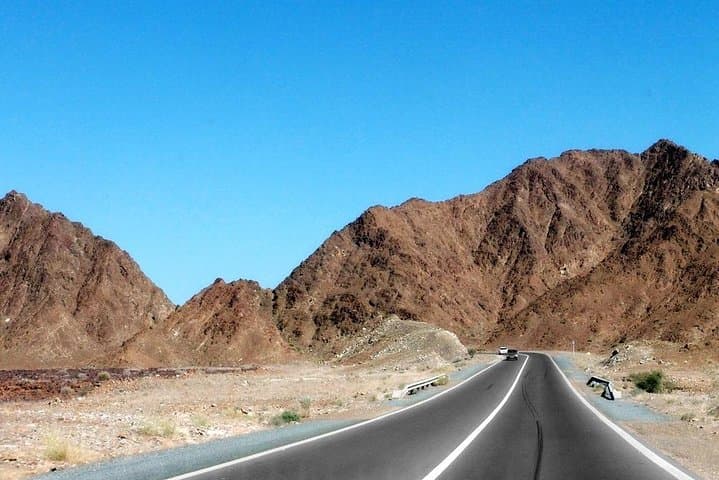
A wind off the Gulf of Oman cools the coach as the Hajar range slides into view—raw, folded limestone that rises abruptly from date palm plains. You’ll leave Dubai’s glass skyline for a different pace: small ports, timeworn stone forts, and mosque courtyards where the call to prayer threads through sea air.
Verified experiences and guided adventures in the surrounding area.
Operated by ORIENT TOURS LLC SOLE PROPRIETORSHIP · Fujairah, Fujairah
A wind off the Gulf of Oman cools the coach as the Hajar range slides into view—raw, folded limestone that rises abruptly from date palm plains. You’ll leave Dubai’s glass skyline for a different pace: small ports, timeworn stone forts, and mosque courtyards where the call to prayer threads through sea air.
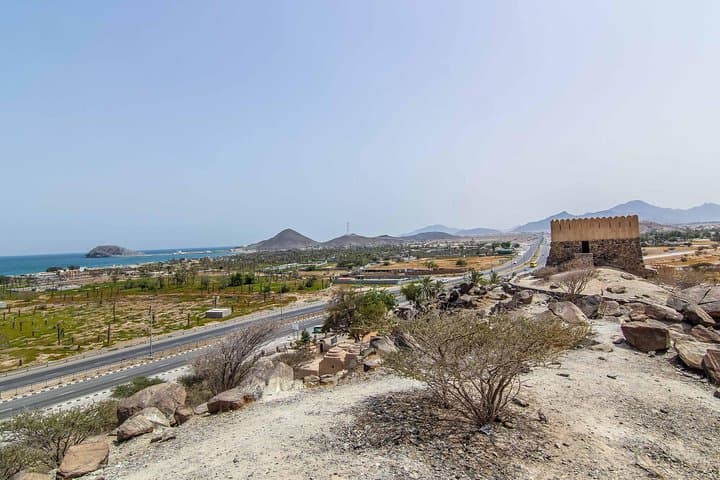
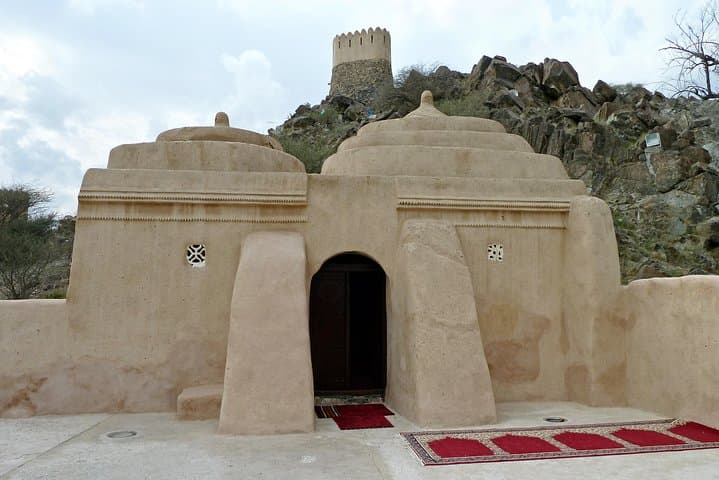
The route follows agricultural Al Dhaid and the Masafi market, a long-running trading point for farmers and mountain craftsmen. Geologically the Hajar Mountains are some of the oldest uplifted ranges in the region; their jagged ridges and wadis carve pockets of green where groundwater feeds farms and the Bithnah oasis. Cultural stops include Al Badiyah Mosque, the oldest surviving mosque in the UAE with simple stone construction, and Fujairah Fort, recently renovated and strategically perched above the city.
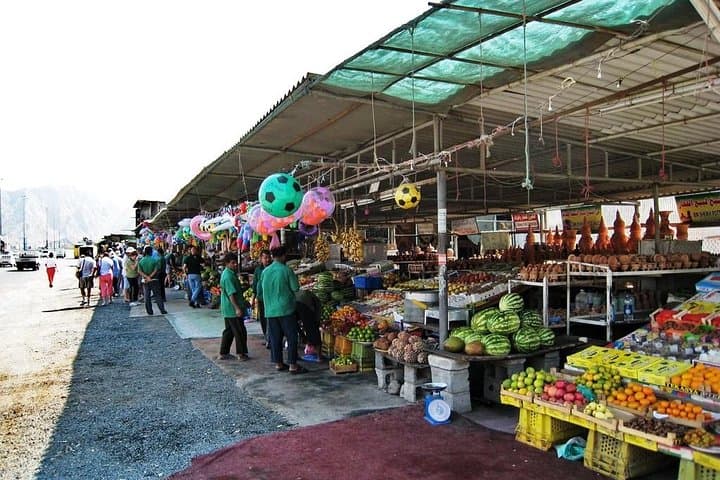
Expect layers of experience: a browsing stop at Masafi’s Friday market for pottery and frankincense, a walk through Dibba Al-Hisn’s small fishing port, a relaxed lunch at a beach resort and a swim in the warm Gulf waters. Guides often point out the interplay between coastal livelihoods and mountain agriculture—fishermen, date growers and market traders share this corridor.
Plan pragmatically: full-day timing means sun protection, hydration and comfortable walking shoes for uneven surfaces. Bring swimwear and a quick-dry towel if you want to take a dip. If visiting in summer, schedule early departures and accept slower midday activity; winter evenings may need a light jacket. The trip is low-impact but respect protected sites, avoid touching archaeological fabric and leave no trace on beaches and mountain trails.
easy.
8 hours.
Suitable for most fitness levels; involves short walks on uneven ground, market browsing and optional swimming
Yes—private pickup and drop-off by air-conditioned vehicle from Dubai hotels is included; you’ll confirm your pickup point when booking.
Yes—there is time allocated for a swim at a beach resort on the Gulf of Oman; bring swimwear and check local safety guidance before entering the water.
Lunch and coach transport are included, but certain attraction entrance fees or optional activities may require additional payment—confirm with your guide prior to the visit.
Lightweight, modest clothing is recommended—cover shoulders and knees when visiting mosques and sensitive historical sites.
Al Badiyah Mosque dates to the 15th century or earlier and is a rare surviving example of vernacular stone mosque architecture; Fujairah Fort guarded trade routes along the east coast for centuries.
Coastal and mountain habitats here are sensitive—avoid disturbing nesting areas, dispose of waste properly, and support local vendors to help sustain traditional livelihoods.
ORIENT TOURS LLC SOLE PROPRIETORSHIP operates guided outdoor trips and adventures with an emphasis on safety, stewardship, and memorable experiences.
A wind off the Gulf of Oman cools the coach as the Hajar range slides into view—raw, folded limestone that rises abruptly from date palm plains. You’ll leave Dubai’s glass skyline for a different pace: small ports, timeworn stone forts, and mosque courtyards where the call to prayer threads through sea air.
A wind off the Gulf of Oman cools the coach as the Hajar range slides into view—raw, folded limestone that rises abruptly from date palm plains. You’ll leave Dubai’s glass skyline for a different pace: small ports, timeworn stone forts, and mosque courtyards where the call to prayer threads through sea air.
The route follows agricultural Al Dhaid and the Masafi market, a long-running trading point for farmers and mountain craftsmen. Geologically the Hajar Mountains are some of the oldest uplifted ranges in the region; their jagged ridges and wadis carve pockets of green where groundwater feeds farms and the Bithnah oasis. Cultural stops include Al Badiyah Mosque, the oldest surviving mosque in the UAE with simple stone construction, and Fujairah Fort, recently renovated and strategically perched above the city.
Expect layers of experience: a browsing stop at Masafi’s Friday market for pottery and frankincense, a walk through Dibba Al-Hisn’s small fishing port, a relaxed lunch at a beach resort and a swim in the warm Gulf waters. Guides often point out the interplay between coastal livelihoods and mountain agriculture—fishermen, date growers and market traders share this corridor.
Plan pragmatically: full-day timing means sun protection, hydration and comfortable walking shoes for uneven surfaces. Bring swimwear and a quick-dry towel if you want to take a dip. If visiting in summer, schedule early departures and accept slower midday activity; winter evenings may need a light jacket. The trip is low-impact but respect protected sites, avoid touching archaeological fabric and leave no trace on beaches and mountain trails.