THE ADVENTURE COLLECTIVE® · Independent discovery and booking for outdoor travel

Spend a full day on the UAE’s east coast visiting the Sheikh Zayed Grand Mosque, Fujairah Fort, Al-Bidya Mosque and Khorfakkan Beach. This scenic cultural tour pairs mountain drives through the Hajar range with short walks, museum stops and coastal viewpoints.
Spend a full day on the UAE’s east coast visiting the Sheikh Zayed Grand Mosque, Fujairah Fort, Al-Bidya Mosque and Khorfakkan Beach. This scenic cultural tour pairs mountain drives through the Hajar range with short walks, museum stops and coastal viewpoints.
A morning drive east from Dubai drops the coast into a different rhythm: the Gulf of Oman’s blue presses against a rugged Hajar foothill, and the air—salted, warm—carries the calls of fishing boats and market vendors. The day begins at the Sheikh Zayed Grand Mosque in Fujairah, its white domes and minarets cutting a clean line against the mountains, then moves through fort walls, coral-sprinkled beaches and a compact archaeology museum.
Verified experiences and guided adventures in the surrounding area.
Operated by RAH Tourism Dubai · Fujairah, Fujairah
A morning drive east from Dubai drops the coast into a different rhythm: the Gulf of Oman’s blue presses against a rugged Hajar foothill, and the air—salted, warm—carries the calls of fishing boats and market vendors. The day begins at the Sheikh Zayed Grand Mosque in Fujairah, its white domes and minarets cutting a clean line against the mountains, then moves through fort walls, coral-sprinkled beaches and a compact archaeology museum.
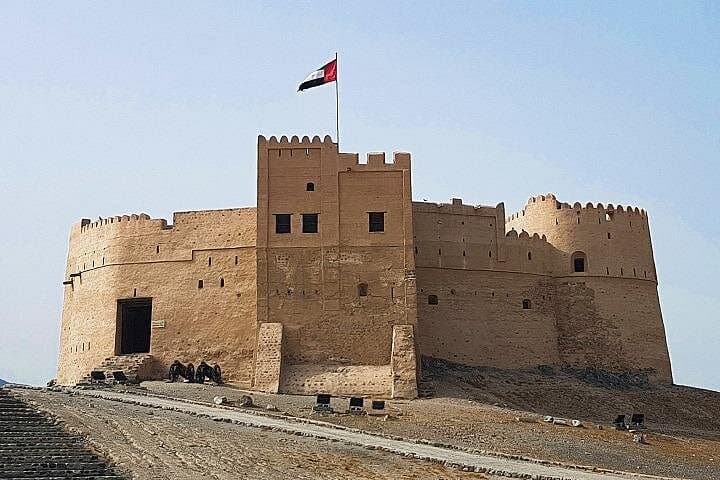
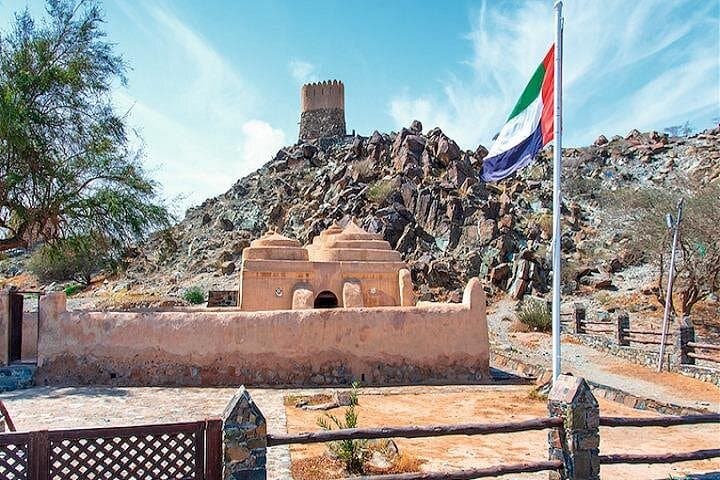
Fujairah’s story reads in stone and sand. The Hajar Mountains are geologically old and folded, their escarpments steering seasonal wadis that supported settlements for centuries. Al-Bidya Mosque (15th century) and Fujairah Fort (16th century) reveal defensive and religious life before modern oil wealth reshaped the Gulf. Khorfakkan’s reef and the city’s Friday Market speak to a coastal trading culture still alive today.
Practical guidance matters on a full-day coastal tour. Expect an 8-hour itinerary with multiple short stops—bring a refillable water bottle, light modest layers for mosque visits and sturdy shoes for the fort’s uneven stone. Summers are hot and humid on the east coast; mornings and late afternoons make for better photos and easier walking. Pack reef-safe sunscreen if you plan to dip at Khorfakkan; coral is fragile and often close to shore.
The tour suits travelers who want culturally focused sightseeing with coastal scenery and short walks rather than long hikes. Photographers should plan wide-angle shots at the mosque and close-ups of coral at low tide; market browsing rewards small change and patience.
easy.
8 hours.
Suitable for all fitness levels; involves short walks and some uneven ground at historical sites
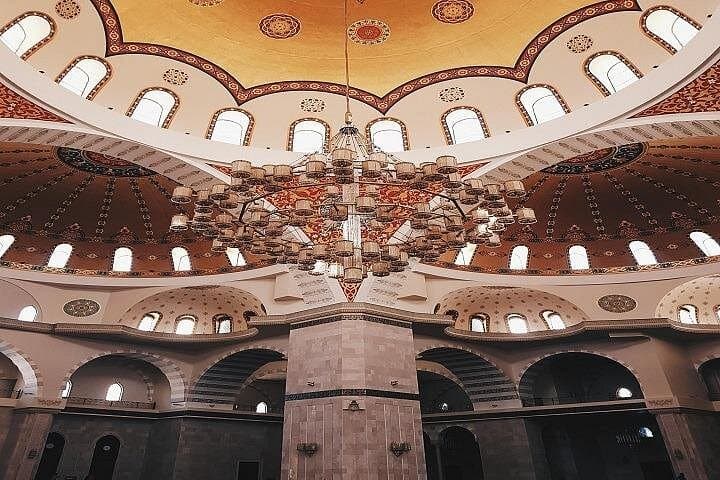
The tour includes a visit to the mosque, but entry and access can depend on prayer times and security; visitors must follow the mosque’s dress code and behavior rules.
The tour runs about 8 hours with multiple stops of 10–60 minutes—expect a mix of short walks, driving between sites and museum visits.
Yes—pick-up and drop-off from hotels or residences in the service area are included in the tour price.
Stops at Khorfakkan are usually brief and focused on viewpoints and the beach; organized snorkeling is rarely part of the standard itinerary—check with the operator if you want to extend beach time.
Fujairah Fort dates to the 16th century and played a defensive role in the Gulf; Al-Bidya Mosque (c.1446) is the oldest known mosque structure in the UAE.
The east coast supports coral reef pockets and protected wadis; visitors should avoid touching coral, use reef-safe sunscreen, and follow guidelines in protected areas like Wadi Wurayah.
RAH Tourism Dubai operates guided outdoor trips and adventures with an emphasis on safety, stewardship, and memorable experiences.
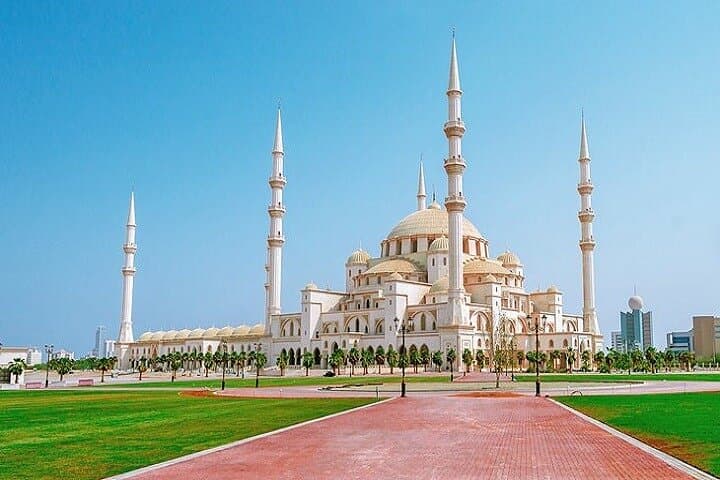
A morning drive east from Dubai drops the coast into a different rhythm: the Gulf of Oman’s blue presses against a rugged Hajar foothill, and the air—salted, warm—carries the calls of fishing boats and market vendors. The day begins at the Sheikh Zayed Grand Mosque in Fujairah, its white domes and minarets cutting a clean line against the mountains, then moves through fort walls, coral-sprinkled beaches and a compact archaeology museum.
A morning drive east from Dubai drops the coast into a different rhythm: the Gulf of Oman’s blue presses against a rugged Hajar foothill, and the air—salted, warm—carries the calls of fishing boats and market vendors. The day begins at the Sheikh Zayed Grand Mosque in Fujairah, its white domes and minarets cutting a clean line against the mountains, then moves through fort walls, coral-sprinkled beaches and a compact archaeology museum.
Fujairah’s story reads in stone and sand. The Hajar Mountains are geologically old and folded, their escarpments steering seasonal wadis that supported settlements for centuries. Al-Bidya Mosque (15th century) and Fujairah Fort (16th century) reveal defensive and religious life before modern oil wealth reshaped the Gulf. Khorfakkan’s reef and the city’s Friday Market speak to a coastal trading culture still alive today.
Practical guidance matters on a full-day coastal tour. Expect an 8-hour itinerary with multiple short stops—bring a refillable water bottle, light modest layers for mosque visits and sturdy shoes for the fort’s uneven stone. Summers are hot and humid on the east coast; mornings and late afternoons make for better photos and easier walking. Pack reef-safe sunscreen if you plan to dip at Khorfakkan; coral is fragile and often close to shore.
The tour suits travelers who want culturally focused sightseeing with coastal scenery and short walks rather than long hikes. Photographers should plan wide-angle shots at the mosque and close-ups of coral at low tide; market browsing rewards small change and patience.