THE ADVENTURE COLLECTIVE® · Independent discovery and booking for outdoor travel

Board a super jeep at Jökulsárlón and step into an ever-changing ice cave on Vatnajökull. This small-group tour pairs short glacier walks with expert-guided access to bright blue tunnels and photographic light.
Board a super jeep at Jökulsárlón and step into an ever-changing ice cave on Vatnajökull. This small-group tour pairs short glacier walks with expert-guided access to bright blue tunnels and photographic light.
A low, cobalt sky hangs over the glacier lagoon as a super jeep bumps onto the country road that leads from the Ring Road to the edge of Vatnajökull.
Verified experiences and guided adventures in the surrounding area.
Operated by Ice Cave In Iceland · Jökulsárlón, Austurland
A low, cobalt sky hangs over the glacier lagoon as a super jeep bumps onto the country road that leads from the Ring Road to the edge of Vatnajökull.
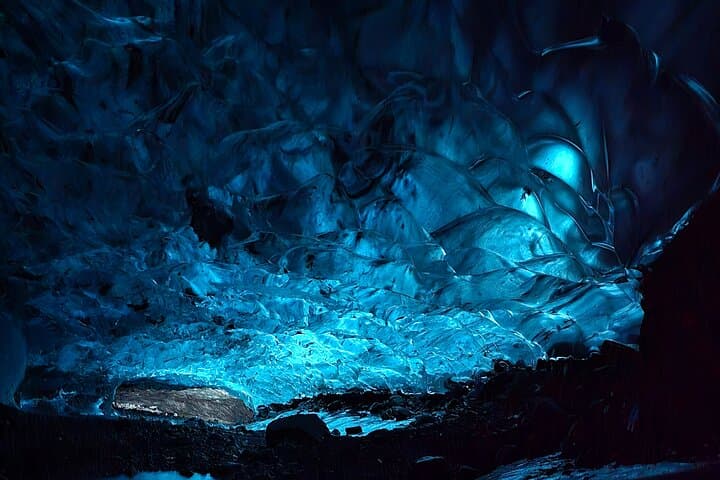
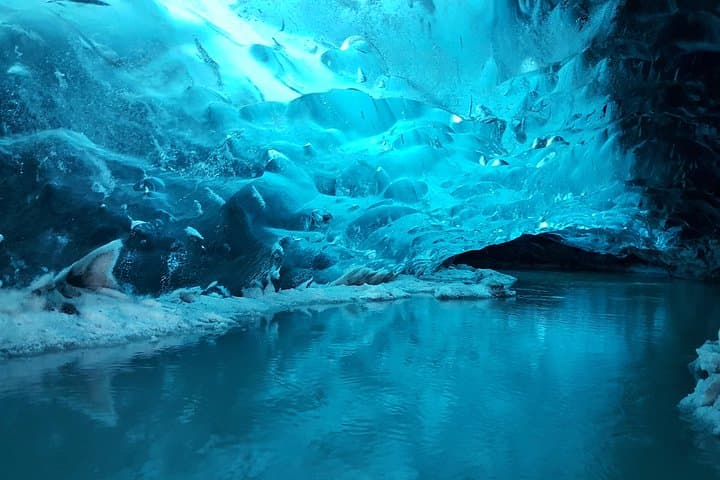
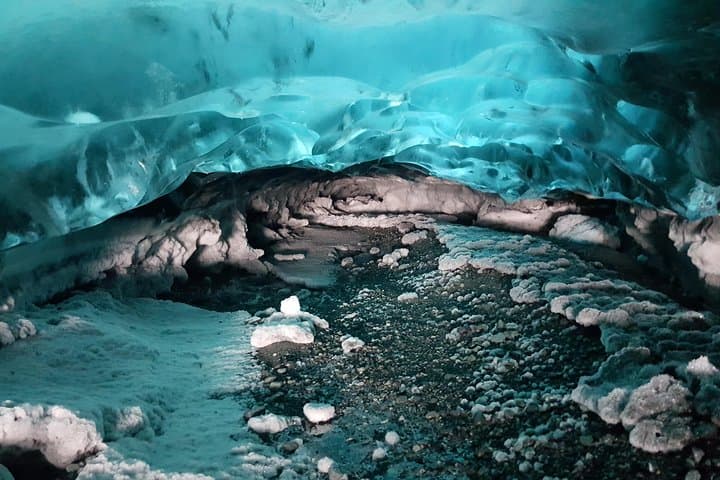
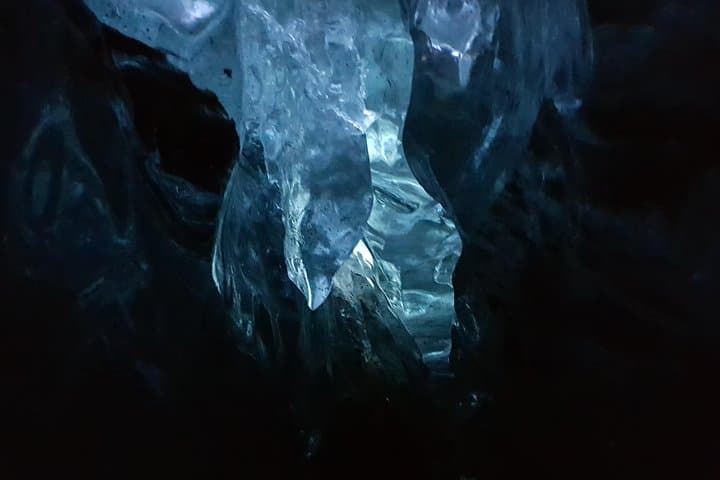
The sound of ice is not silence but a subtle movement—groans, small cracks and the hush of wind across polished blue walls. Guides hand out helmets and crampons; the group slips into bright gear and moves toward a tunnel sculpted by melt, where light drinks through the ice and casts the cave floor in ethereal blue.
Vatnajökull is Europe’s largest ice cap, fed by volcanic landforms beneath and shaped by millennia of freezing and thawing. Jökulsárlón itself is a young lagoon formed in the 20th century as the glacier retreated; ice caves here are transient features—born, reshaped and gone with seasons—so each visit documents a different geological instant.
Local culture in southeast Iceland remains tied to the sea and the glaciers: fishing ports like Höfn supply the region, while sagas and place names map human encounters with extremes.
Practically, expect a 2–3 hour outing that mixes short super jeep transfer with guided walking on compacted snow and ice. Guides control route and rope-free access inside the cave; helmets and crampons are standard. Conditions change rapidly—light levels, temperatures and cave stability shift with weather—so layers, waterproof outerwear and sturdy boots are essential.
Photography windows are narrow; allow time to move safely and respect guide instructions. The ice seems to breathe here—waiting, opening, and daring you to look deeper—but your best souvenir is to leave the place unchanged.
moderate.
2–3 hours.
Moderately fit: comfortable walking on uneven, icy terrain and climbing short inclines while wearing crampons.
Guided ice caves are generally safe when led by experienced guides who assess stability daily; however, caves are natural and can change, so follow instructions and avoid unaccompanied exploration.
Tours recommend a moderate fitness level; there is no strict minimum age but children must be able to walk on uneven icy ground and wear provided safety gear.
You shouldn’t get soaked if you wear waterproof outer layers, but melting ice and trickles are common—waterproof pants and gaiters help.
Operators often cancel or reschedule for safety if weather or cave conditions are unsafe; check cancellation policy and allow flexibility for changes.
Jökulsárlón formed as Vatnajökull retreated during the 20th century; the ice caves are ephemeral features sculpted by meltwater and volcanic heat beneath the ice.
Glacial landscapes here are highly dynamic and sensitive; stick to guided routes, minimize footprint, and support operators that follow local protection guidelines.
Ice Cave In Iceland operates guided outdoor trips and adventures with an emphasis on safety, stewardship, and memorable experiences.
A low, cobalt sky hangs over the glacier lagoon as a super jeep bumps onto the country road that leads from the Ring Road to the edge of Vatnajökull.
A low, cobalt sky hangs over the glacier lagoon as a super jeep bumps onto the country road that leads from the Ring Road to the edge of Vatnajökull.
The sound of ice is not silence but a subtle movement—groans, small cracks and the hush of wind across polished blue walls. Guides hand out helmets and crampons; the group slips into bright gear and moves toward a tunnel sculpted by melt, where light drinks through the ice and casts the cave floor in ethereal blue.
Vatnajökull is Europe’s largest ice cap, fed by volcanic landforms beneath and shaped by millennia of freezing and thawing. Jökulsárlón itself is a young lagoon formed in the 20th century as the glacier retreated; ice caves here are transient features—born, reshaped and gone with seasons—so each visit documents a different geological instant.
Local culture in southeast Iceland remains tied to the sea and the glaciers: fishing ports like Höfn supply the region, while sagas and place names map human encounters with extremes.
Practically, expect a 2–3 hour outing that mixes short super jeep transfer with guided walking on compacted snow and ice. Guides control route and rope-free access inside the cave; helmets and crampons are standard. Conditions change rapidly—light levels, temperatures and cave stability shift with weather—so layers, waterproof outerwear and sturdy boots are essential.
Photography windows are narrow; allow time to move safely and respect guide instructions. The ice seems to breathe here—waiting, opening, and daring you to look deeper—but your best souvenir is to leave the place unchanged.