THE ADVENTURE COLLECTIVE® · Independent discovery and booking for outdoor travel

A private day trip from Zagreb to Plitvice’s frozen lakes offers a full-day hike across boardwalks, icy falls, and travertine terraces. Expect a 2‑hour drive each way, layered clothing, and a guide who guides you through the park’s geological wonders.
A private day trip from Zagreb to Plitvice’s frozen lakes offers a full-day hike across boardwalks, icy falls, and travertine terraces. Expect a 2‑hour drive each way, layered clothing, and a guide who guides you through the park’s geological wonders.
You leave Zagreb before sunrise and the motorway thins; by the time you crest the karst rim the air has a bite and the lakes lie glassy, some frozen, some steaming with mist. The boardwalks thread across turquoise basins, and waterfalls carve clean lines into the limestone—each cascade daring you to step closer and listen.
Verified experiences and guided adventures in the surrounding area.
Operated by Natural Croatia (Zemlja-Voda-Zrak) · Plitvička Jezera, Lika-Senj County
You leave Zagreb before sunrise and the motorway thins; by the time you crest the karst rim the air has a bite and the lakes lie glassy, some frozen, some steaming with mist. The boardwalks thread across turquoise basins, and waterfalls carve clean lines into the limestone—each cascade daring you to step closer and listen.
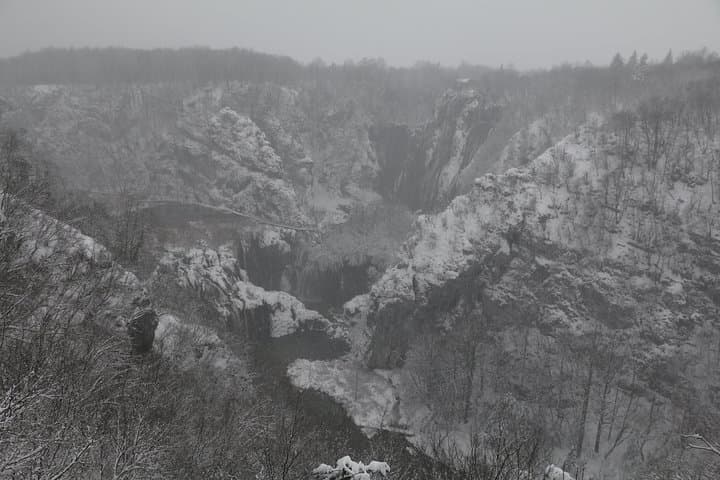
Plitvice Lakes National Park formed where mineral-rich waters build travertine barriers, a slow geology that created a tiered series of 16 lakes and dozens of falls. The park became Croatia’s first national park in 1949 and a UNESCO site in 1979. The surrounding Lika region carries a lowland pastoral culture and wartime history; small hamlets and shepherding traditions are still visible along the road.
This private day trip is a practical way to experience the frozen landscape without the crowds: expect a roughly 2‑hour transfer each way from Zagreb and a full day of walking on boardwalks, forest paths, and occasional stone steps. Winter conditions mean icy surfaces—traction devices are strongly recommended—while spring brings swollen falls and summer offers long daylight.
Plan for layered clothing, sturdy waterproof boots, and a daypack with water and high-energy snacks. The guide handles transport and local navigation, but park rules require staying on marked paths to protect fragile tufa formations. Facilities inside the park are limited in winter—pack spare batteries and a small first-aid kit. Timed entry and parking can restrict movement, so an early start and flexible footwear will make the day smoother.
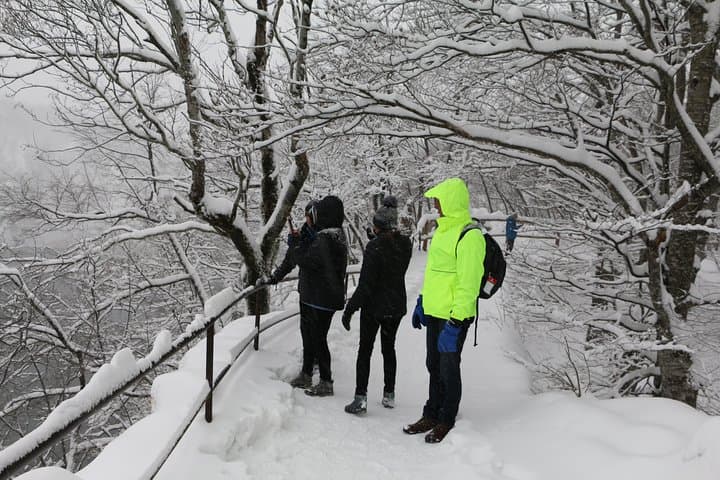
This is a scenery-first hike: expect photographic framing around each bend, the muffled hush of snow on trees, and the constant motion of water—sometimes frozen, always present.
easy.
8–9 hours.
Comfortable walking fitness; you should be able to walk several hours over uneven boardwalks and steps.
The drive is roughly two hours each way depending on traffic and road conditions—plan for about a 9‑hour round trip including hiking time.
Park entrance fees are typically separate from private transport; confirm with the operator before booking so you can purchase tickets on arrival if needed.
The route is suitable for most ages and fitness levels, but expect several hours on uneven boardwalks and steps—bring appropriate footwear and consider pacing for older participants.
Layered clothing, a waterproof outer shell, insulated mid-layers, warm hat and gloves, and traction devices for icy surfaces are recommended.
Plitvice was designated Croatia’s first national park in 1949 and added to UNESCO’s World Heritage List in 1979; the lakes are the result of centuries of travertine deposition on karst terrain.
Staying on marked trails and avoiding any disturbance to the water flow helps protect fragile tufa barriers; carry out all waste and minimize soaps or detergents near water.
Natural Croatia (Zemlja-Voda-Zrak) operates guided outdoor trips and adventures with an emphasis on safety, stewardship, and memorable experiences.
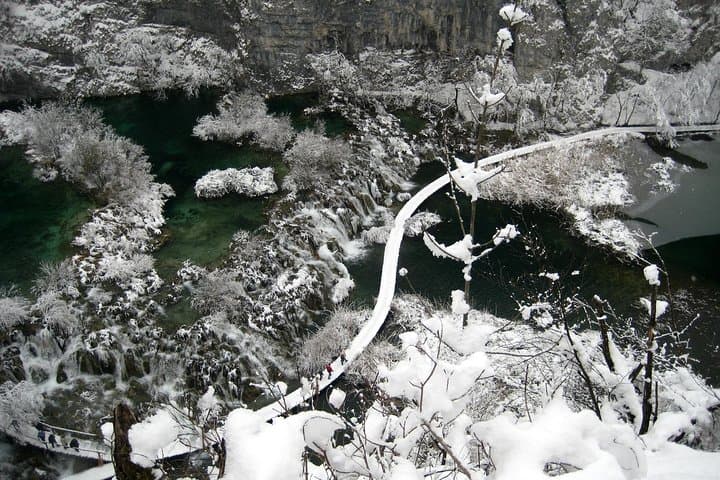
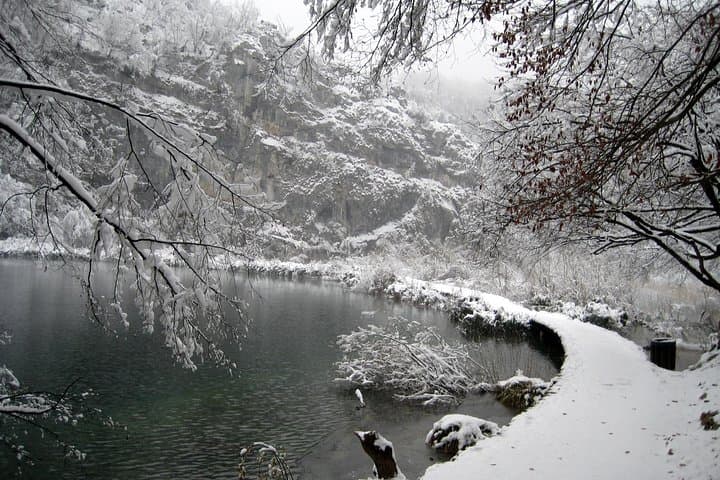
You leave Zagreb before sunrise and the motorway thins; by the time you crest the karst rim the air has a bite and the lakes lie glassy, some frozen, some steaming with mist. The boardwalks thread across turquoise basins, and waterfalls carve clean lines into the limestone—each cascade daring you to step closer and listen.
You leave Zagreb before sunrise and the motorway thins; by the time you crest the karst rim the air has a bite and the lakes lie glassy, some frozen, some steaming with mist. The boardwalks thread across turquoise basins, and waterfalls carve clean lines into the limestone—each cascade daring you to step closer and listen.
Plitvice Lakes National Park formed where mineral-rich waters build travertine barriers, a slow geology that created a tiered series of 16 lakes and dozens of falls. The park became Croatia’s first national park in 1949 and a UNESCO site in 1979. The surrounding Lika region carries a lowland pastoral culture and wartime history; small hamlets and shepherding traditions are still visible along the road.
This private day trip is a practical way to experience the frozen landscape without the crowds: expect a roughly 2‑hour transfer each way from Zagreb and a full day of walking on boardwalks, forest paths, and occasional stone steps. Winter conditions mean icy surfaces—traction devices are strongly recommended—while spring brings swollen falls and summer offers long daylight.
Plan for layered clothing, sturdy waterproof boots, and a daypack with water and high-energy snacks. The guide handles transport and local navigation, but park rules require staying on marked paths to protect fragile tufa formations. Facilities inside the park are limited in winter—pack spare batteries and a small first-aid kit. Timed entry and parking can restrict movement, so an early start and flexible footwear will make the day smoother.
This is a scenery-first hike: expect photographic framing around each bend, the muffled hush of snow on trees, and the constant motion of water—sometimes frozen, always present.