THE ADVENTURE COLLECTIVE® · Independent discovery and booking for outdoor travel

Take a full-day escape from Seoul to the Cheongyang Alps Village ice festival: sculpted walls, sled runs and snow-carved photo spots make for a brisk, camera-ready winter outing. This practical guide covers what to expect, how to prepare, and local tips to get the most from the day trip.
Take a full-day escape from Seoul to the Cheongyang Alps Village ice festival: sculpted walls, sled runs and snow-carved photo spots make for a brisk, camera-ready winter outing. This practical guide covers what to expect, how to prepare, and local tips to get the most from the day trip.
The air bites with a clean, metallic edge as the coach approaches the small cluster of buildings that mark Cheongyang Alps Village. Snow crinkles underfoot and a vertical face of blue-white ice rises ahead — an engineered ice wall and a shifting field of sculpted forms that dare you to step closer with a camera or a sled.
Verified experiences and guided adventures in the surrounding area.
Operated by Lecirt · Cheongyang, Chungcheongnam-do
The air bites with a clean, metallic edge as the coach approaches the small cluster of buildings that mark Cheongyang Alps Village. Snow crinkles underfoot and a vertical face of blue-white ice rises ahead — an engineered ice wall and a shifting field of sculpted forms that dare you to step closer with a camera or a sled.
The Cheongyang area sits on the southern edge of Korea’s inland highlands; winters here pack snow and freeze daytime waters into the dramatic ice sculptures that are the festival’s draw. The village’s seasonal displays and amusement setups have roots in local winter markets and contemporary tourism efforts to celebrate the cold months. Nearby ridgelines are made of weathered granite and sandstone, channels that funnel cold air and help maintain the ice structures through the festival window.
Culturally, Cheongyang is better known for its chili pepper cultivar, but winter brings a different pace: families, photographers and day-trippers from Seoul mixing with farmers and local vendors selling hot tteok and roasted chestnuts.
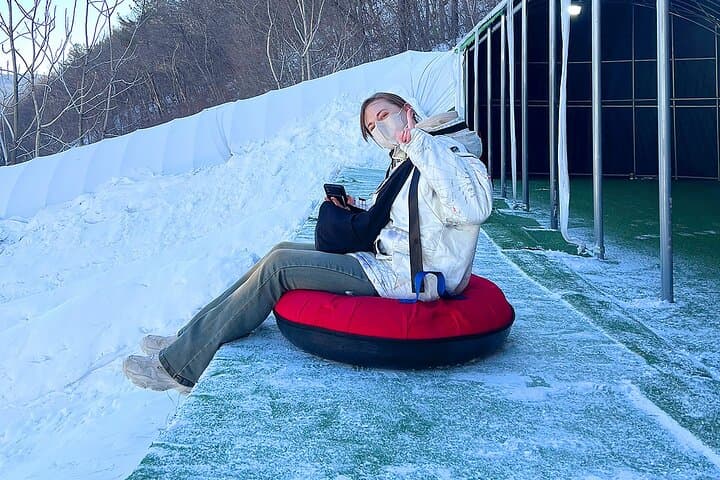
Practical guidance: the tour runs about 11–12 hours with early morning Seoul pickups (Hongik Univ., Myeongdong, Dongdaemun). Expect walking on packed snow, icy paths and short queues for sled rides — some attractions require extra fees. Dress in insulating layers, waterproof boots with grip, and carry a charged phone for photos. Bring cash for food stalls and small rides. If you have heart or circulation issues, consult your doctor; the operator notes a moderate fitness requirement. Return transport is included, so plan for a long, satisfying day out and arrive ready to trade warmth for the sharp, crystalline look of winter in the Cheongyang highlands.
moderate.
11–12 hours.
Should be in moderate physical shape: able to stand and walk on snow/ice for several hours and climb short steps.
The full itinerary is about 11–12 hours including coach transfers, roughly three hours at Cheongyang Alps Village and round-trip travel time.
The pass includes general admission and some winter activities; certain rides and special attractions may require additional on-site fees.
Yes, families and seniors commonly attend, but those with heart or circulation issues should avoid strenuous activities; moderate fitness is recommended.
Typical pickup points include Hongik University Station Exit 4, Myeongdong Station Exit 3, and Dongdaemun History & Culture Park Station Exit 10.
Cheongyang’s winter festival grew from local market traditions and recent tourism initiatives that repurpose cold-season conditions into ice-sculpture events.
Festival organizers manage sculptures and foot traffic to reduce vegetation damage; visitors should stay on designated paths, avoid breaking sculptures, and pack out trash.
Lecirt operates guided outdoor trips and adventures with an emphasis on safety, stewardship, and memorable experiences.
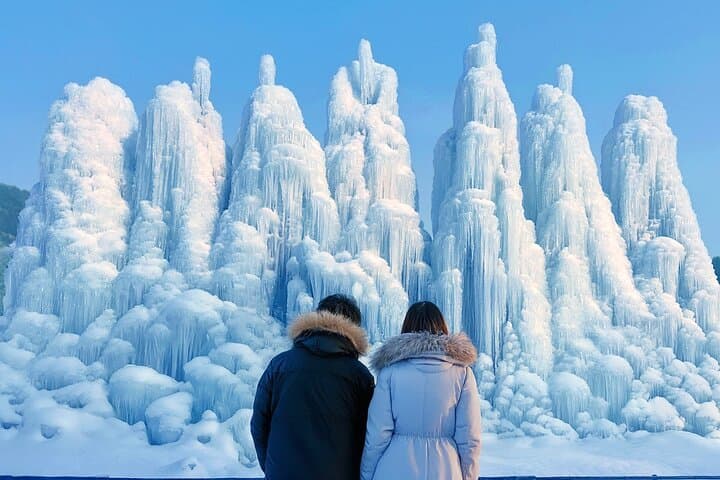
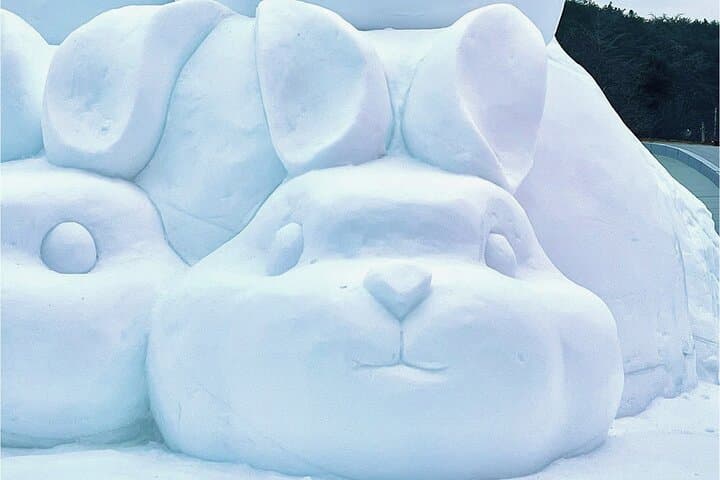
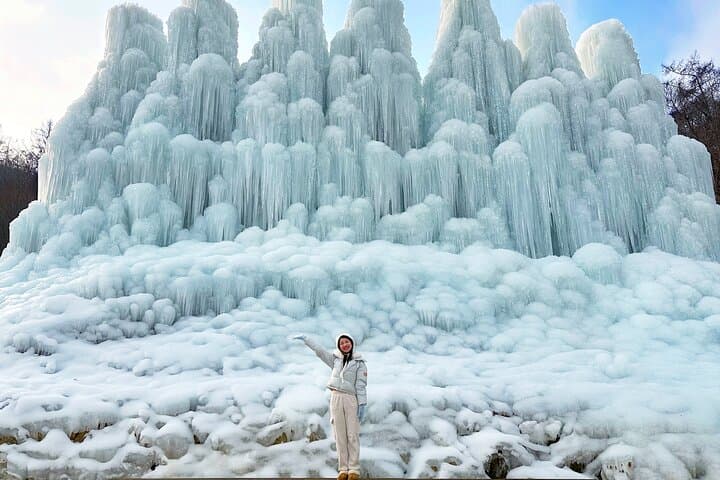
The air bites with a clean, metallic edge as the coach approaches the small cluster of buildings that mark Cheongyang Alps Village. Snow crinkles underfoot and a vertical face of blue-white ice rises ahead — an engineered ice wall and a shifting field of sculpted forms that dare you to step closer with a camera or a sled.
The air bites with a clean, metallic edge as the coach approaches the small cluster of buildings that mark Cheongyang Alps Village. Snow crinkles underfoot and a vertical face of blue-white ice rises ahead — an engineered ice wall and a shifting field of sculpted forms that dare you to step closer with a camera or a sled.
The Cheongyang area sits on the southern edge of Korea’s inland highlands; winters here pack snow and freeze daytime waters into the dramatic ice sculptures that are the festival’s draw. The village’s seasonal displays and amusement setups have roots in local winter markets and contemporary tourism efforts to celebrate the cold months. Nearby ridgelines are made of weathered granite and sandstone, channels that funnel cold air and help maintain the ice structures through the festival window.
Culturally, Cheongyang is better known for its chili pepper cultivar, but winter brings a different pace: families, photographers and day-trippers from Seoul mixing with farmers and local vendors selling hot tteok and roasted chestnuts.
Practical guidance: the tour runs about 11–12 hours with early morning Seoul pickups (Hongik Univ., Myeongdong, Dongdaemun). Expect walking on packed snow, icy paths and short queues for sled rides — some attractions require extra fees. Dress in insulating layers, waterproof boots with grip, and carry a charged phone for photos. Bring cash for food stalls and small rides. If you have heart or circulation issues, consult your doctor; the operator notes a moderate fitness requirement. Return transport is included, so plan for a long, satisfying day out and arrive ready to trade warmth for the sharp, crystalline look of winter in the Cheongyang highlands.