THE ADVENTURE COLLECTIVE® · Independent discovery and booking for outdoor travel

Skip the crowds and see the DMZ from a frontline outpost. This private, escorted tour offers direct briefings by active soldiers, observation-post views of North Korea, and a full-day itinerary from Imjingak to riverside military history.
Skip the crowds and see the DMZ from a frontline outpost. This private, escorted tour offers direct briefings by active soldiers, observation-post views of North Korea, and a full-day itinerary from Imjingak to riverside military history.
You arrive at Imjingak before the traffic from Seoul thins, the river beside you moving with a quiet insistence as barbed wire and watchtowers cut the skyline. Soldiers in standard-issue uniforms check IDs, and the landscape—roads, fields, and abandoned structures—feels like a line drawn in real time. From the observation post you’ll peer through high-powered scopes at fortified positions on the other side; the boundary doesn’t whisper, it watches back.
Verified experiences and guided adventures in the surrounding area.
Operated by beyond DMZ tours · Paju, Gyeonggi-do
You arrive at Imjingak before the traffic from Seoul thins, the river beside you moving with a quiet insistence as barbed wire and watchtowers cut the skyline. Soldiers in standard-issue uniforms check IDs, and the landscape—roads, fields, and abandoned structures—feels like a line drawn in real time. From the observation post you’ll peer through high-powered scopes at fortified positions on the other side; the boundary doesn’t whisper, it watches back.
The area around the Imjin River and the DMZ holds layers of modern history: battle-scarred bridges, the Mangbaedan memorial for families divided by the war, and post-Armistice changes that left whole ecosystems off-limits to development. Geologically flat river plains give way to low ridgelines that once guided troop movements; culturally, the zone is both living memory and living museum, where veterans’ stories meet current soldiers’ briefings.
Practical guidance: this is a controlled, escorted visit—bring an original passport and provide exact ID details at booking for military pre-clearance. Dress for the weather and for long periods standing at observation points; scopes and telescopes are provided but personal binoculars add flexibility. Expect checkpoint procedures, restrictions on photography near sensitive equipment, and a full-day schedule (roughly eight hours) that can include the Imjingak Peace Gondola, a riverside military-camp museum, and a frontline briefing by active-duty personnel.
The experience balances raw historical context with surprising natural calm—eagles ride thermals overhead and deer graze beyond fences—making it a focused, reflective day trip best suited to travelers who want direct, informed access to one of the world’s most tense borders.
easy.
8 hours.
Suitable for most fitness levels—requires standing and short walks at observation sites.
Yes — original passport details (name, DOB, nationality, passport number, expiry) must be submitted for military pre-clearance and presented on the day.
Children can join, but infants must sit on laps; check age and ID requirements and consult the operator about very young children given the security environment.
Photography is allowed in many areas, but images of active military positions, weapons, or certain installations are restricted—follow soldier and guide directions.
The tours are conducted with military escorts and strict protocols; while politically sensitive, visits are tightly controlled and generally safe for civilians following the rules.
The DMZ was established by the 1953 Armistice Line and has since been a heavily guarded buffer; sites like Imjingak record both wartime losses and ongoing reunification efforts.
Restricted access has created de facto refuges where rare species survive; visitors should avoid disturbing wildlife and follow all paths and guidance to minimize impact.
beyond DMZ tours operates guided outdoor trips and adventures with an emphasis on safety, stewardship, and memorable experiences.
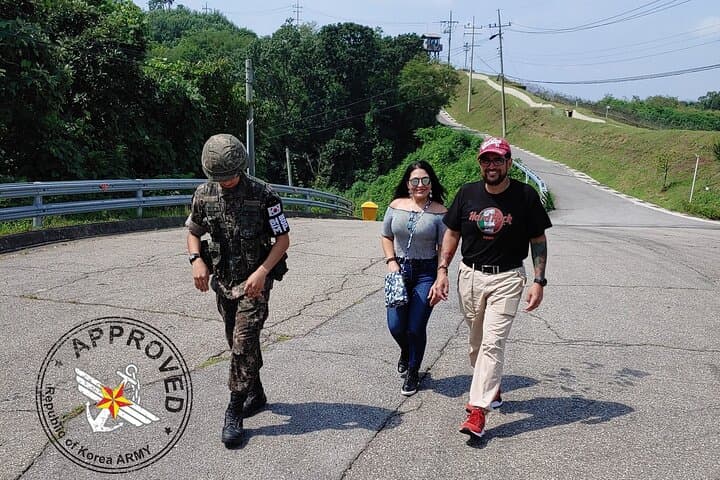
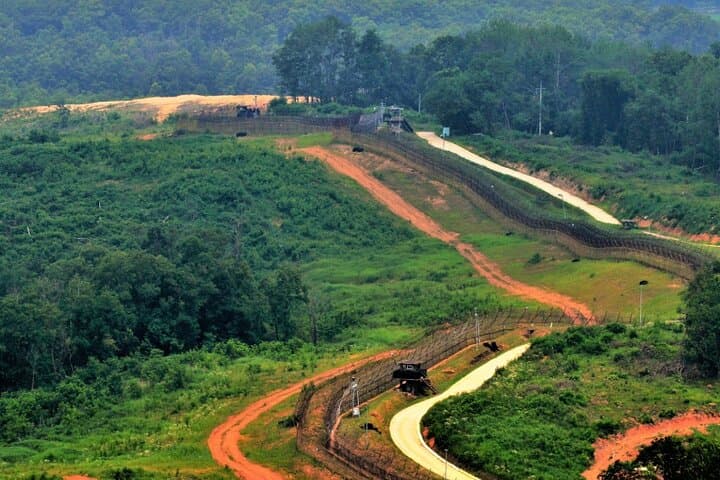
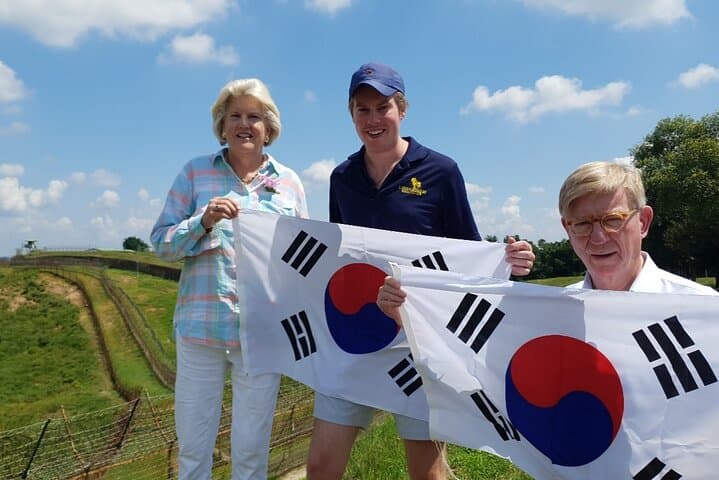
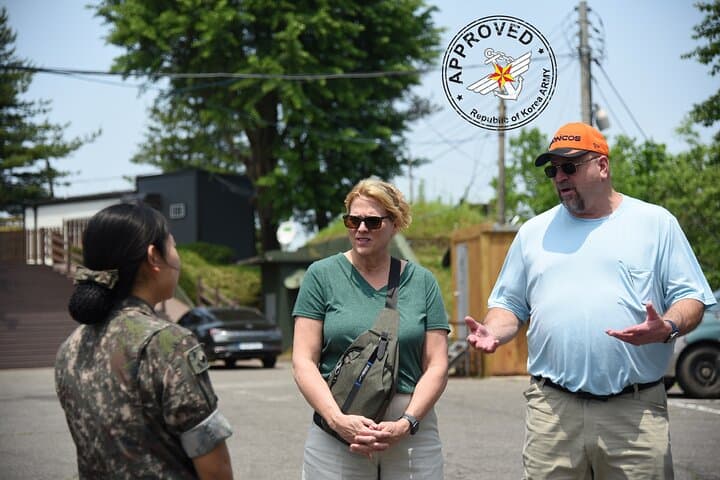
You arrive at Imjingak before the traffic from Seoul thins, the river beside you moving with a quiet insistence as barbed wire and watchtowers cut the skyline. Soldiers in standard-issue uniforms check IDs, and the landscape—roads, fields, and abandoned structures—feels like a line drawn in real time. From the observation post you’ll peer through high-powered scopes at fortified positions on the other side; the boundary doesn’t whisper, it watches back.
You arrive at Imjingak before the traffic from Seoul thins, the river beside you moving with a quiet insistence as barbed wire and watchtowers cut the skyline. Soldiers in standard-issue uniforms check IDs, and the landscape—roads, fields, and abandoned structures—feels like a line drawn in real time. From the observation post you’ll peer through high-powered scopes at fortified positions on the other side; the boundary doesn’t whisper, it watches back.
The area around the Imjin River and the DMZ holds layers of modern history: battle-scarred bridges, the Mangbaedan memorial for families divided by the war, and post-Armistice changes that left whole ecosystems off-limits to development. Geologically flat river plains give way to low ridgelines that once guided troop movements; culturally, the zone is both living memory and living museum, where veterans’ stories meet current soldiers’ briefings.
Practical guidance: this is a controlled, escorted visit—bring an original passport and provide exact ID details at booking for military pre-clearance. Dress for the weather and for long periods standing at observation points; scopes and telescopes are provided but personal binoculars add flexibility. Expect checkpoint procedures, restrictions on photography near sensitive equipment, and a full-day schedule (roughly eight hours) that can include the Imjingak Peace Gondola, a riverside military-camp museum, and a frontline briefing by active-duty personnel.
The experience balances raw historical context with surprising natural calm—eagles ride thermals overhead and deer graze beyond fences—making it a focused, reflective day trip best suited to travelers who want direct, informed access to one of the world’s most tense borders.