THE ADVENTURE COLLECTIVE® · Independent discovery and booking for outdoor travel

Skip transit stress and take a shuttle straight to Sapucaí for a guaranteed seat at Rio’s legendary Sambadrome. Experience six hours of drums, floats, and samba tradition with practical transport and reserved grandstand seating.
Skip transit stress and take a shuttle straight to Sapucaí for a guaranteed seat at Rio’s legendary Sambadrome. Experience six hours of drums, floats, and samba tradition with practical transport and reserved grandstand seating.
You step out of the shuttle into a corridor of drumbeats—the Sambadrome’s concrete bowl presses close, lights glare, and a river of sequins surges toward the parade avenue. The air tastes of smoke, sweat, and fried street snacks; the samba schools move like well-oiled machines, each float a moving theater that demands your full attention.
Verified experiences and guided adventures in the surrounding area.
Operated by RJ TOP TOUR EXPERIENCE · Rio de Janeiro, Rio de Janeiro
You step out of the shuttle into a corridor of drumbeats—the Sambadrome’s concrete bowl presses close, lights glare, and a river of sequins surges toward the parade avenue. The air tastes of smoke, sweat, and fried street snacks; the samba schools move like well-oiled machines, each float a moving theater that demands your full attention.
The Sambadrome (Sambódromo da Marquês de Sapucaí) was conceived by Oscar Niemeyer and opened in the 1980s as a dedicated strip for Rio’s parades. The parade axis runs through central Rio, a city carved from granite peaks—Sugarloaf and Corcovado loom beyond the urban grid—and shaped by colonial trade, migrant communities from Brazil’s northeast, and Afro-Brazilian cultural traditions that feed Carnival’s soul.
Expect concentrated spectacle: towering floats, percussion sections that push the chest, and costumed contingents whose choreography traces neighborhood histories. Local insights: Pedra do Sal’s samba rodas and Lapa’s nightlife keep the music alive off-hours; vendors around the Sambadrome sell inexpensive rain ponchos and water.
Practically, the shuttle/ticket package removes one major logistical headache—transport to and from scheduled pickup points—so plan for a full evening (the tour runs roughly six hours). Wear cushioned shoes for standing, bring ear protection for the drums, a lightweight rain jacket (February is summer and rain is possible), and keep valuables secured; lines and crowds are dense and security checks are standard. Hydrate, agree on a meeting point with your group, and arrive early to watch the buildup: Carnival at Sapucaí is as much about the moments between parades as the parade itself.
easy.
6 hours.
Suitable for all fitness levels; expect standing and walking short distances on stairs and terraces.
Yes—the experience includes round-trip transfer from the arranged pickup point to the Sambadrome and back after the parade.
Policies can vary by event night; small snacks are typically allowed but security may restrict large bags—buy food from vendors before or after entering.
Sector numbers identify grandstand sections; reserved seats place you in a designated block with stadium-style viewing but limited legroom—arrive early to claim comfortable positioning.
Yes—phones and cameras are allowed, but expect crowded conditions and limited quick mobility for tripod use; keep devices secure and battery charged.
The Sambadrome was designed by Oscar Niemeyer and opened in the early 1980s to formalize Rio’s parade route and spectator seating, cementing Carnival’s central axis in the city.
Carnival generates heavy waste—carry a reusable bottle, use marked trash/recycling bins where available, and support local vendors who follow sustainable practices.
RJ TOP TOUR EXPERIENCE operates guided outdoor trips and adventures with an emphasis on safety, stewardship, and memorable experiences.
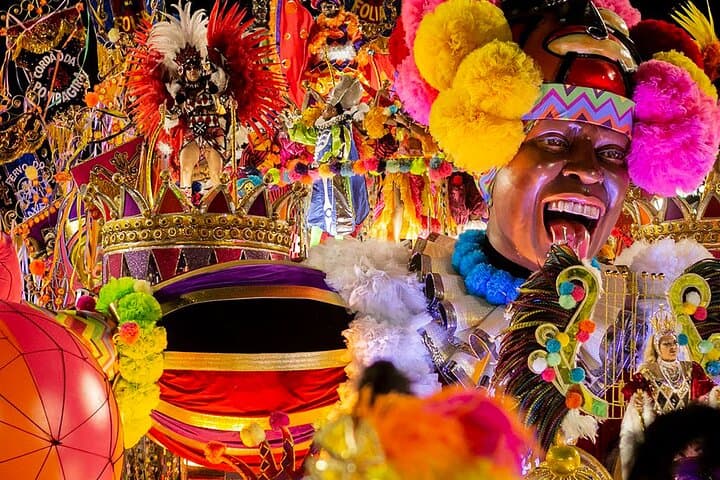

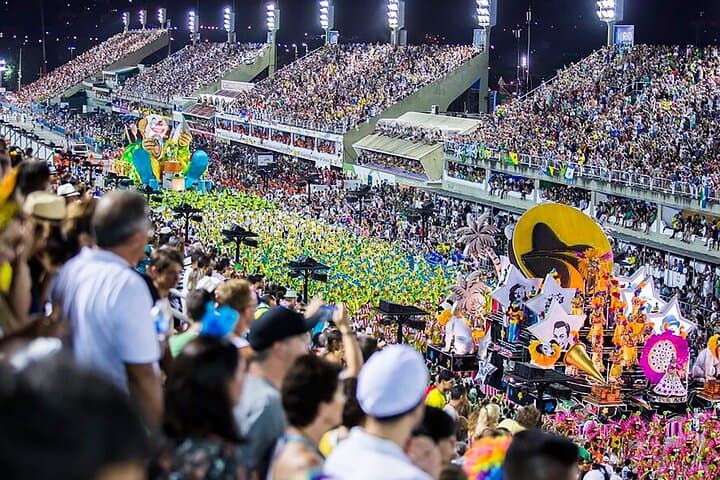

You step out of the shuttle into a corridor of drumbeats—the Sambadrome’s concrete bowl presses close, lights glare, and a river of sequins surges toward the parade avenue. The air tastes of smoke, sweat, and fried street snacks; the samba schools move like well-oiled machines, each float a moving theater that demands your full attention.
You step out of the shuttle into a corridor of drumbeats—the Sambadrome’s concrete bowl presses close, lights glare, and a river of sequins surges toward the parade avenue. The air tastes of smoke, sweat, and fried street snacks; the samba schools move like well-oiled machines, each float a moving theater that demands your full attention.
The Sambadrome (Sambódromo da Marquês de Sapucaí) was conceived by Oscar Niemeyer and opened in the 1980s as a dedicated strip for Rio’s parades. The parade axis runs through central Rio, a city carved from granite peaks—Sugarloaf and Corcovado loom beyond the urban grid—and shaped by colonial trade, migrant communities from Brazil’s northeast, and Afro-Brazilian cultural traditions that feed Carnival’s soul.
Expect concentrated spectacle: towering floats, percussion sections that push the chest, and costumed contingents whose choreography traces neighborhood histories. Local insights: Pedra do Sal’s samba rodas and Lapa’s nightlife keep the music alive off-hours; vendors around the Sambadrome sell inexpensive rain ponchos and water.
Practically, the shuttle/ticket package removes one major logistical headache—transport to and from scheduled pickup points—so plan for a full evening (the tour runs roughly six hours). Wear cushioned shoes for standing, bring ear protection for the drums, a lightweight rain jacket (February is summer and rain is possible), and keep valuables secured; lines and crowds are dense and security checks are standard. Hydrate, agree on a meeting point with your group, and arrive early to watch the buildup: Carnival at Sapucaí is as much about the moments between parades as the parade itself.