THE ADVENTURE COLLECTIVE® · Independent discovery and booking for outdoor travel

A three-hour guided snowshoeing tour on the Front Range—30–40 minutes west of Denver—delivers close-up mountain winter scenery, state-of-the-art snowshoes, and a moderate-paced exploration across forested corridors and open meadows. Reconfirm 24 hours prior; tours run November through March.
A three-hour guided snowshoeing tour on the Front Range—30–40 minutes west of Denver—delivers close-up mountain winter scenery, state-of-the-art snowshoes, and a moderate-paced exploration across forested corridors and open meadows. Reconfirm 24 hours prior; tours run November through March.
Snow settles in thick ribbons on lodgepole pines as you step off the trailhead, each crunch answering to the patient hush of the Front Range. The sky is a hard blue slice above ridgelines that rise sharp and close—this is winter a half-hour from the city, where the mountains conspire to slow your pace and sharpen your breath.
Verified experiences and guided adventures in the surrounding area.
Operated by Denver Adventures - Zipline Tours · Denver, Colorado
Snow settles in thick ribbons on lodgepole pines as you step off the trailhead, each crunch answering to the patient hush of the Front Range. The sky is a hard blue slice above ridgelines that rise sharp and close—this is winter a half-hour from the city, where the mountains conspire to slow your pace and sharpen your breath.
The Front Range is geologically young terrain in human terms: Precambrian granite and uplifted sedimentary beds folded by faulting, then sculpted by Pleistocene ice. Indigenous groups, later miners and homesteaders, shaped early trails; today those tracks carry winter recreation—snowshoeing among them—where natural history meets local outdoor culture.
On a typical 3-hour guided outing from a Denver-area meeting point, expect 3–5 miles of travel on packed snow and softer side-steps, with intermittent climbs totaling roughly 400–800 feet of cumulative gain. Trails vary between sheltered forest corridors and exposed meadows; the guide doles out state-of-the-art snowshoes, snacks and a sports drink, and paces the group for steady, sustainable effort.
Practical: contact the operator 24 hours before departure to confirm conditions; tours run November–March but require adequate snow. Layer for cold, bring insulated boots and water, and be ready to swap routes if weather or numbers force changes. The rhythm of the outing will alternate quiet, steady walking with moments of open vista—geometry and wind that both test and reward the careful traveler.
moderate.
3 hours.
Should have a moderate fitness base—able to sustain steady walking with short uphill sections for several hours.
The guided outing is approximately 3 hours and typically covers 3–5 miles with intermittent elevation gains totalling around 400–800 feet, depending on route and conditions.
No prior experience required—guides give a brief orientation on snowshoe technique and adjust pace to the group's ability.
Tours can be canceled for insufficient snow or minimum numbers; operators will offer an alternative date or a full refund if cancellation occurs.
Yes—state-of-the-art snowshoes and a PowerBar plus a sports drink are provided; you should bring warm boots and appropriate clothing.
The Front Range sits on uplifted Precambrian rock and saw early human use by Ute and Arapaho communities and later by miners and settlers carving access trails used today.
Stick to established trails and avoid breaking fresh snowfields where wildlife feed; pack out all trash and minimize group impacts on fragile winter habitats.
Denver Adventures - Zipline Tours operates guided outdoor trips and adventures with an emphasis on safety, stewardship, and memorable experiences.
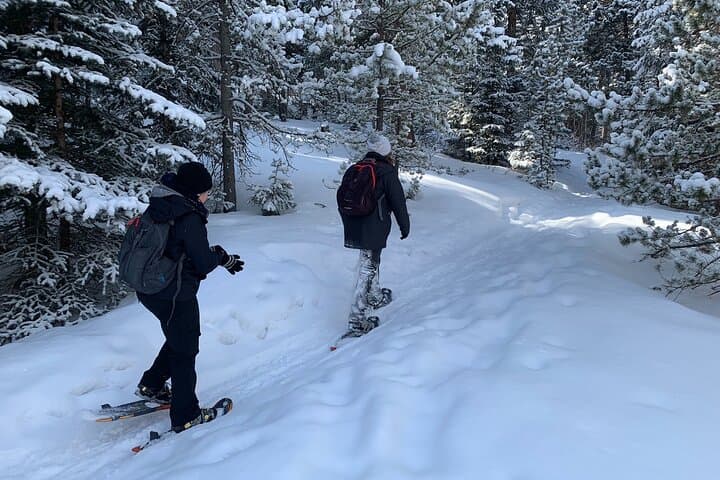
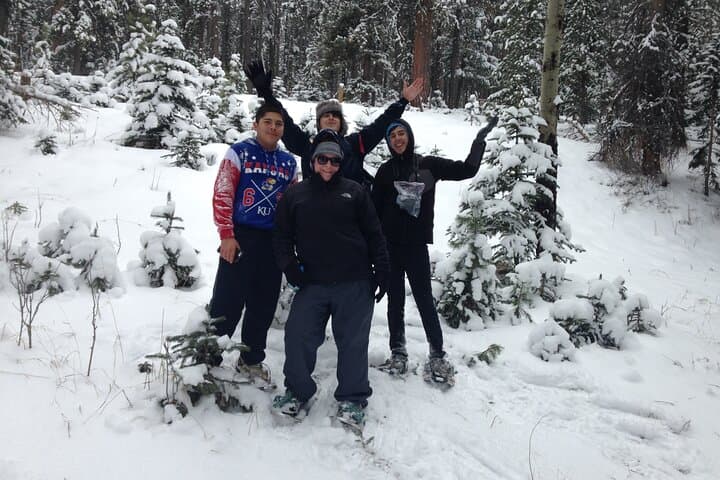
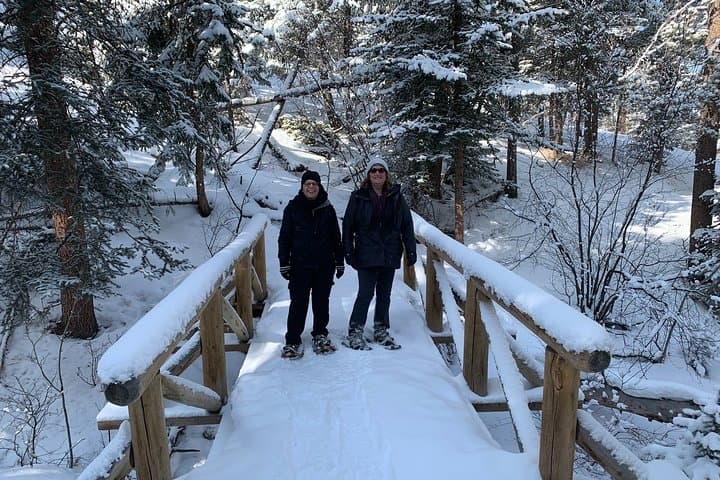
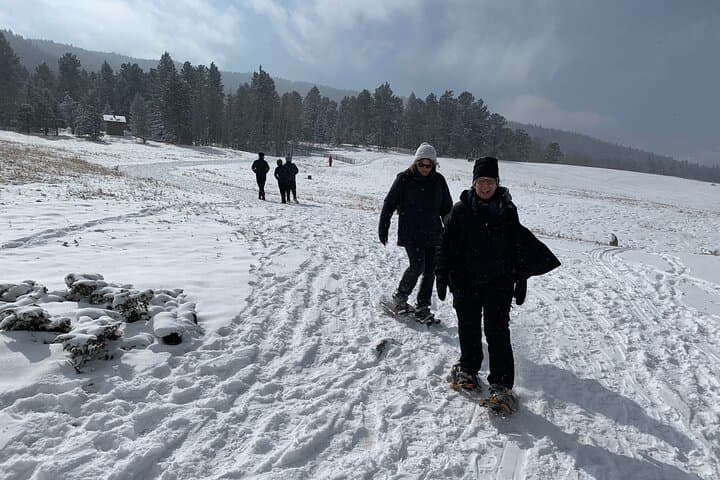
Snow settles in thick ribbons on lodgepole pines as you step off the trailhead, each crunch answering to the patient hush of the Front Range. The sky is a hard blue slice above ridgelines that rise sharp and close—this is winter a half-hour from the city, where the mountains conspire to slow your pace and sharpen your breath.
Snow settles in thick ribbons on lodgepole pines as you step off the trailhead, each crunch answering to the patient hush of the Front Range. The sky is a hard blue slice above ridgelines that rise sharp and close—this is winter a half-hour from the city, where the mountains conspire to slow your pace and sharpen your breath.
The Front Range is geologically young terrain in human terms: Precambrian granite and uplifted sedimentary beds folded by faulting, then sculpted by Pleistocene ice. Indigenous groups, later miners and homesteaders, shaped early trails; today those tracks carry winter recreation—snowshoeing among them—where natural history meets local outdoor culture.
On a typical 3-hour guided outing from a Denver-area meeting point, expect 3–5 miles of travel on packed snow and softer side-steps, with intermittent climbs totaling roughly 400–800 feet of cumulative gain. Trails vary between sheltered forest corridors and exposed meadows; the guide doles out state-of-the-art snowshoes, snacks and a sports drink, and paces the group for steady, sustainable effort.
Practical: contact the operator 24 hours before departure to confirm conditions; tours run November–March but require adequate snow. Layer for cold, bring insulated boots and water, and be ready to swap routes if weather or numbers force changes. The rhythm of the outing will alternate quiet, steady walking with moments of open vista—geometry and wind that both test and reward the careful traveler.