THE ADVENTURE COLLECTIVE® · Independent discovery and booking for outdoor travel

Trace the route of heroes and oracles on a private full-day from Athens to Thermopylae and Delphi. This guided day trip pairs battlefield terrain and mountain sanctuaries with museum masterpieces and practical tips for a long, rewarding road trip.
Trace the route of heroes and oracles on a private full-day from Athens to Thermopylae and Delphi. This guided day trip pairs battlefield terrain and mountain sanctuaries with museum masterpieces and practical tips for a long, rewarding road trip.
Morning light strips the concrete of Athens as a private minivan carries you north, the city shrinking behind olive groves and the Aegean coast folding into the horizon. After roughly two-and-a-half hours the landscape changes: Thermopylae’s low coastal pass appears, flat ground that once funneled armies and now holds a bronze statue of Leonidas watching the sea.
Verified experiences and guided adventures in the surrounding area.
Operated by xploreathens · Delphi, Phocis
Morning light strips the concrete of Athens as a private minivan carries you north, the city shrinking behind olive groves and the Aegean coast folding into the horizon. After roughly two-and-a-half hours the landscape changes: Thermopylae’s low coastal pass appears, flat ground that once funneled armies and now holds a bronze statue of Leonidas watching the sea.
Thermopylae is a lesson in geography and myth—the narrow shoreline that channeled Xerxes’ fleet in 480 BC, its salt marshes reclaimed and its battlefield reduced by sediment. The small museum beside Leonidas frames the human story with artifacts and plaster casts; guides translate strategy into place, making it possible to imagine ranks of hoplites holding the line.
The day climbs to Delphi, perched on the southern slopes of Mount Parnassus at roughly 700–750 m elevation. Limestone ridges push the air cool and thin; stone terraces, the Tholos of Athena, and the Temple of Apollo expose a culture that sought counsel from a vaporous fissure beneath the tripod of the Pythia. The Archaeological Museum houses the Charioteer and fragmentary friezes—quiet masterpieces that anchor the site’s ritual economy.
Practical notes: expect a full 10–11 hour day with significant drive time; bring layered clothing for the temperature change from coast to mountain, sturdy shoes for uneven ancient stone, and cash or card for entry to Delphi’s museum if not prebooked. The private tour includes AC transport, bottled water, and onboard Wi‑Fi, which makes the long legs comfortable. Aim to start early to avoid midday heat at Thermopylae and crowds at Delphi; keep a slow pace at the temples to soak in details and photographic angles.
easy.
10–11 hours.
Suitable for most travelers who can sit for extended drives and walk short to moderate uneven terrain
Expect about 2–2.5 hours to Thermopylae and another 1.5–2 hours to Delphi, depending on traffic; the full tour runs about 10–11 hours.
The itinerary notes some sites and the museum may not include admission—confirm with the operator and bring payment if necessary.
No technical fitness is required, but there is walking on uneven stone and stairs; comfortable shoes recommended.
This offering is private and typically flexible; discuss timing or specific stops with the operator when booking.
Thermopylae’s narrow pass shaped military strategy in 480 BC; Delphi functioned as the pan-Hellenic religious center where leaders sought guidance from the Pythia.
Both sites are managed with archaeological protections—stick to marked paths, avoid touching fragile ruins, and use marked facilities to reduce impact.
xploreathens operates guided outdoor trips and adventures with an emphasis on safety, stewardship, and memorable experiences.
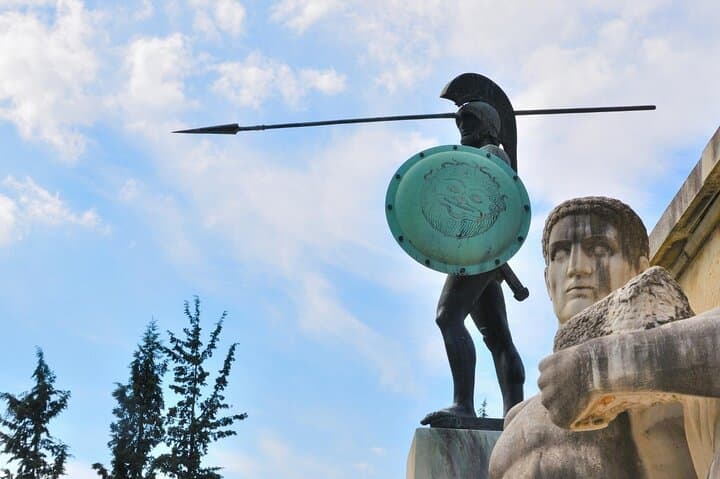
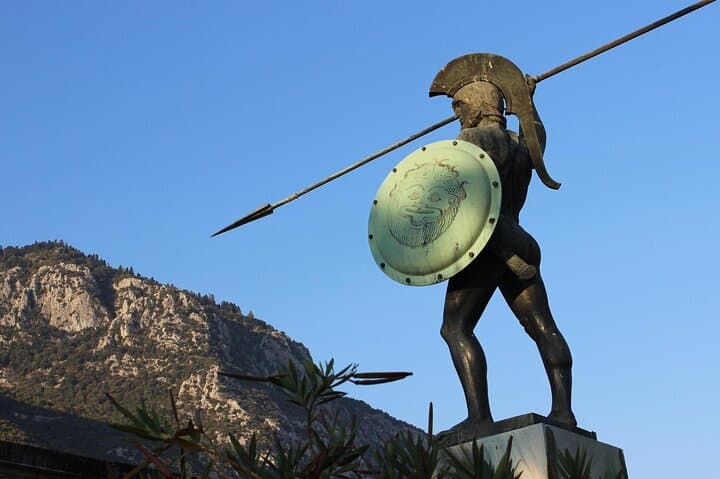
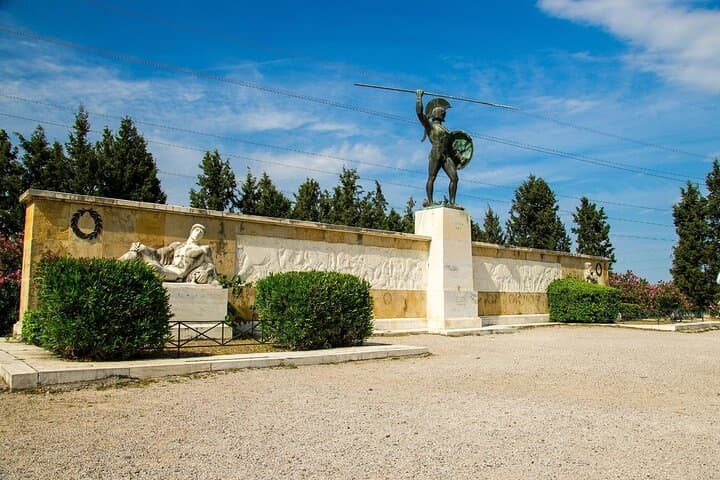
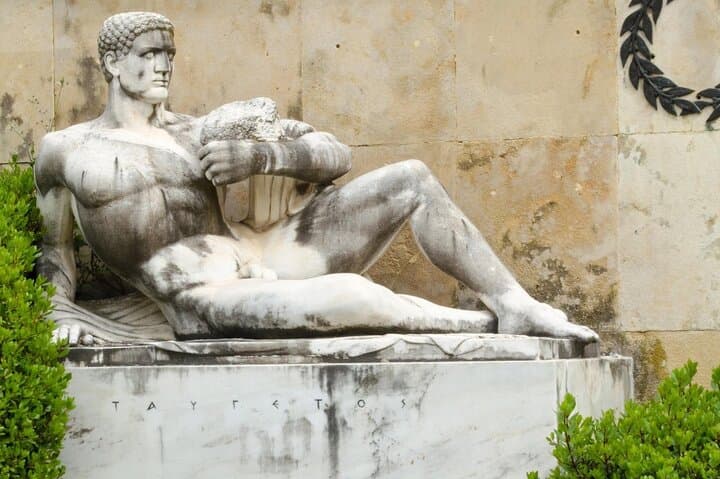
Morning light strips the concrete of Athens as a private minivan carries you north, the city shrinking behind olive groves and the Aegean coast folding into the horizon. After roughly two-and-a-half hours the landscape changes: Thermopylae’s low coastal pass appears, flat ground that once funneled armies and now holds a bronze statue of Leonidas watching the sea.
Morning light strips the concrete of Athens as a private minivan carries you north, the city shrinking behind olive groves and the Aegean coast folding into the horizon. After roughly two-and-a-half hours the landscape changes: Thermopylae’s low coastal pass appears, flat ground that once funneled armies and now holds a bronze statue of Leonidas watching the sea.
Thermopylae is a lesson in geography and myth—the narrow shoreline that channeled Xerxes’ fleet in 480 BC, its salt marshes reclaimed and its battlefield reduced by sediment. The small museum beside Leonidas frames the human story with artifacts and plaster casts; guides translate strategy into place, making it possible to imagine ranks of hoplites holding the line.
The day climbs to Delphi, perched on the southern slopes of Mount Parnassus at roughly 700–750 m elevation. Limestone ridges push the air cool and thin; stone terraces, the Tholos of Athena, and the Temple of Apollo expose a culture that sought counsel from a vaporous fissure beneath the tripod of the Pythia. The Archaeological Museum houses the Charioteer and fragmentary friezes—quiet masterpieces that anchor the site’s ritual economy.
Practical notes: expect a full 10–11 hour day with significant drive time; bring layered clothing for the temperature change from coast to mountain, sturdy shoes for uneven ancient stone, and cash or card for entry to Delphi’s museum if not prebooked. The private tour includes AC transport, bottled water, and onboard Wi‑Fi, which makes the long legs comfortable. Aim to start early to avoid midday heat at Thermopylae and crowds at Delphi; keep a slow pace at the temples to soak in details and photographic angles.