THE ADVENTURE COLLECTIVE® · Independent discovery and booking for outdoor travel

A full-day, self-guided tour from Split to Plitvice Lakes that pairs boardwalk hikes with a panoramic boat and electric train. Expect dramatic waterfalls, travertine terraces, and practical tips for beating crowds and navigating the park.
A full-day, self-guided tour from Split to Plitvice Lakes that pairs boardwalk hikes with a panoramic boat and electric train. Expect dramatic waterfalls, travertine terraces, and practical tips for beating crowds and navigating the park.
The bus eases out of Split at dawn and the road opens onto rolling karst fields; three hours later, Plitvice’s turquoise tiers appear like a stacked flash of water and limestone. Visitors step onto wide boardwalks that thread over clear pools, the air full of mist from cascading falls and the steady murmur of the park’s largest drop, Veliki Slap.
Verified experiences and guided adventures in the surrounding area.
Operated by Booker - travel agency · Plitvička Jezera, Lika-Senj County
The bus eases out of Split at dawn and the road opens onto rolling karst fields; three hours later, Plitvice’s turquoise tiers appear like a stacked flash of water and limestone. Visitors step onto wide boardwalks that thread over clear pools, the air full of mist from cascading falls and the steady murmur of the park’s largest drop, Veliki Slap.
Plitvice Lakes National Park is a UNESCO World Heritage site known for 16 connected lakes formed by travertine dams. The geology is active: mineral-rich water deposits calcium carbonate, continually reshaping waterfalls and terraces. The park sits within Lika-Senj County, an area with a rural shepherding past and wartime history that shaped local settlements; today small villages supply traditional food at park entrances.
On this self-guided day, travelers combine walking with the park’s electric panoramic train and a short boat across Kozjak Lake, maximizing views while limiting uphill effort. Expect wooden boardwalks, stone steps, and occasional damp sections; trails loop through upper and lower lakes and converge at main viewpoint platforms.
Plan practically: arrive early to avoid summer lines, buy or reserve park tickets in advance when possible, and allow a full day—about 10–12 hours including travel from Split. Wear grippy shoes, carry water and a light rain shell, and respect marked paths to protect delicate travertine. Photography opportunities are constant but fleeting: light shifts fast over the falls. For most visitors, Plitvice delivers an accessible, high-reward nature day—wildwater energy that still feels curated for a single, memorable day out of Split.
easy.
12 hours.
Suitable for most fitness levels; involves several hours of walking on mostly level boardwalks with some stairs.
Most day trips do not include Plitvice entrance fees; check your booking details and be prepared to purchase tickets online or at the park entrance.
A typical self-guided visit from this tour allows about 4–6 hours to explore the upper and lower lakes, plus boat and train transfers within the park.
Yes—boardwalks and the electric train make many viewpoints accessible, though there are stairs and some uneven sections to navigate.
No—swimming in Plitvice’s lakes is prohibited to protect fragile travertine formations and water quality.
Plitvice’s protection began mid-20th century and it was inscribed as a UNESCO World Heritage site in 1979 for its evolving travertine formations and natural values.
Stick to marked paths and soft-ground zones to avoid damaging active travertine; the park manages visitor numbers seasonally to reduce impact.
Booker - travel agency operates guided outdoor trips and adventures with an emphasis on safety, stewardship, and memorable experiences.
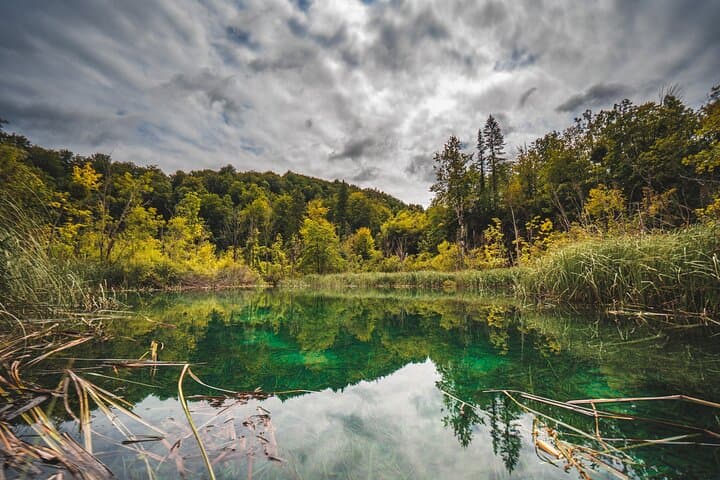
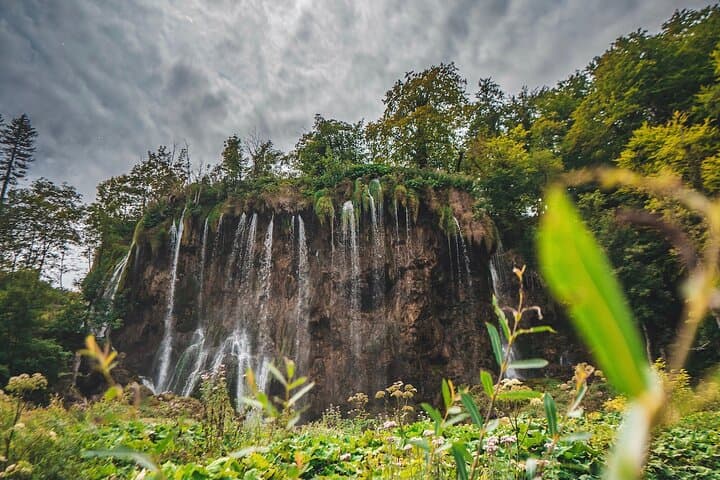
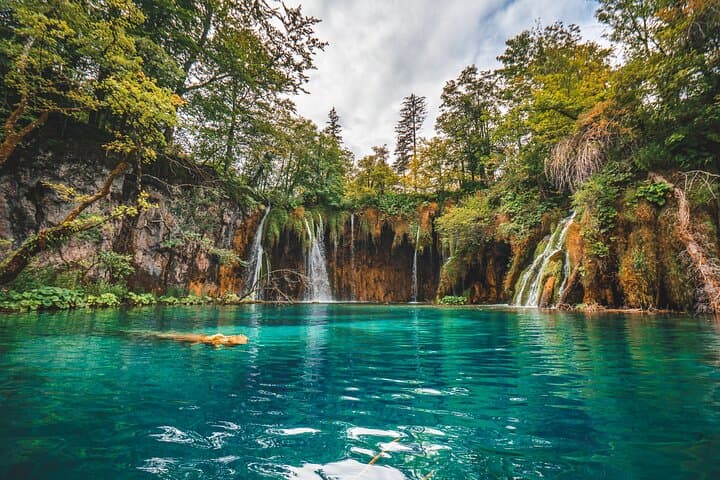
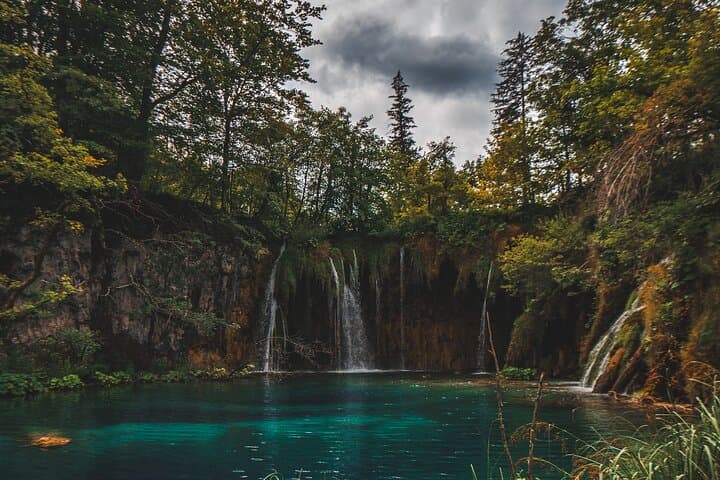
The bus eases out of Split at dawn and the road opens onto rolling karst fields; three hours later, Plitvice’s turquoise tiers appear like a stacked flash of water and limestone. Visitors step onto wide boardwalks that thread over clear pools, the air full of mist from cascading falls and the steady murmur of the park’s largest drop, Veliki Slap.
The bus eases out of Split at dawn and the road opens onto rolling karst fields; three hours later, Plitvice’s turquoise tiers appear like a stacked flash of water and limestone. Visitors step onto wide boardwalks that thread over clear pools, the air full of mist from cascading falls and the steady murmur of the park’s largest drop, Veliki Slap.
Plitvice Lakes National Park is a UNESCO World Heritage site known for 16 connected lakes formed by travertine dams. The geology is active: mineral-rich water deposits calcium carbonate, continually reshaping waterfalls and terraces. The park sits within Lika-Senj County, an area with a rural shepherding past and wartime history that shaped local settlements; today small villages supply traditional food at park entrances.
On this self-guided day, travelers combine walking with the park’s electric panoramic train and a short boat across Kozjak Lake, maximizing views while limiting uphill effort. Expect wooden boardwalks, stone steps, and occasional damp sections; trails loop through upper and lower lakes and converge at main viewpoint platforms.
Plan practically: arrive early to avoid summer lines, buy or reserve park tickets in advance when possible, and allow a full day—about 10–12 hours including travel from Split. Wear grippy shoes, carry water and a light rain shell, and respect marked paths to protect delicate travertine. Photography opportunities are constant but fleeting: light shifts fast over the falls. For most visitors, Plitvice delivers an accessible, high-reward nature day—wildwater energy that still feels curated for a single, memorable day out of Split.