THE ADVENTURE COLLECTIVE® · Independent discovery and booking for outdoor travel

A full-day private drive from Split to Kravice Falls, Mostar’s restored Stari Most and the pilgrimage town of Međugorje, capped with a family farm lunch and wine tasting. Expect short walks, a border crossing and seasonal swim options.
A full-day private drive from Split to Kravice Falls, Mostar’s restored Stari Most and the pilgrimage town of Međugorje, capped with a family farm lunch and wine tasting. Expect short walks, a border crossing and seasonal swim options.
You roll out of Split in a private shuttle and the coast gives way to karst fields: limestone ridges, scattered olive groves and rivers that seem to have minds of their own. By midmorning the Trebižat River is daring you — tumbled over travertine ledges at Kravice Falls, where semicircular cascades carve emerald pools into mossy stone.
Verified experiences and guided adventures in the surrounding area.
Operated by Private Tours Travel Agency · Split, Split-Dalmatia County
You roll out of Split in a private shuttle and the coast gives way to karst fields: limestone ridges, scattered olive groves and rivers that seem to have minds of their own. By midmorning the Trebižat River is daring you — tumbled over travertine ledges at Kravice Falls, where semicircular cascades carve emerald pools into mossy stone.
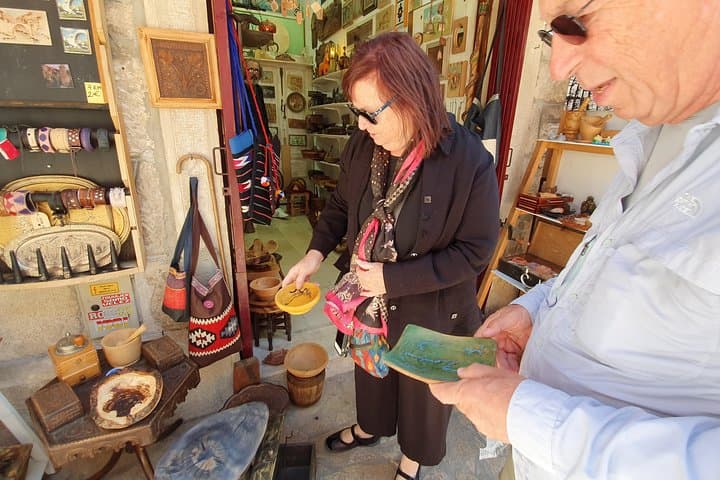
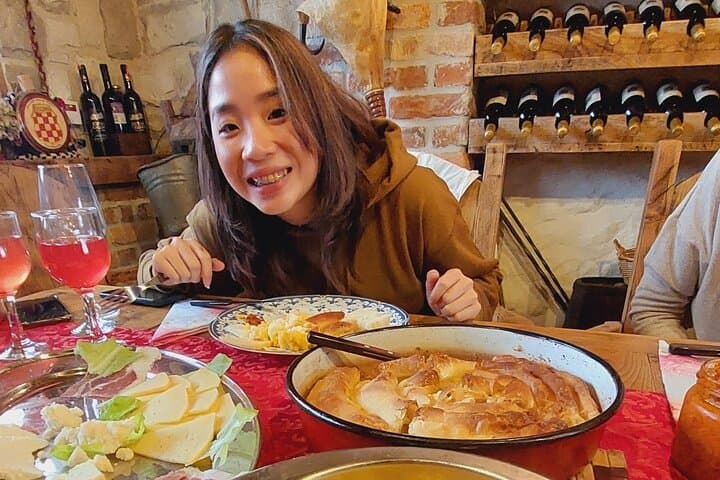
The route threads through layers of history. Mostar’s Stari Most, first built in the 16th century under Ottoman rule and spectacularly rebuilt after the 1990s conflict, arcs over the Neretva like a bridge between past and present. Nearby, Međugorje has been a magnet for modern pilgrims since reported apparitions in 1981; the hilltop stations and quiet alleys reflect a living devotional culture. Your hosts in Hardomilje open a farmhouse kitchen where organically grown produce and family recipes anchor a hands-on food experience — local wine from Rupčić cellars included.
Geologically the region is karst: underground channels, limestone cliffs and springs that feed sudden falls. Culturally it is layered — Ottoman, Austro-Hungarian and Yugoslav influences visible in architecture and food.
Practically: expect an 8–12 hour private day with hotel pickup in Split, passport checks at the Bosnia-Herzegovina border, a mix of short walks and standing time, and a swim option in summer. Wear stable shoes for wet rock, bring a light jacket for coastal-to-inland temperature shifts, carry local currency for small purchases, and allow time for a relaxed family lunch — it’s as much about people as place.
easy.
8–12 hours.
Suitable for most fitness levels — expect short moderate walks, standing and some steps; minimal hiking fitness required.
Visa requirements depend on your nationality — confirm with your embassy before travel; the operator requires you to verify visas prior to crossing.
Yes — listed as stroller-accessible and physically easy, but expect steps and short uneven paths at some stops.
Admission to Kravice Falls is included where specified; other site fees or donations (e.g., some pilgrimage sites) may be extra.
Communicate dietary needs when booking; hosts typically prepare traditional dishes and can adjust when informed in advance.
Stari Most (Old Bridge) was originally built in the 16th century during Ottoman rule and rebuilt in 2004 after war-time destruction; Međugorje became a major pilgrimage site after reported Marian apparitions in 1981.
Kravice’s delicate travertine formations are vulnerable to erosion and litter; visitors are encouraged to follow Leave No Trace, use marked paths and support local producers to sustain rural livelihoods.
Private Tours Travel Agency operates guided outdoor trips and adventures with an emphasis on safety, stewardship, and memorable experiences.
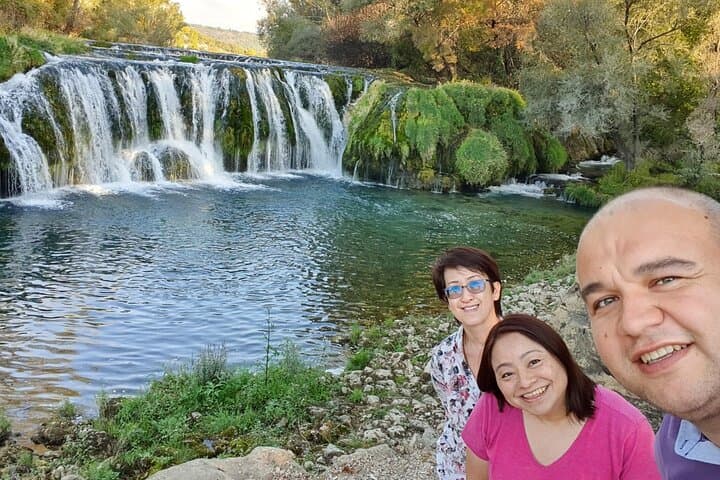

You roll out of Split in a private shuttle and the coast gives way to karst fields: limestone ridges, scattered olive groves and rivers that seem to have minds of their own. By midmorning the Trebižat River is daring you — tumbled over travertine ledges at Kravice Falls, where semicircular cascades carve emerald pools into mossy stone.
You roll out of Split in a private shuttle and the coast gives way to karst fields: limestone ridges, scattered olive groves and rivers that seem to have minds of their own. By midmorning the Trebižat River is daring you — tumbled over travertine ledges at Kravice Falls, where semicircular cascades carve emerald pools into mossy stone.
The route threads through layers of history. Mostar’s Stari Most, first built in the 16th century under Ottoman rule and spectacularly rebuilt after the 1990s conflict, arcs over the Neretva like a bridge between past and present. Nearby, Međugorje has been a magnet for modern pilgrims since reported apparitions in 1981; the hilltop stations and quiet alleys reflect a living devotional culture. Your hosts in Hardomilje open a farmhouse kitchen where organically grown produce and family recipes anchor a hands-on food experience — local wine from Rupčić cellars included.
Geologically the region is karst: underground channels, limestone cliffs and springs that feed sudden falls. Culturally it is layered — Ottoman, Austro-Hungarian and Yugoslav influences visible in architecture and food.
Practically: expect an 8–12 hour private day with hotel pickup in Split, passport checks at the Bosnia-Herzegovina border, a mix of short walks and standing time, and a swim option in summer. Wear stable shoes for wet rock, bring a light jacket for coastal-to-inland temperature shifts, carry local currency for small purchases, and allow time for a relaxed family lunch — it’s as much about people as place.