THE ADVENTURE COLLECTIVE® · Independent discovery and booking for outdoor travel

Cross the Gulf of Aqaba by ferry and spend a long day walking through Petra’s Siq to the rose-red Treasury. This full-day route blends sea travel, border transit, and hours of archaeological wonder—plan for long walks, steep viewpoints, and important paperwork.
Cross the Gulf of Aqaba by ferry and spend a long day walking through Petra’s Siq to the rose-red Treasury. This full-day route blends sea travel, border transit, and hours of archaeological wonder—plan for long walks, steep viewpoints, and important paperwork.
You step onto the ferry at Taba as the Gulf of Aqaba holds the sun like an open coin; the sea pushes you toward Jordan and a canyon that once hid a capital carved from living rock.
Verified experiences and guided adventures in the surrounding area.
Operated by FTS Travels · Wadi Musa, Ma'an Governorate
You step onto the ferry at Taba as the Gulf of Aqaba holds the sun like an open coin; the sea pushes you toward Jordan and a canyon that once hid a capital carved from living rock.
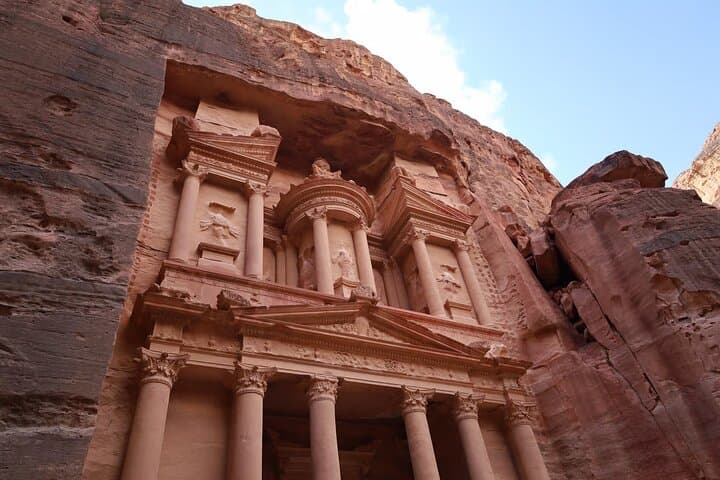
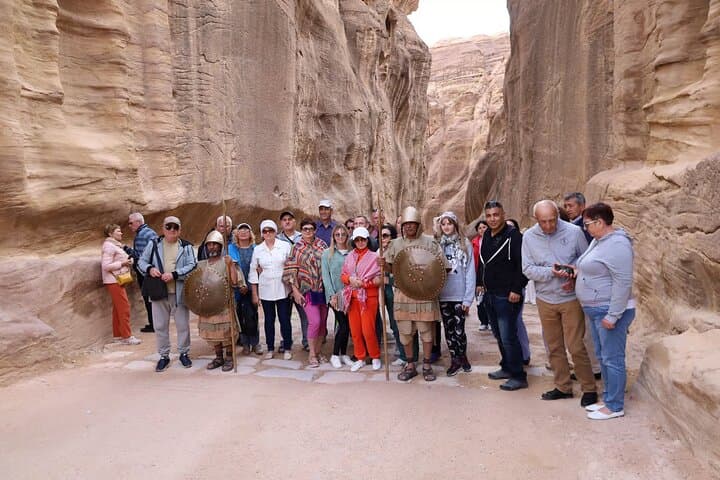
The route takes you through Sinai into northern Jordan and finally into Ma'an Governorate, where Petra unfolds from the Siq — a 1.2 km slot canyon — into the rose-colored face of Al Khazneh (the Treasury). The Nabateans began carving facades here in the 1st century BCE; over millennia wind and flash floods have polished and fractured the sandstone, producing the banded reds and creams you’ll see. Cultural layers pile up: Roman theaters, royal tombs, and Byzantine chapel traces sit within a landscape shaped by trade routes and seasonal water management.
Expect 3–6 km of walking to see the major monuments, with optional climbs (up to ~200–400 m elevation gain for higher viewpoints like the Monastery or High Place of Sacrifice). Terrain ranges from smooth stone-paved avenues to uneven carved steps and dusty tracks; sunscreen, steady footwear, and hydration are practical necessities. Time your visit early in the day to avoid peak heat and allow 2–3 hours at the core site; a paced exploration including lunch and transfers will be a long day — plan for 12–14 hours total.
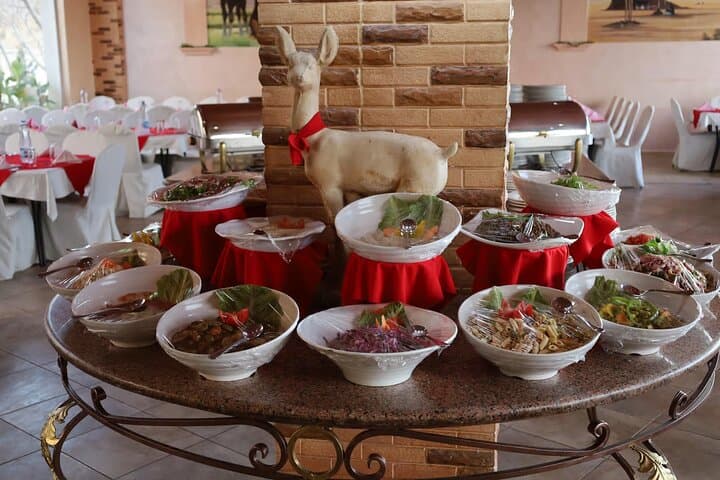
Local restaurants in Wadi Musa serve Mansaf and grilled mezze after a morning among columns and tombs. Respect local regulations and fragile rock surfaces, and carry a copy of your passport — cross-border procedures are part of the rhythm of this multi-country day trip.
moderate.
12–14 hours.
Comfortable walking fitness for multiple hours; able to manage uneven surfaces and optional steep ascents
Yes—this tour typically includes an entry visa to Jordan; confirm visa requirements for your nationality before travel and carry the passport used to book.
Expect 3–6 km round-trip to see the main sites; visiting higher viewpoints adds steep steps and up to 200–400 m of ascent.
Basic restrooms and snack stalls exist near the main visitor areas; more substantial restaurants are in nearby Wadi Musa where lunch is often served.
The tour is long and includes uneven terrain; short sections can be managed by many children, but mobility limitations make some viewpoints inaccessible without assistance.
Petra was the Nabatean capital and a crossroads of caravan routes; Roman annexation added colonnaded streets and theaters that sit beside earlier Nabatean rock-cut architecture.
Petra’s sandstone is vulnerable to erosion and tourist abrasion; follow marked paths, avoid touching fragile carvings, and support local guides who work with conservation programs.
FTS Travels operates guided outdoor trips and adventures with an emphasis on safety, stewardship, and memorable experiences.

You step onto the ferry at Taba as the Gulf of Aqaba holds the sun like an open coin; the sea pushes you toward Jordan and a canyon that once hid a capital carved from living rock.
You step onto the ferry at Taba as the Gulf of Aqaba holds the sun like an open coin; the sea pushes you toward Jordan and a canyon that once hid a capital carved from living rock.
The route takes you through Sinai into northern Jordan and finally into Ma'an Governorate, where Petra unfolds from the Siq — a 1.2 km slot canyon — into the rose-colored face of Al Khazneh (the Treasury). The Nabateans began carving facades here in the 1st century BCE; over millennia wind and flash floods have polished and fractured the sandstone, producing the banded reds and creams you’ll see. Cultural layers pile up: Roman theaters, royal tombs, and Byzantine chapel traces sit within a landscape shaped by trade routes and seasonal water management.
Expect 3–6 km of walking to see the major monuments, with optional climbs (up to ~200–400 m elevation gain for higher viewpoints like the Monastery or High Place of Sacrifice). Terrain ranges from smooth stone-paved avenues to uneven carved steps and dusty tracks; sunscreen, steady footwear, and hydration are practical necessities. Time your visit early in the day to avoid peak heat and allow 2–3 hours at the core site; a paced exploration including lunch and transfers will be a long day — plan for 12–14 hours total.
Local restaurants in Wadi Musa serve Mansaf and grilled mezze after a morning among columns and tombs. Respect local regulations and fragile rock surfaces, and carry a copy of your passport — cross-border procedures are part of the rhythm of this multi-country day trip.