THE ADVENTURE COLLECTIVE® · Independent discovery and booking for outdoor travel

Pair close-up encounters with ancient ritual and an easy paddle on the Nile. This half-day combines a guided look inside Luxor Museum, a practical mummification session, and a leisurely kayak that reframes the city from the river.
Pair close-up encounters with ancient ritual and an easy paddle on the Nile. This half-day combines a guided look inside Luxor Museum, a practical mummification session, and a leisurely kayak that reframes the city from the river.
Dawn light slips over the Nile as you step into Luxor’s slow-moving current—first inside cool museum galleries, then onto the water where the river pulls the city into motion.
Verified experiences and guided adventures in the surrounding area.
Operated by Luxor Taxi - DayTour · Luxor, Luxor Governorate
Dawn light slips over the Nile as you step into Luxor’s slow-moving current—first inside cool museum galleries, then onto the water where the river pulls the city into motion.
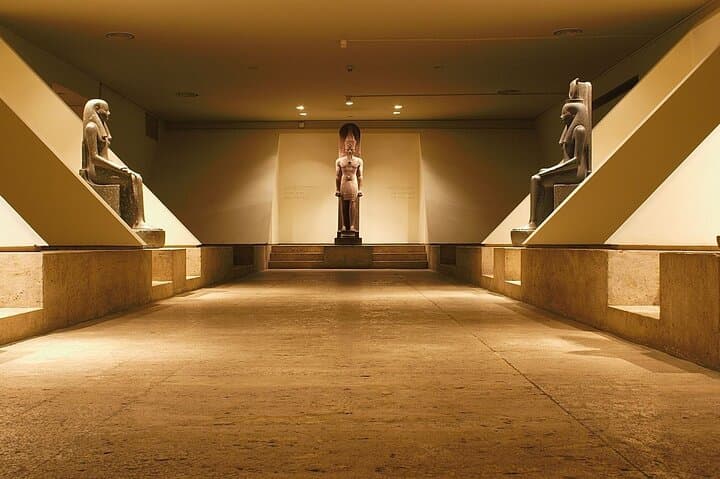
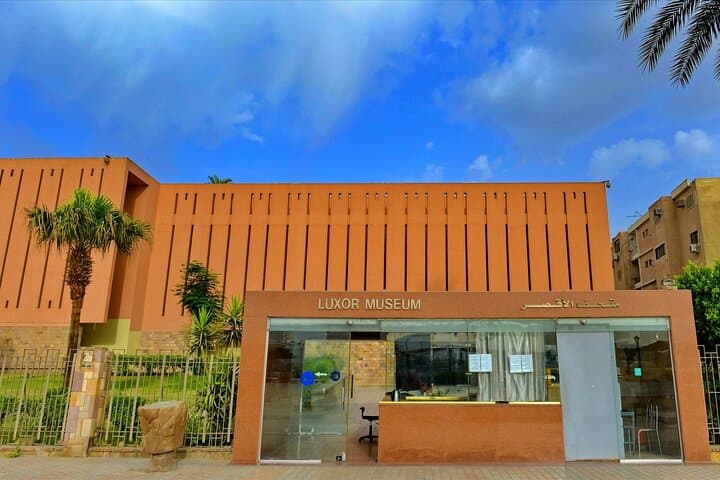
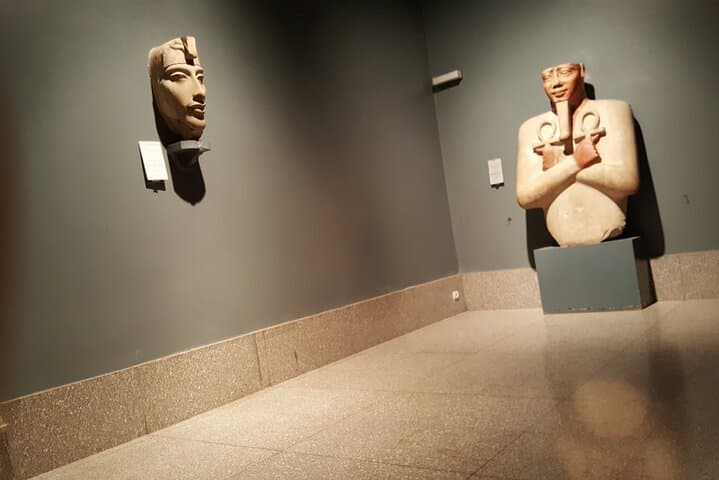
The experience begins at the Luxor Museum, a compact collection that highlights local finds from the New Kingdom and artifacts associated with Tutankhamun. A guided explanation of mummification follows, laying out the ritual steps, canopic jars, and religious symbolism that anchored ancient Egyptian beliefs about the afterlife. Geologically, you’ll notice why the Nile valley supported pharaonic civilization: annual silt deposits and a narrow fertile ribbon between desert escarpments.
Culturally, the day bridges two faces of Luxor: the reverent, temple-lined east bank and the funerary hills of the west. From a kayak on the Nile you’ll see the city’s landmarks from an uncommon angle—temple facades, ferry crossings, and palm-fringed riverbanks—while the current nudges you downstream and gives a sense of how the river once dictated travel and trade.
Practical guidance: the full activity runs about 3–4 hours with roughly two hours of paddling (expect 4–6 km of gentle kayaking). Museum admission may be separate—carry ID and some cash. Sunscreen, a hat, and a light wind layer are useful; footwear should be easy to remove for the kayak. The operator provides gear, a safety briefing, and hotel pickup, making this a good half-day mix of culture and low-impact outdoor activity.
moderate.
3–4 hours.
Suitable for travelers in average physical condition able to paddle for up to two hours and walk through museum galleries.
Museum admission is typically not included—confirm with the operator and carry identification and local currency for entrance fees.
The paddle is leisurely and guided; expect up to two hours of light to moderate paddling suitable for beginners after a safety briefing.
You may get splashed but full immersion is unlikely; wear quick-dry clothing and water-friendly shoes to be comfortable.
The session is educational and typically presented in a factual way, but content can be sensitive—check with the guide if traveling with young children.
Luxor grew from the ancient city of Thebes, a political and religious capital of the New Kingdom; many artifacts in the museum come from nearby temples and tombs.
Respect riverside vegetation and avoid littering; operators often encourage bringing reusable bottles and minimizing sunscreen runoff.
Luxor Taxi - DayTour operates guided outdoor trips and adventures with an emphasis on safety, stewardship, and memorable experiences.

Dawn light slips over the Nile as you step into Luxor’s slow-moving current—first inside cool museum galleries, then onto the water where the river pulls the city into motion.
Dawn light slips over the Nile as you step into Luxor’s slow-moving current—first inside cool museum galleries, then onto the water where the river pulls the city into motion.
The experience begins at the Luxor Museum, a compact collection that highlights local finds from the New Kingdom and artifacts associated with Tutankhamun. A guided explanation of mummification follows, laying out the ritual steps, canopic jars, and religious symbolism that anchored ancient Egyptian beliefs about the afterlife. Geologically, you’ll notice why the Nile valley supported pharaonic civilization: annual silt deposits and a narrow fertile ribbon between desert escarpments.
Culturally, the day bridges two faces of Luxor: the reverent, temple-lined east bank and the funerary hills of the west. From a kayak on the Nile you’ll see the city’s landmarks from an uncommon angle—temple facades, ferry crossings, and palm-fringed riverbanks—while the current nudges you downstream and gives a sense of how the river once dictated travel and trade.
Practical guidance: the full activity runs about 3–4 hours with roughly two hours of paddling (expect 4–6 km of gentle kayaking). Museum admission may be separate—carry ID and some cash. Sunscreen, a hat, and a light wind layer are useful; footwear should be easy to remove for the kayak. The operator provides gear, a safety briefing, and hotel pickup, making this a good half-day mix of culture and low-impact outdoor activity.