THE ADVENTURE COLLECTIVE® · Independent discovery and booking for outdoor travel

Spend a full day moving from Sarandë’s coastal lookout at Lekuresi to the karst brilliance of the Blue Eye, then into the stone streets and castle of Gjirokastër. This guided circuit pairs sweeping coastal views with intimate cultural stops and short walks.
Spend a full day moving from Sarandë’s coastal lookout at Lekuresi to the karst brilliance of the Blue Eye, then into the stone streets and castle of Gjirokastër. This guided circuit pairs sweeping coastal views with intimate cultural stops and short walks.
You step out of an air-conditioned van onto the flagstones above Sarandë and the Ionian leans into view—olive-grey water that seems to push the town toward the horizon.
Verified experiences and guided adventures in the surrounding area.
Operated by Open Tour Albania · Sarandë, Vlorë County
You step out of an air-conditioned van onto the flagstones above Sarandë and the Ionian leans into view—olive-grey water that seems to push the town toward the horizon.
The morning at Lekuresi Castle starts with that wide coastal sweep: low stone ramparts and a view that frames Ksamil’s white-sand islets like scattered coins. The guide traces the coastline while the crumbling castle walls keep a patient watch—this is a place where maritime trade and the threat of pirate raids shaped local life.
The route then climbs inland to the Blue Eye, a karst spring whose crystal depth looks impossibly blue; the water issues from limestone caves, a product of the region’s folded geology and underground drainage. You may walk a short forest trail or take a tourist train to the spring, tasting the cool air heavy with plane trees.
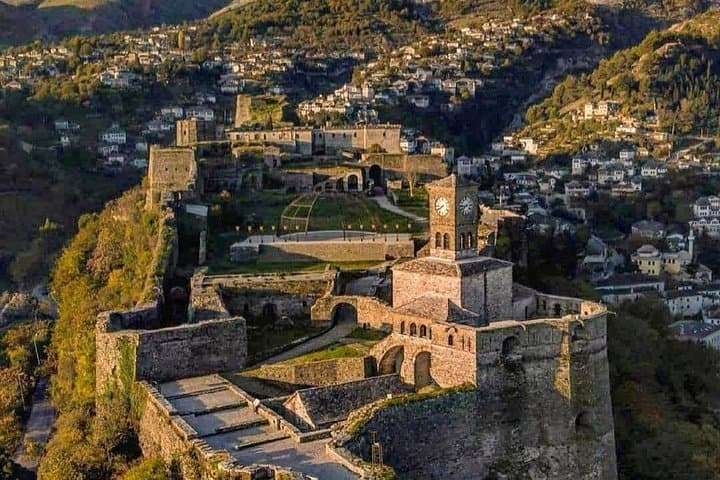
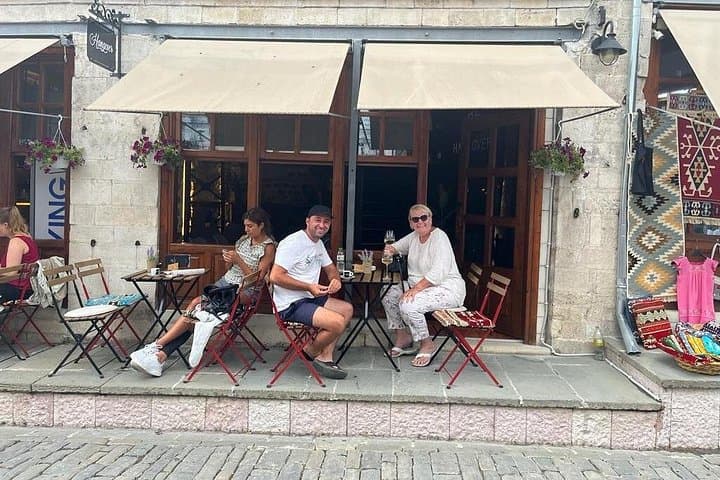
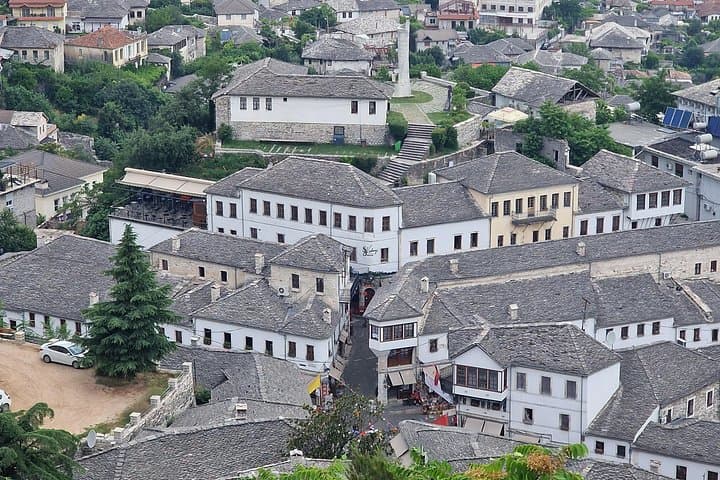
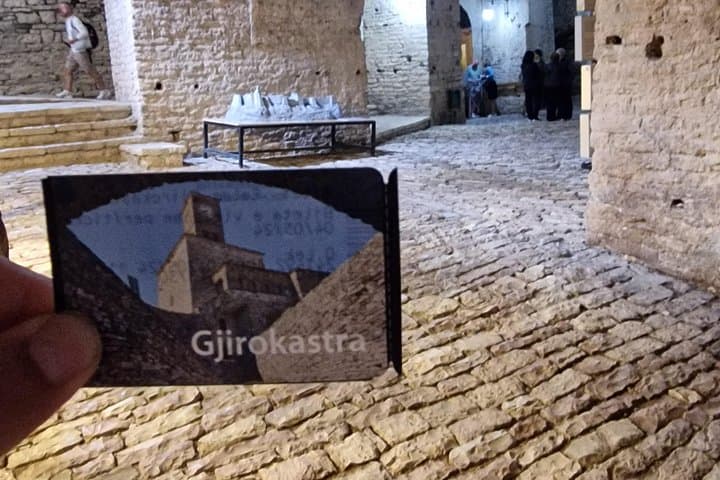
Afternoon brings UNESCO-listed Gjirokastër, a town of stone roofs and Ottoman-era houses stacked on a slope. The castle’s cannons and old prisons tell a 20th-century story of conflict and resilience; downstairs, the bazaar offers qifqi rice balls and oshaf, local specialties you can try while browsing handcrafts.
Practical guidance: expect 7–8 hours, moderate fitness, and uneven paths at sites. Bring water, sun protection and comfortable footwear; a short train or 20-minute walk connects the Blue Eye access point to the spring. The trip blends coastal panoramas, karst hydrology and textured cultural history—compact but varied, with frequent photo opportunities and brief walking sections between sights.
moderate.
7–8 hours.
Moderate fitness: able to handle short hikes of 15–30 minutes, standing and walking on uneven ground throughout the day.
The tour runs about 7–8 hours with several stops: Lekuresi viewpoint, the Blue Eye (about 1–2 hours on site), Gjirokastër castle, and free time at the bazaar.
The tour includes an entry fee for the Blue Eye; follow the guide’s directions for the shortest access route.
Infants can join but must sit on laps; the itinerary includes short walks and some uneven surfaces, so consider stroller limitations.
Yes—round-trip transfers from central Sarandë in an air-conditioned van are included.
Gjirokastër’s stone-built houses and fortress reflect Ottoman-era urban planning; the town is a UNESCO World Heritage Site for its preserved vernacular architecture.
The Blue Eye is a fragile karst spring—stick to designated paths, avoid littering, and follow local rules to limit human impact on the aquifer.
Open Tour Albania operates guided outdoor trips and adventures with an emphasis on safety, stewardship, and memorable experiences.
You step out of an air-conditioned van onto the flagstones above Sarandë and the Ionian leans into view—olive-grey water that seems to push the town toward the horizon.
You step out of an air-conditioned van onto the flagstones above Sarandë and the Ionian leans into view—olive-grey water that seems to push the town toward the horizon.
The morning at Lekuresi Castle starts with that wide coastal sweep: low stone ramparts and a view that frames Ksamil’s white-sand islets like scattered coins. The guide traces the coastline while the crumbling castle walls keep a patient watch—this is a place where maritime trade and the threat of pirate raids shaped local life.
The route then climbs inland to the Blue Eye, a karst spring whose crystal depth looks impossibly blue; the water issues from limestone caves, a product of the region’s folded geology and underground drainage. You may walk a short forest trail or take a tourist train to the spring, tasting the cool air heavy with plane trees.
Afternoon brings UNESCO-listed Gjirokastër, a town of stone roofs and Ottoman-era houses stacked on a slope. The castle’s cannons and old prisons tell a 20th-century story of conflict and resilience; downstairs, the bazaar offers qifqi rice balls and oshaf, local specialties you can try while browsing handcrafts.
Practical guidance: expect 7–8 hours, moderate fitness, and uneven paths at sites. Bring water, sun protection and comfortable footwear; a short train or 20-minute walk connects the Blue Eye access point to the spring. The trip blends coastal panoramas, karst hydrology and textured cultural history—compact but varied, with frequent photo opportunities and brief walking sections between sights.