THE ADVENTURE COLLECTIVE® · Independent discovery and booking for outdoor travel

Trace pharaonic ruins from Giza to Luxor, glide the Nile on a multi‑night cruise and sleep beneath sculpted white chalk in the Sahara. This 10‑day program combines must‑see antiquities with a river and desert journey.
Trace pharaonic ruins from Giza to Luxor, glide the Nile on a multi‑night cruise and sleep beneath sculpted white chalk in the Sahara. This 10‑day program combines must‑see antiquities with a river and desert journey.
You arrive at dawn on the Giza Plateau and the air already tastes of sand and diesel; the Pyramids cut the skyline like weathered teeth while the Nile waits downstream, slow and insistent, daring you to follow its bend south.
Verified experiences and guided adventures in the surrounding area.
Operated by Luxor Travels · Giza, Cairo Governorate
You arrive at dawn on the Giza Plateau and the air already tastes of sand and diesel; the Pyramids cut the skyline like weathered teeth while the Nile waits downstream, slow and insistent, daring you to follow its bend south.
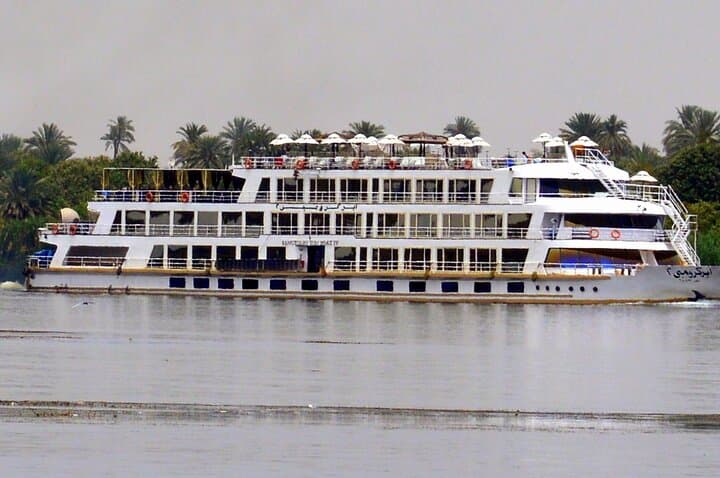
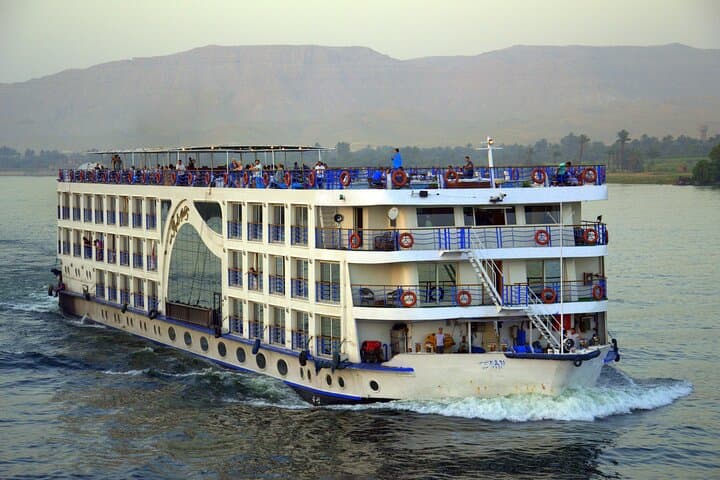
This 9‑night, 10‑day itinerary stitches classical Egyptology to riverborne travel and desert camping: Cairo’s Egyptian Museum and Giza Plateau give way to domestic flights and a 3‑night, 4‑day Nile cruise calling at Philae, Kom Ombo and Edfu. Luxor’s West Bank—Valley of the Kings, Hatshepsut, Colossi of Memnon—and Karnak complete the ancient route before a desert safari to Bahariya and the chalk cliffs of the White Desert, where wind and time have sculpted otherworldly forms.
Geology and history intersect here: limestone plateaus and Nile silt created the agricultural ribbon that fed pharaonic civilization; sandstone and granite labs were hewn into temples aligned with solar rites. Local culture is present at every step—Egyptologist guides narrate, markets trade spices and small notes for baksheesh are expected.
Practicalities matter: daytime heat can spike above 35°C; mornings are the best time to tour tombs and temples. Expect easy walking on uneven stone, short climbs at temple terraces, and one night under canvas in simple desert camps. Carry sun protection, a reusable water bottle with electrolytes, and comfortable closed-toe shoes. Bring photocopies of your passport and leave fragile photography gear secured on boats during short shore visits. Pace your sightseeing—early starts and siesta windows keep the day manageable and memorable.
moderate.
9–10 days.
Suitable for travelers in average fitness: involves multiple days of walking on uneven stone, short stair climbs and one overnight desert camp.
Most entrance fees listed in the itinerary and the domestic flights shown are included; optional extras such as Tutankhamun's tomb or private upgrades may be paid on site.
The tour is graded moderate: daily walking over uneven surfaces and some stairs, but no technical demands—suitable for travelers comfortable with multi‑hour days of sightseeing.
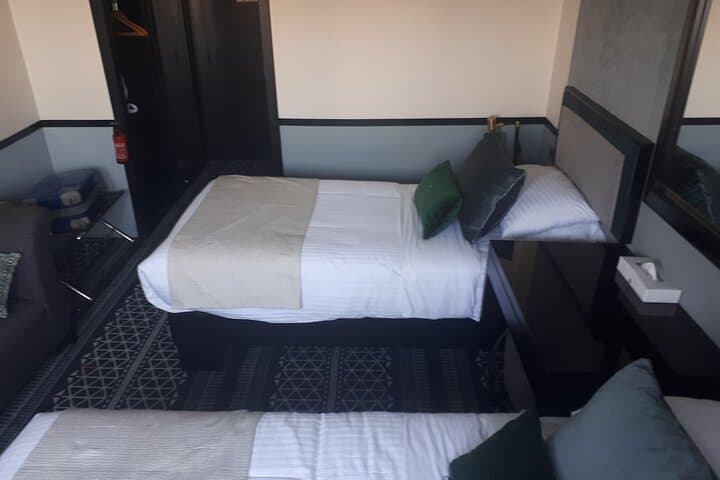
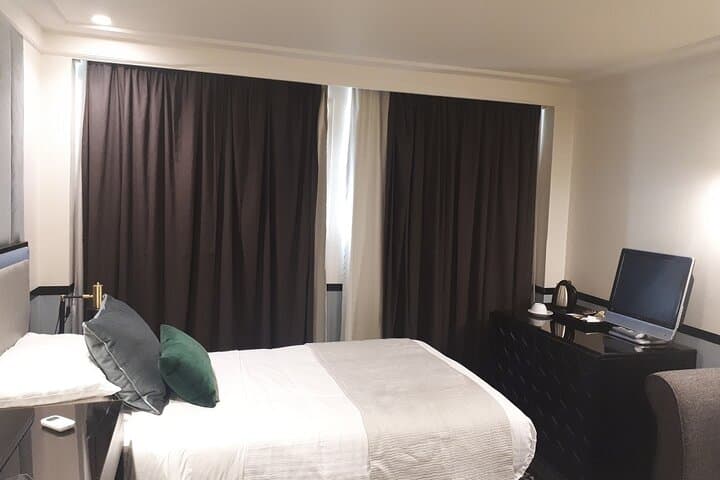
Desert camping is simple: canvas tents or berber‑style shelters with basic bedding; expect cold nights in winter and shared facilities in some camps.
Visa requirements vary by nationality—many travelers obtain visas on arrival or e‑visa before travel; confirm requirements and passport validity well in advance.
The Nile Valley shaped pharaonic civilization; temples and tombs here record rituals, kingship and solar cycles across millennia.
Tour operators and sites encourage minimal impact—stay on marked paths, avoid touching reliefs, conserve water, and pack out trash from desert camps.
Luxor Travels operates guided outdoor trips and adventures with an emphasis on safety, stewardship, and memorable experiences.
You arrive at dawn on the Giza Plateau and the air already tastes of sand and diesel; the Pyramids cut the skyline like weathered teeth while the Nile waits downstream, slow and insistent, daring you to follow its bend south.
You arrive at dawn on the Giza Plateau and the air already tastes of sand and diesel; the Pyramids cut the skyline like weathered teeth while the Nile waits downstream, slow and insistent, daring you to follow its bend south.
This 9‑night, 10‑day itinerary stitches classical Egyptology to riverborne travel and desert camping: Cairo’s Egyptian Museum and Giza Plateau give way to domestic flights and a 3‑night, 4‑day Nile cruise calling at Philae, Kom Ombo and Edfu. Luxor’s West Bank—Valley of the Kings, Hatshepsut, Colossi of Memnon—and Karnak complete the ancient route before a desert safari to Bahariya and the chalk cliffs of the White Desert, where wind and time have sculpted otherworldly forms.
Geology and history intersect here: limestone plateaus and Nile silt created the agricultural ribbon that fed pharaonic civilization; sandstone and granite labs were hewn into temples aligned with solar rites. Local culture is present at every step—Egyptologist guides narrate, markets trade spices and small notes for baksheesh are expected.
Practicalities matter: daytime heat can spike above 35°C; mornings are the best time to tour tombs and temples. Expect easy walking on uneven stone, short climbs at temple terraces, and one night under canvas in simple desert camps. Carry sun protection, a reusable water bottle with electrolytes, and comfortable closed-toe shoes. Bring photocopies of your passport and leave fragile photography gear secured on boats during short shore visits. Pace your sightseeing—early starts and siesta windows keep the day manageable and memorable.