THE ADVENTURE COLLECTIVE® · Independent discovery and booking for outdoor travel

Cross Lake Titicaca, climb the steps of Isla del Sol, explore La Paz’s Valley of the Moon, and stand on the endless white of Salar de Uyuni across a five-day journey. Expect high-altitude scenery, long bus transfers, and unforgettable photographic moments.
Cross Lake Titicaca, climb the steps of Isla del Sol, explore La Paz’s Valley of the Moon, and stand on the endless white of Salar de Uyuni across a five-day journey. Expect high-altitude scenery, long bus transfers, and unforgettable photographic moments.
A pre-dawn bus pulls out of Puno and the high-altitude air is thin and bright; Lake Titicaca slips by in a long, silver edge and the Cordillera Real holds the skyline like a distant spine. Over five days the route folds through Copacabana and Isla del Sol, threads La Paz’s lunar badlands, then crosses night buses into the pale, flat world of Salar de Uyuni.
Verified experiences and guided adventures in the surrounding area.
Operated by IZI PERU · Puno, Puno Region
A pre-dawn bus pulls out of Puno and the high-altitude air is thin and bright; Lake Titicaca slips by in a long, silver edge and the Cordillera Real holds the skyline like a distant spine. Over five days the route folds through Copacabana and Isla del Sol, threads La Paz’s lunar badlands, then crosses night buses into the pale, flat world of Salar de Uyuni.
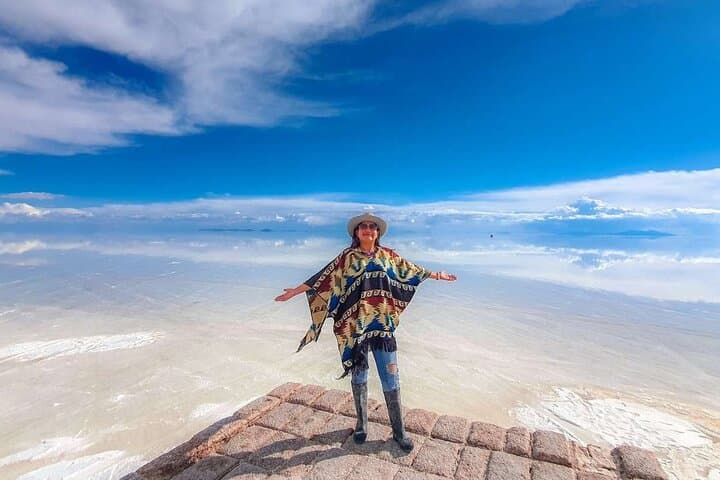
This itinerary stitches together Inca footholds and industrial relics: Pilkokaina and the Yumani stairways on Isla del Sol recall pilgrimage and ritual; the Train Cemetery outside Uyuni marks a boom-and-bust mining era from the late 19th century. Geologically, the salar is a remnant of prehistoric Lake Minchin—salt crust that alternates between reflective mirror in the rainy months and blinding white desert in the dry season. Cultural life along the way is Quechua and Aymara; markets, ritual offerings to Pachamama, and artisanal salt work in Colchani are living practices, not showpieces.
Practical guidance is simple: allow time to acclimatize in Puno or Copacabana, expect long bus legs (one overnight La Paz–Uyuni) and short walks at archaeological sites and Incahuasi (Fish Island). Bring strong sun protection and layered clothing for broad temperature swings, and protect camera gear from corrosive salt. Plan hotel nights in Copacabana and La Paz and a full day with a 4x4 in the salar—sunrise or late afternoon light makes the landscape most photographic. The trip is low on technical difficulty but high in altitude and logistics—respect both.
easy.
5 days.
Suitable for travelers in average fitness; walking is short but altitude demands good breathing and no heavy exertion initially.
You must carry a valid passport to cross into Bolivia; visa requirements vary by nationality—check with consulates before travel.
Puno, La Paz and Uyuni are all above 3,500 m; common symptoms include headache and shortness of breath—allow acclimatization time and hydrate.
Major connections (Puno–Copacabana–La Paz) are on paved roads, but excursions around Uyuni use 4x4 tracks and some unpaved segments.
The itinerary includes some breakfasts and hotel nights in Copacabana and La Paz; expect basic local hotels and at least two bus overnight trips.
The salar sits atop a former Pleistocene lake; the region’s rail relics reflect a late-19th-century mining boom that reshaped local economies.
Tourism in the salar is growing—minimize plastic, stick to established tracks on the flats, and support local guides and communities to reduce environmental impact.
IZI PERU operates guided outdoor trips and adventures with an emphasis on safety, stewardship, and memorable experiences.

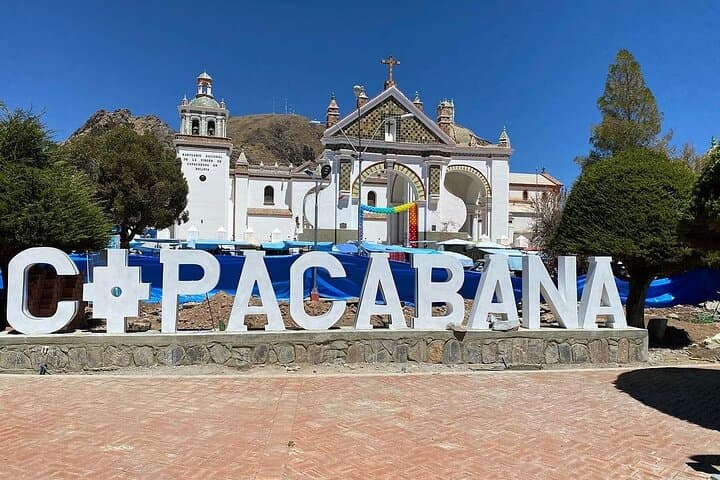

A pre-dawn bus pulls out of Puno and the high-altitude air is thin and bright; Lake Titicaca slips by in a long, silver edge and the Cordillera Real holds the skyline like a distant spine. Over five days the route folds through Copacabana and Isla del Sol, threads La Paz’s lunar badlands, then crosses night buses into the pale, flat world of Salar de Uyuni.
A pre-dawn bus pulls out of Puno and the high-altitude air is thin and bright; Lake Titicaca slips by in a long, silver edge and the Cordillera Real holds the skyline like a distant spine. Over five days the route folds through Copacabana and Isla del Sol, threads La Paz’s lunar badlands, then crosses night buses into the pale, flat world of Salar de Uyuni.
This itinerary stitches together Inca footholds and industrial relics: Pilkokaina and the Yumani stairways on Isla del Sol recall pilgrimage and ritual; the Train Cemetery outside Uyuni marks a boom-and-bust mining era from the late 19th century. Geologically, the salar is a remnant of prehistoric Lake Minchin—salt crust that alternates between reflective mirror in the rainy months and blinding white desert in the dry season. Cultural life along the way is Quechua and Aymara; markets, ritual offerings to Pachamama, and artisanal salt work in Colchani are living practices, not showpieces.
Practical guidance is simple: allow time to acclimatize in Puno or Copacabana, expect long bus legs (one overnight La Paz–Uyuni) and short walks at archaeological sites and Incahuasi (Fish Island). Bring strong sun protection and layered clothing for broad temperature swings, and protect camera gear from corrosive salt. Plan hotel nights in Copacabana and La Paz and a full day with a 4x4 in the salar—sunrise or late afternoon light makes the landscape most photographic. The trip is low on technical difficulty but high in altitude and logistics—respect both.