THE ADVENTURE COLLECTIVE® · Independent discovery and booking for outdoor travel

Leave Nagoya for a full-day loop through central Japan: a Kamakura-era temple, sweeping river gorges, and two preserved Nakasendō post towns. Expect short hikes, cobbled streets, and a strong sense of Edo-period travel.
Leave Nagoya for a full-day loop through central Japan: a Kamakura-era temple, sweeping river gorges, and two preserved Nakasendō post towns. Expect short hikes, cobbled streets, and a strong sense of Edo-period travel.
A low morning sun hits the glass of Nagoya Station as the coach eases onto the highway and the city’s edges give way to rice paddies and cedar forest.
Verified experiences and guided adventures in the surrounding area.
Operated by VIP Japan Tours · Nagoya, Aichi
A low morning sun hits the glass of Nagoya Station as the coach eases onto the highway and the city’s edges give way to rice paddies and cedar forest.
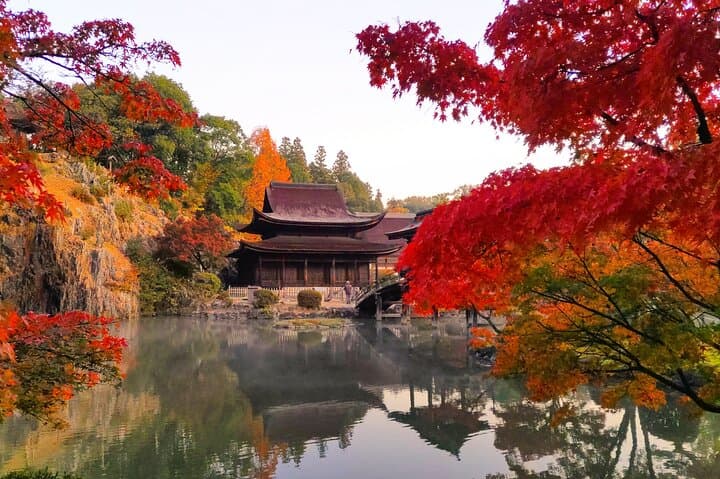
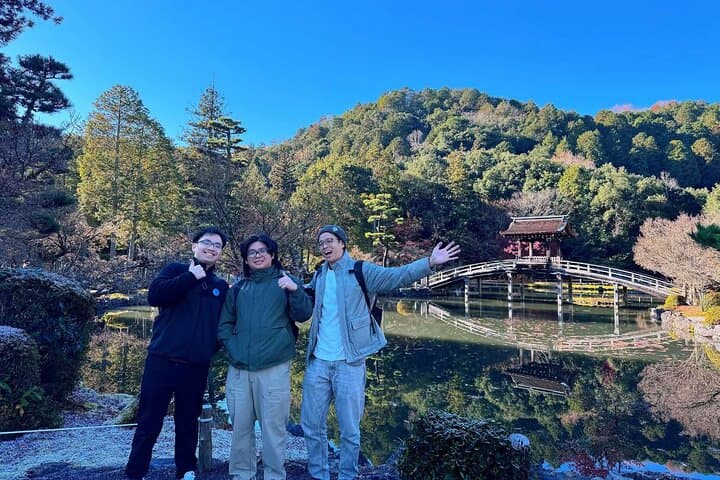
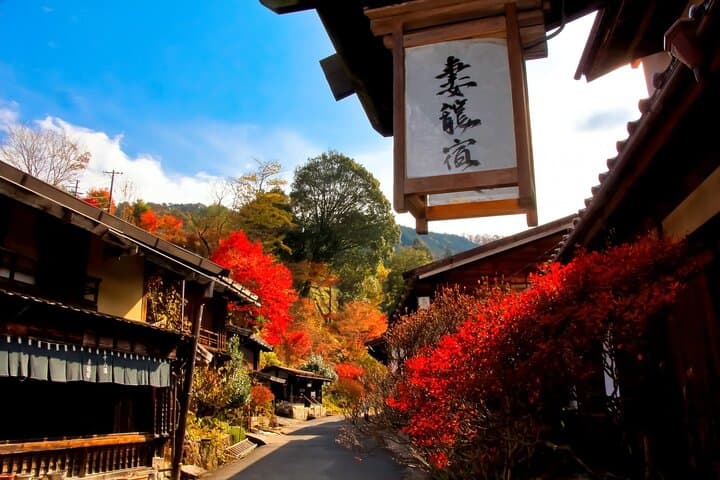
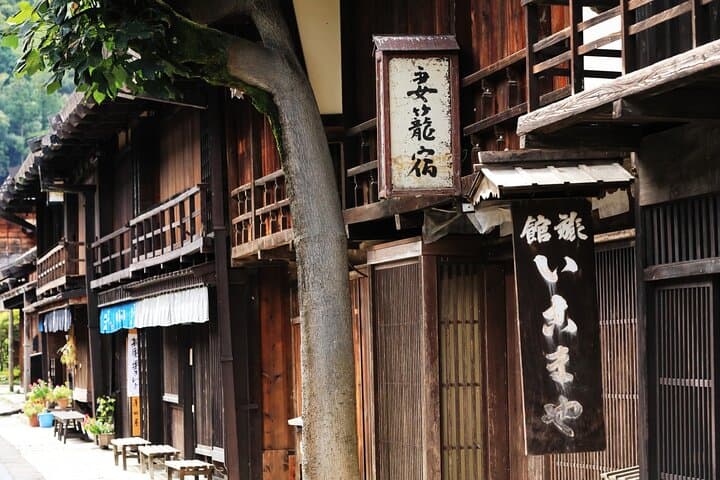
Within an hour you’re stepping from the bus into the hush of Eihō-ji, a Kamakura-period Rinzai temple where two wooden halls are National Treasures and moss-lined gardens demand slow footsteps. Later the road carves into Ena Gorge, where the river forces granite into tight turns and overlooks on the Enakyo Observatory frame the bend of the water below. By mid-afternoon the tour folds into Magome and Tsumago — post towns on the old Nakasendō — where cobbled lanes and wooden shopfronts offer a tangible line to Edo-period travel.
The route is as much cultural geography as sightseeing: the Nakasendō once linked Kyoto and Edo, guest houses (honjin) and artisan stalls served weary travelers, and local preservation efforts have kept these streets largely unchanged since 1976. Geologically, the Kiso and Ena areas are sculpted by river incision into volcanic and metamorphic rock, producing steep valley walls and pocketed viewpoints.
Practical notes: this is a full-day, 9–10 hour coach tour with guided stops. Expect short to moderate walks on uneven cobbles and a few steep temple slopes; bring sturdy shoes, cash for snacks and souvenirs, and layers for changing mountain air. The bus departs promptly from Nagoya Station; luggage must fit the trunk limits. Suitable for most fitness levels and ideal for travelers wanting a single-day immersion in central Japan’s history and landscape.
easy.
9–10 hours.
Suitable for most travelers with basic mobility; involves short walks and some slopes.
The tour meets and returns to Nagoya Station (VIP LINER Bus Stop); confirm the exact meeting location before departure.
Walking at each stop ranges from short strolls to moderate uphill sections—suitable for most fitness levels but not for those needing continuous mobility assistance.
Yes; entrance fees and an English- or Chinese-speaking guide are included, as well as coach transportation.
One piece of luggage per person is allowed in the coach trunk within a combined maximum of 155 cm; items stored in the trunk aren’t accessible during stops.
Magome and Tsumago were formal post towns on the Nakasendō connecting Edo and Kyoto; Tsumago was designated a Preservation District for Important Traditional Structures in 1976.
Local residents actively manage preservation in the post towns to protect historic architecture; visitors are asked to respect signposted areas and minimize noise and litter.
VIP Japan Tours operates guided outdoor trips and adventures with an emphasis on safety, stewardship, and memorable experiences.
A low morning sun hits the glass of Nagoya Station as the coach eases onto the highway and the city’s edges give way to rice paddies and cedar forest.
A low morning sun hits the glass of Nagoya Station as the coach eases onto the highway and the city’s edges give way to rice paddies and cedar forest.
Within an hour you’re stepping from the bus into the hush of Eihō-ji, a Kamakura-period Rinzai temple where two wooden halls are National Treasures and moss-lined gardens demand slow footsteps. Later the road carves into Ena Gorge, where the river forces granite into tight turns and overlooks on the Enakyo Observatory frame the bend of the water below. By mid-afternoon the tour folds into Magome and Tsumago — post towns on the old Nakasendō — where cobbled lanes and wooden shopfronts offer a tangible line to Edo-period travel.
The route is as much cultural geography as sightseeing: the Nakasendō once linked Kyoto and Edo, guest houses (honjin) and artisan stalls served weary travelers, and local preservation efforts have kept these streets largely unchanged since 1976. Geologically, the Kiso and Ena areas are sculpted by river incision into volcanic and metamorphic rock, producing steep valley walls and pocketed viewpoints.
Practical notes: this is a full-day, 9–10 hour coach tour with guided stops. Expect short to moderate walks on uneven cobbles and a few steep temple slopes; bring sturdy shoes, cash for snacks and souvenirs, and layers for changing mountain air. The bus departs promptly from Nagoya Station; luggage must fit the trunk limits. Suitable for most fitness levels and ideal for travelers wanting a single-day immersion in central Japan’s history and landscape.