THE ADVENTURE COLLECTIVE® · Independent discovery and booking for outdoor travel

See El Castillo at Chichen Itzá before the midday crowds, then cool off in the blue shaft of Ik-kil cenote. This guided day trip from Mérida blends major archaeological highlights with a classic cenote swim and practical logistics for a long but accessible day.
See El Castillo at Chichen Itzá before the midday crowds, then cool off in the blue shaft of Ik-kil cenote. This guided day trip from Mérida blends major archaeological highlights with a classic cenote swim and practical logistics for a long but accessible day.
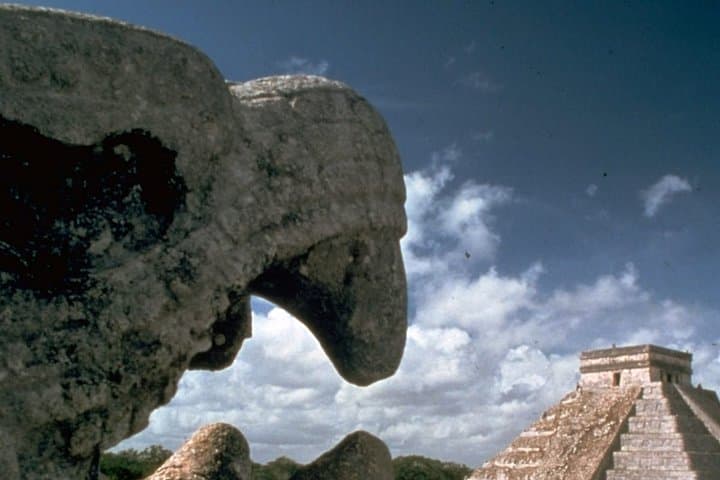
You arrive before the crowds as the sun pries light across the low Yucatán plain. The stone face of El Castillo sits square and precise against a high sky, its shadowed steps daring you to climb history. Later, vines frame a blue circle of water at Cenote Ik-kil — the cave drops like an open throat and the water pulls you in with cool insistence.
Verified experiences and guided adventures in the surrounding area.
Operated by H.I.S. México · Pisté, Yucatán
You arrive before the crowds as the sun pries light across the low Yucatán plain. The stone face of El Castillo sits square and precise against a high sky, its shadowed steps daring you to climb history. Later, vines frame a blue circle of water at Cenote Ik-kil — the cave drops like an open throat and the water pulls you in with cool insistence.
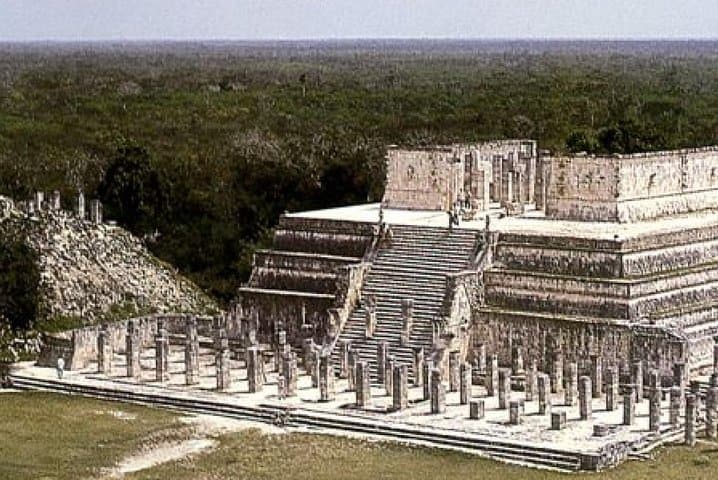
Chichen Itzá grew into prominence between the 7th and 10th centuries and shows a striking Toltec–Maya fusion: the Kukulkán pyramid, the great ball court, and the Caracol observatory each speak to astronomy, ritual and regional power. Geologically the region is limestone karst; cenotes are collapsed roof caves revealing the groundwater below — Ik-kil’s vertical shaft and hanging vegetation are classic examples.
Expect a guided, full-day rhythm: roughly two hours at the archaeological zone, then lunch and about 45 minutes for swimming at Ik-kil. The round-trip from Mérida runs 9–10 hours; transportation and entrance fees are included, but small on-site costs apply (locker ≈ $3 USD, life jacket rental ≈ $2 USD, camera fee at the ruins ~45 MXN).
Practical edge: wear sturdy, breathable shoes for uneven stone and bring a change of clothes and a towel for the cenote. Use biodegradable sunscreen or rinse it off before swimming — cenote rules prohibit makeup and some sunscreens. Carry cash for lockers and tips, and plan for crowded peak hours; early departures give the calmest light and the best photos. Keep children supervised in the cenote and respect marked paths at the ruins to protect fragile structures.
moderate.
9–10 hours.
Moderate — able to walk on uneven surfaces for several hours and swim in a cenote.
Plan for a 9–10 hour round trip including transportation, about 2 hours at Chichen Itzá, lunch, and roughly 45 minutes at Ik-kil cenote.
Yes — the tour includes entrance fees for both Chichen Itzá and the cenote; small extras like locker or life jacket rentals are not included.
Children can swim but must be supervised by a guardian at all times; life jacket rentals are available for a small fee.
Climbing El Castillo is prohibited to protect the structure; you can walk the grounds and approach designated viewpoints.
Chichen Itzá served as a major ceremonial and economic center; Toltec influence after the 10th century left distinct architectural motifs on the site.
The karst aquifer that feeds cenotes is sensitive — use biodegradable products, avoid littering, and follow onsite rules to reduce impact.
H.I.S. México operates guided outdoor trips and adventures with an emphasis on safety, stewardship, and memorable experiences.
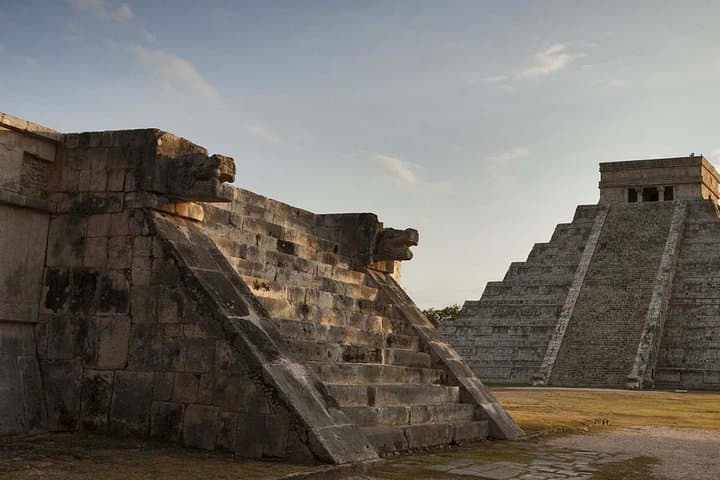
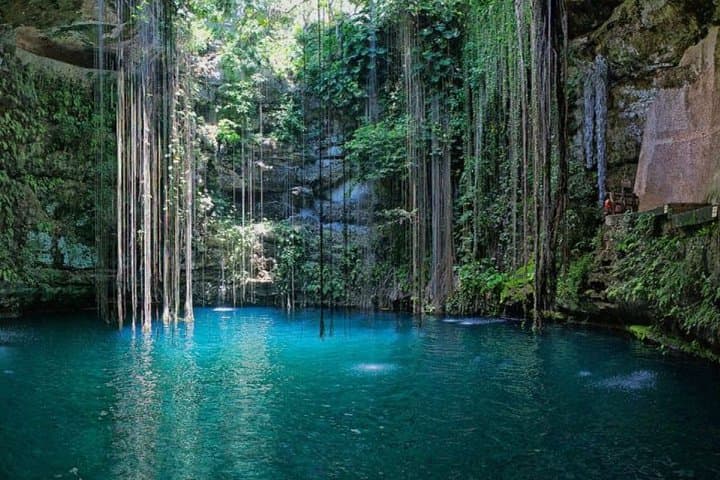
You arrive before the crowds as the sun pries light across the low Yucatán plain. The stone face of El Castillo sits square and precise against a high sky, its shadowed steps daring you to climb history. Later, vines frame a blue circle of water at Cenote Ik-kil — the cave drops like an open throat and the water pulls you in with cool insistence.
You arrive before the crowds as the sun pries light across the low Yucatán plain. The stone face of El Castillo sits square and precise against a high sky, its shadowed steps daring you to climb history. Later, vines frame a blue circle of water at Cenote Ik-kil — the cave drops like an open throat and the water pulls you in with cool insistence.
Chichen Itzá grew into prominence between the 7th and 10th centuries and shows a striking Toltec–Maya fusion: the Kukulkán pyramid, the great ball court, and the Caracol observatory each speak to astronomy, ritual and regional power. Geologically the region is limestone karst; cenotes are collapsed roof caves revealing the groundwater below — Ik-kil’s vertical shaft and hanging vegetation are classic examples.
Expect a guided, full-day rhythm: roughly two hours at the archaeological zone, then lunch and about 45 minutes for swimming at Ik-kil. The round-trip from Mérida runs 9–10 hours; transportation and entrance fees are included, but small on-site costs apply (locker ≈ $3 USD, life jacket rental ≈ $2 USD, camera fee at the ruins ~45 MXN).
Practical edge: wear sturdy, breathable shoes for uneven stone and bring a change of clothes and a towel for the cenote. Use biodegradable sunscreen or rinse it off before swimming — cenote rules prohibit makeup and some sunscreens. Carry cash for lockers and tips, and plan for crowded peak hours; early departures give the calmest light and the best photos. Keep children supervised in the cenote and respect marked paths at the ruins to protect fragile structures.