THE ADVENTURE COLLECTIVE® · Independent discovery and booking for outdoor travel

Cross the High Atlas, visit the UNESCO ksar of Ait Ben Haddou and sleep under the stars in Erg Chebbi. This three-day Marrakech-to-Merzouga tour pairs cultural stops with camel rides, sandboarding and a night in a desert camp.
Cross the High Atlas, visit the UNESCO ksar of Ait Ben Haddou and sleep under the stars in Erg Chebbi. This three-day Marrakech-to-Merzouga tour pairs cultural stops with camel rides, sandboarding and a night in a desert camp.
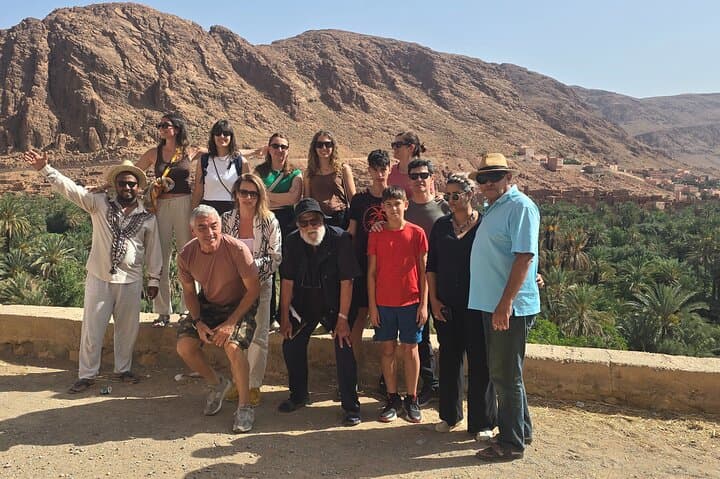
Morning light slides across Jamaa el-Fnaa as a minibus eases out of Marrakech and starts climbing the High Atlas. The air cools, the road narrows, and by the Tizi n’Tichka pass (2,260 m) stone walls and wind-polished peaks watch you go. By the time the kasbahs of Ait Ben Haddou appear, the landscape has already traded cedar forest for ochre mud-brick and then finally for the waving crests of Erg Chebbi.
Verified experiences and guided adventures in the surrounding area.
Operated by Berber heritage tours · Merzouga, Drâa-Tafilalet (Errachidia Province)
Morning light slides across Jamaa el-Fnaa as a minibus eases out of Marrakech and starts climbing the High Atlas. The air cools, the road narrows, and by the Tizi n’Tichka pass (2,260 m) stone walls and wind-polished peaks watch you go. By the time the kasbahs of Ait Ben Haddou appear, the landscape has already traded cedar forest for ochre mud-brick and then finally for the waving crests of Erg Chebbi.
This three-day loop stitches together history and geology: the High Atlas is a young, uplifted range, Ait Ben Haddou a UNESCO ksar once on caravan routes, and Erg Chebbi’s dunes—some 150 m high—are sculpted by Saharan winds and seasonal flash floods. Cultural notes arrive along the way in small Berber villages, in rose-oil cooperatives of Kelaat M’Gouna, and at fossil shops near Erfoud, a reminder that this region preserves deep time underfoot.
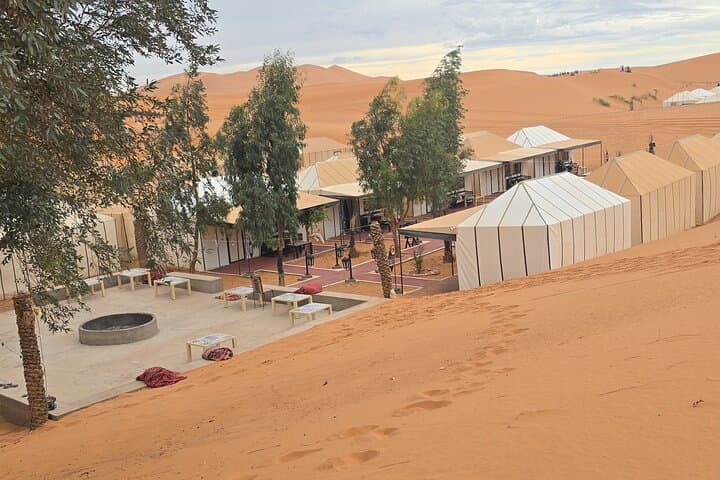
Expect long drives (Marrakech–Merzouga ~8–10 hours one way including stops), structured sightseeing, a sunset camel ride into the dunes, sandboarding options and an overnight in a desert camp beneath an expansive star field. Practical advice: plan sunrise or sunset for the best dune light, pack layers—hot days, cold nights—and prepare for basic camp facilities unless you upgrade to a luxury tent. Hydration and sun protection are non-negotiable; motion-sickness remedies help on winding passes. The guide-led itinerary balances cultural stops with ample time to stand on a dune lip and let the desert seem to move around you.
moderate.
3 days.
Moderate fitness recommended—able to handle camel rides, short hikes in rough sand and long vehicle transfers
Yes—most departures include pickup from central Marrakech hotels or a designated meeting point such as Jamaa el-Fnaa; confirm your pickup point when booking.
Camel rides are gentle but can be bumpy; they suit most people though elderly travelers or those with back issues should notify the operator and consider alternate transport into the camp.
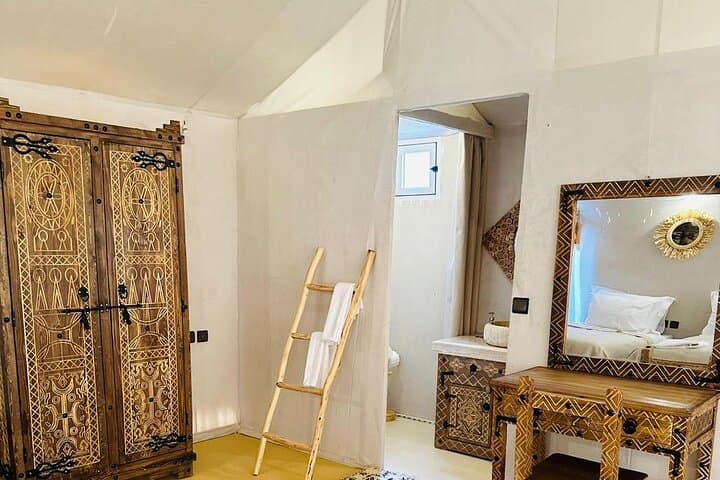
Basic dinner and breakfast are typically included, as is a shared camp tent; luxury tent upgrades are often available for private accommodation and en-suite facilities.
Spring and fall offer the most comfortable daytime temperatures; winter brings cold nights and summer has very high daytime heat.
Ait Ben Haddou served as a fortified caravan stop on trans-Saharan routes and later a film location; the region bears traces of centuries of trade and Berber settlement.
The dunes and oasis systems are fragile—stick to marked paths, avoid littering, support local guides and limit water use in camps.
Berber heritage tours operates guided outdoor trips and adventures with an emphasis on safety, stewardship, and memorable experiences.
Morning light slides across Jamaa el-Fnaa as a minibus eases out of Marrakech and starts climbing the High Atlas. The air cools, the road narrows, and by the Tizi n’Tichka pass (2,260 m) stone walls and wind-polished peaks watch you go. By the time the kasbahs of Ait Ben Haddou appear, the landscape has already traded cedar forest for ochre mud-brick and then finally for the waving crests of Erg Chebbi.
Morning light slides across Jamaa el-Fnaa as a minibus eases out of Marrakech and starts climbing the High Atlas. The air cools, the road narrows, and by the Tizi n’Tichka pass (2,260 m) stone walls and wind-polished peaks watch you go. By the time the kasbahs of Ait Ben Haddou appear, the landscape has already traded cedar forest for ochre mud-brick and then finally for the waving crests of Erg Chebbi.
This three-day loop stitches together history and geology: the High Atlas is a young, uplifted range, Ait Ben Haddou a UNESCO ksar once on caravan routes, and Erg Chebbi’s dunes—some 150 m high—are sculpted by Saharan winds and seasonal flash floods. Cultural notes arrive along the way in small Berber villages, in rose-oil cooperatives of Kelaat M’Gouna, and at fossil shops near Erfoud, a reminder that this region preserves deep time underfoot.
Expect long drives (Marrakech–Merzouga ~8–10 hours one way including stops), structured sightseeing, a sunset camel ride into the dunes, sandboarding options and an overnight in a desert camp beneath an expansive star field. Practical advice: plan sunrise or sunset for the best dune light, pack layers—hot days, cold nights—and prepare for basic camp facilities unless you upgrade to a luxury tent. Hydration and sun protection are non-negotiable; motion-sickness remedies help on winding passes. The guide-led itinerary balances cultural stops with ample time to stand on a dune lip and let the desert seem to move around you.