THE ADVENTURE COLLECTIVE® · Independent discovery and booking for outdoor travel

Move from Kolkata’s colonial avenues to Darjeeling’s tea‑strewn ridges and the silent sanctuaries of Ajanta. This 13‑day private route combines Himalayan sunrise, Buddhist monasteries and UNESCO rock‑cut caves with practical travel pacing.
Move from Kolkata’s colonial avenues to Darjeeling’s tea‑strewn ridges and the silent sanctuaries of Ajanta. This 13‑day private route combines Himalayan sunrise, Buddhist monasteries and UNESCO rock‑cut caves with practical travel pacing.
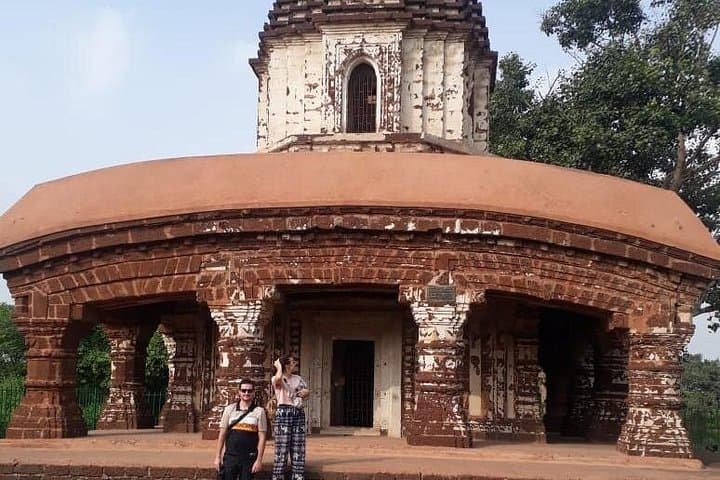
You step off the plane into Kolkata's humid air and, within days, trade the Hooghly's ferry bells for the thin, pine-scented cold of Darjeeling at dawn. The itinerary threads colonial boulevards and Raj-era monuments into highland tea gardens, snow-sliced viewpoints, Buddhist gompas and finally the echoing stone chambers of Ajanta.
Verified experiences and guided adventures in the surrounding area.
Operated by Agora Voyages Pvt. Ltd. · Kolkata, West Bengal
You step off the plane into Kolkata's humid air and, within days, trade the Hooghly's ferry bells for the thin, pine-scented cold of Darjeeling at dawn. The itinerary threads colonial boulevards and Raj-era monuments into highland tea gardens, snow-sliced viewpoints, Buddhist gompas and finally the echoing stone chambers of Ajanta.
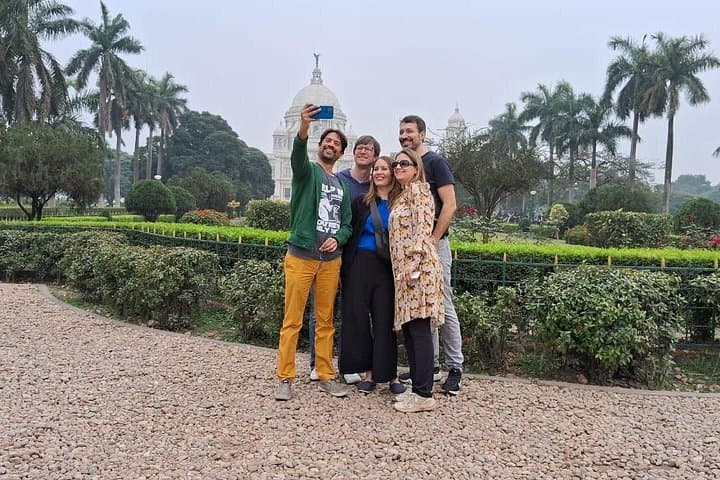
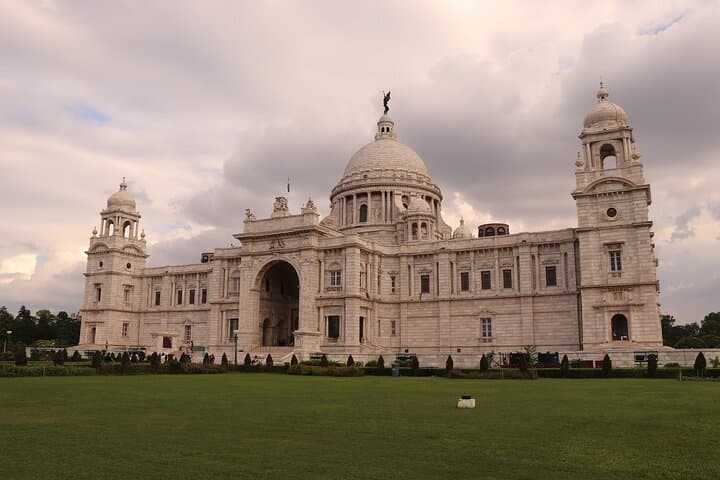
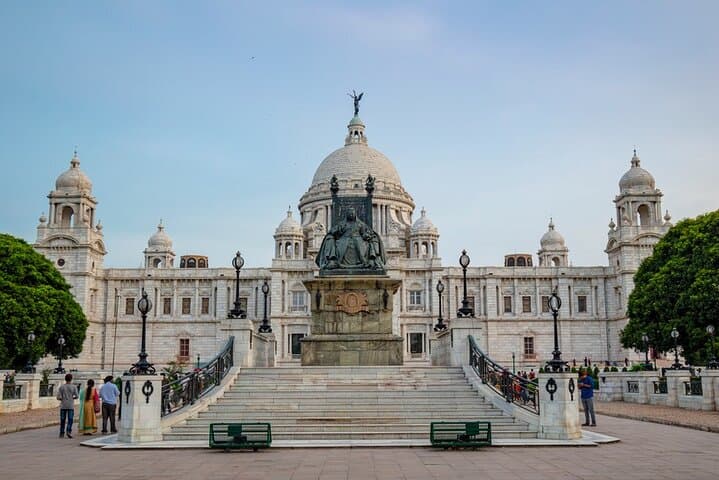
Kolkata frames the tour with Victorian facades — Fort William and Victoria Memorial speak to 19th‑century imperial ambitions — before a short flight and two-hour drive place you on the lower flanks of the eastern Himalaya. Tiger Hill (≈2,440 m / 8,000 ft) offers sunrise on Kanchenjunga when skies clear. Darjeeling’s narrow‑gauge toy train and terraced tea estates tell a different geological story: steep, folded slopes and soil built from Himalayan uplift. In Sikkim and Pelling, rhododendron and alpine oak give way to monasteries like Rumtek and small high‑altitude lakes such as Kechopalri. The route ends in the Deccan: Aurangabad’s Ellora and the Ajanta caves, carved into basalt and sandstone between 200 BCE and 650 CE, where Buddhist chaityas and vividly preserved murals slow your pace.
Practical guidance: expect many early starts and multiple 2–4 hour drives; acclimatize before high‑altitude excursions (Tsomgo ~3,750 m). Pack layers, a sturdy pair of walking shoes, sun and rain protection, and a small daypack for steep temple steps and cave trails. Carry local cash for small shops and donations at monasteries, and be prepared for variable mobile connectivity outside major towns.
moderate.
12–13 days.
Suitable for travelers in good general health who can manage stairs, short hikes and multiple hours in transit; some high‑altitude tolerance helpful.
Most monasteries are open without permits; border‑area rules can change—check with the operator for any restricted‑area permits and carry ID.
Expect moderate walking with stairs and uneven rock surfaces; the sites cover large areas so comfortable shoes and a steady pace are recommended.
Yes—this private tour accommodates families and seniors, but plan for long transfers and high‑altitude stops which may be strenuous for some.
Indian rupees are used widely; ATMs are common in cities but scarce in hill towns—carry cash. Mobile data is intermittent outside major towns.
The route stitches British colonial urban planning in Kolkata with centuries‑old Tibetan Buddhist traditions in Sikkim and rock‑cut Buddhist architecture at Ajanta and Ellora dating from 200 BCE to 1000 CE.
Highland ecosystems are sensitive—stay on trails, avoid single‑use plastics where possible, and follow monastery guidance on photography and offerings.
Agora Voyages Pvt. Ltd. operates guided outdoor trips and adventures with an emphasis on safety, stewardship, and memorable experiences.
You step off the plane into Kolkata's humid air and, within days, trade the Hooghly's ferry bells for the thin, pine-scented cold of Darjeeling at dawn. The itinerary threads colonial boulevards and Raj-era monuments into highland tea gardens, snow-sliced viewpoints, Buddhist gompas and finally the echoing stone chambers of Ajanta.
You step off the plane into Kolkata's humid air and, within days, trade the Hooghly's ferry bells for the thin, pine-scented cold of Darjeeling at dawn. The itinerary threads colonial boulevards and Raj-era monuments into highland tea gardens, snow-sliced viewpoints, Buddhist gompas and finally the echoing stone chambers of Ajanta.
Kolkata frames the tour with Victorian facades — Fort William and Victoria Memorial speak to 19th‑century imperial ambitions — before a short flight and two-hour drive place you on the lower flanks of the eastern Himalaya. Tiger Hill (≈2,440 m / 8,000 ft) offers sunrise on Kanchenjunga when skies clear. Darjeeling’s narrow‑gauge toy train and terraced tea estates tell a different geological story: steep, folded slopes and soil built from Himalayan uplift. In Sikkim and Pelling, rhododendron and alpine oak give way to monasteries like Rumtek and small high‑altitude lakes such as Kechopalri. The route ends in the Deccan: Aurangabad’s Ellora and the Ajanta caves, carved into basalt and sandstone between 200 BCE and 650 CE, where Buddhist chaityas and vividly preserved murals slow your pace.
Practical guidance: expect many early starts and multiple 2–4 hour drives; acclimatize before high‑altitude excursions (Tsomgo ~3,750 m). Pack layers, a sturdy pair of walking shoes, sun and rain protection, and a small daypack for steep temple steps and cave trails. Carry local cash for small shops and donations at monasteries, and be prepared for variable mobile connectivity outside major towns.