THE ADVENTURE COLLECTIVE® · Independent discovery and booking for outdoor travel

Ride the cable car to Masada’s fortress, learn the site’s dramatic history, then descend to float in the world’s saltiest sea. This full-day small-group tour from Jerusalem pairs archaeology with an unmistakable Dead Sea swim.
Ride the cable car to Masada’s fortress, learn the site’s dramatic history, then descend to float in the world’s saltiest sea. This full-day small-group tour from Jerusalem pairs archaeology with an unmistakable Dead Sea swim.
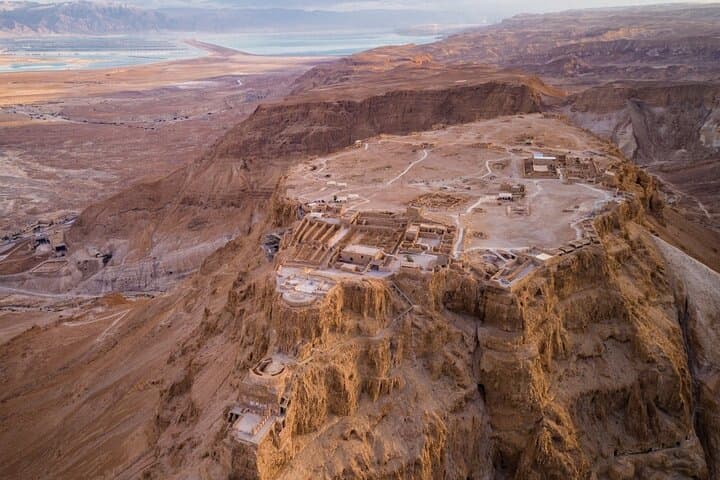
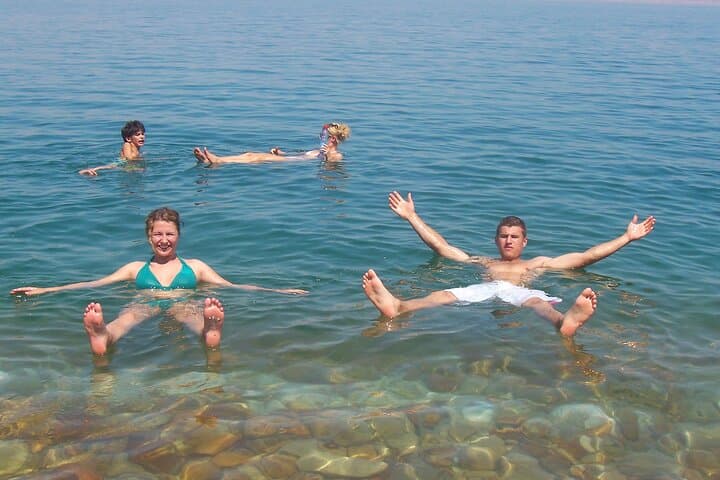
You step out of an air-conditioned van onto a rim of pale desert where wind brushes salt crystals across the trail. The Judean Hills fall away and, in the distance, the Dead Sea lies like a still silver bowl, 427 meters below sea level. The day pivots between two very different landscapes: the high, stony plateau of Masada and the hyper-saline shoreline where water refuses to pull you under.
Verified experiences and guided adventures in the surrounding area.
Operated by Rent-a-Guide Israel Tours · Masada, Jerusalem District
You step out of an air-conditioned van onto a rim of pale desert where wind brushes salt crystals across the trail. The Judean Hills fall away and, in the distance, the Dead Sea lies like a still silver bowl, 427 meters below sea level. The day pivots between two very different landscapes: the high, stony plateau of Masada and the hyper-saline shoreline where water refuses to pull you under.
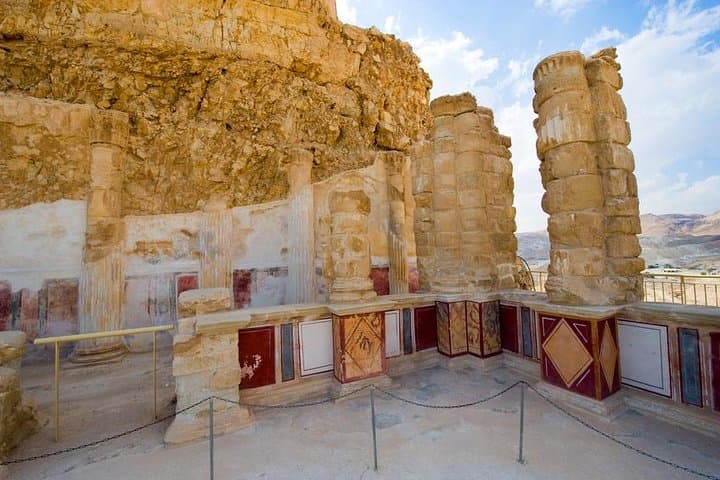
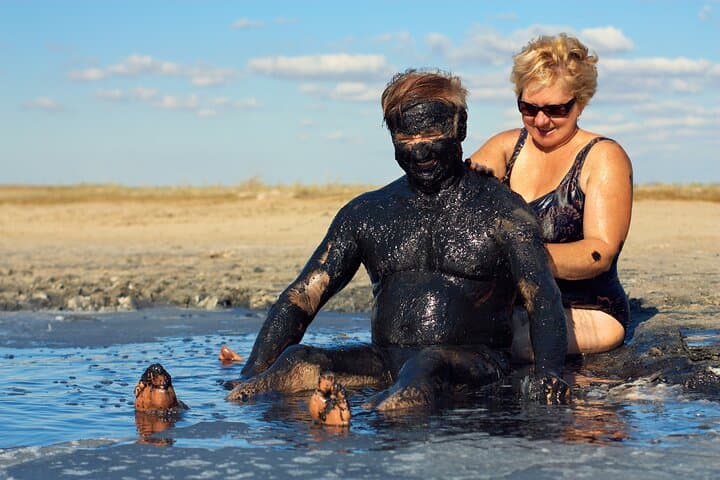
Masada’s stonework and mosaic fragments date to King Herod’s reign and the fortress is best known for the 73 AD siege that ended the Jewish resistance to Rome. Geologically the area is a study in extremes — uplifted limestone cliffs giving way to evaporite flats and pools of mineral mud formed over millennia.
Culturally, guides frame Masada as both archaeological site and a modern symbol; nearby Dead Sea settlements have long traded in potash and therapeutic mud. You’ll ascend Masada by cable car to view the rampart remains, bathhouse mosaics and sweeping desert panoramas before descending to float in near-buoyant salt water and smear mineral mud on sun-warmed skin.
Practicalities: the full excursion runs about 10 hours with hotel pickup from Jerusalem, small groups (up to 19), and included entry fees. Wear sturdy shoes for uneven paths, carry at least 1–2 liters of water, and bring a quick-dry swimsuit and towel. Sun protection and timing matter — mornings and late afternoons are most comfortable. Respect marked trails and rinsing stations after mud application. This is an accessible, low-impact day outing that mixes light walking, interpretive history, and a unique buoyant swim experience.
easy.
10 hours.
Light fitness required — short walks and standing; accessible for most people but some uneven surfaces exist
The tour is approximately 10 hours from Jerusalem and includes hotel pickup/drop-off, entry fees to Masada, cable car rides, guide services and transport; packing basics like snacks and water are your responsibility.
Yes — the Snake Path is an option for fit visitors, but the tour typically uses the cable car; check with the operator if you prefer to hike and expect a steep 45–90 minute climb depending on pace.
Floating is generally safe, but avoid submerging your head, keep salt out of cuts and eyes, and if pregnant or with serious health conditions consult a doctor; follow on-site safety instructions.
Yes — public showers and changing areas are provided at the main Dead Sea access points used by tours; bring flip-flops and a plastic bag for wet gear.
Masada was fortified by Herod the Great and became the site of a famous 73 AD last stand against the Romans, a key moment in Jewish history and archaeology.
The Dead Sea’s water level is dropping due to upstream water diversion and mineral extraction; visit responsibly — use marked paths, avoid introducing soaps into the water, and pack out trash.
Rent-a-Guide Israel Tours operates guided outdoor trips and adventures with an emphasis on safety, stewardship, and memorable experiences.
You step out of an air-conditioned van onto a rim of pale desert where wind brushes salt crystals across the trail. The Judean Hills fall away and, in the distance, the Dead Sea lies like a still silver bowl, 427 meters below sea level. The day pivots between two very different landscapes: the high, stony plateau of Masada and the hyper-saline shoreline where water refuses to pull you under.
You step out of an air-conditioned van onto a rim of pale desert where wind brushes salt crystals across the trail. The Judean Hills fall away and, in the distance, the Dead Sea lies like a still silver bowl, 427 meters below sea level. The day pivots between two very different landscapes: the high, stony plateau of Masada and the hyper-saline shoreline where water refuses to pull you under.
Masada’s stonework and mosaic fragments date to King Herod’s reign and the fortress is best known for the 73 AD siege that ended the Jewish resistance to Rome. Geologically the area is a study in extremes — uplifted limestone cliffs giving way to evaporite flats and pools of mineral mud formed over millennia.
Culturally, guides frame Masada as both archaeological site and a modern symbol; nearby Dead Sea settlements have long traded in potash and therapeutic mud. You’ll ascend Masada by cable car to view the rampart remains, bathhouse mosaics and sweeping desert panoramas before descending to float in near-buoyant salt water and smear mineral mud on sun-warmed skin.
Practicalities: the full excursion runs about 10 hours with hotel pickup from Jerusalem, small groups (up to 19), and included entry fees. Wear sturdy shoes for uneven paths, carry at least 1–2 liters of water, and bring a quick-dry swimsuit and towel. Sun protection and timing matter — mornings and late afternoons are most comfortable. Respect marked trails and rinsing stations after mud application. This is an accessible, low-impact day outing that mixes light walking, interpretive history, and a unique buoyant swim experience.