THE ADVENTURE COLLECTIVE® · Independent discovery and booking for outdoor travel

Trace Luxembourg’s transformation from iron seams to financial center on a day tour that links active blast furnaces, miners’ monuments, and underground mines. Plan for Sunday mine visits and sturdy footwear—this is industrial history you can climb into.
Trace Luxembourg’s transformation from iron seams to financial center on a day tour that links active blast furnaces, miners’ monuments, and underground mines. Plan for Sunday mine visits and sturdy footwear—this is industrial history you can climb into.
You begin at the foot of a hulking blast furnace in Belval, metalwork silhouetted against a cool sky, the air carrying the faint tang of rust and machine oil. Steps and catwalks invite inspection; the platform above offers a clear-eyed view of an industrial landscape that reshaped a nation.
Verified experiences and guided adventures in the surrounding area.
Operated by Grand Dutchy Castles · Luxembourg City, Luxembourg
You begin at the foot of a hulking blast furnace in Belval, metalwork silhouetted against a cool sky, the air carrying the faint tang of rust and machine oil. Steps and catwalks invite inspection; the platform above offers a clear-eyed view of an industrial landscape that reshaped a nation.
This route follows the raw logic of Luxembourg’s rise: Minette iron ore seams that run through the south, nineteenth-century forges and the ARBED conglomerate that turned ore into exportable power. The geology is straightforward and brutal—iron-rich oolites and local sedimentary strata—concentrated in the Red Lands that miners worked by hand and machine for generations.
Culture here is pragmatic and proud. Monuments in Kayl and the museums in Rumelange preserve tools, township stories, and the social history of immigrant labor that filled the shafts. The modern City of Science and the ArcelorMittal monument in Grund close the loop, showing how industrial decline became urban reinvention.
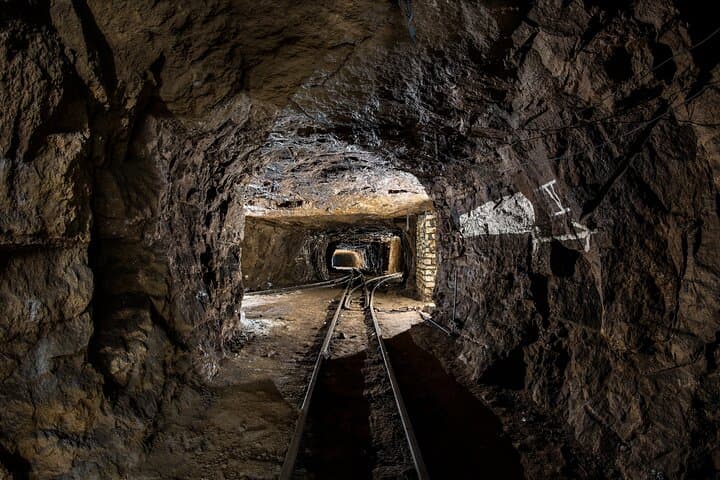
Practicalities matter: mines in Rumelange operate guided visits on Sundays only; the Musée de la Sidérurgie opens on Tuesdays and Saturdays. Expect stairs, confined spaces, and exposed metal platforms when climbing Blast Furnace A.
Plan for a full day (about six hours): wear sturdy shoes, bring layers for underground cool and exposed platforms, and keep to scheduled days for museum and mine access. Private transport simplifies logistics between scattered sites; bottled water and snacks are typically provided. With moderate fitness and sensible footwear, this tour delivers a grounded, tactile history of Luxembourg’s industrial backbone.
moderate.
5–6 hours.
Moderate fitness: able to walk on uneven surfaces, climb stairs and tolerate short underground train rides or tunnels.
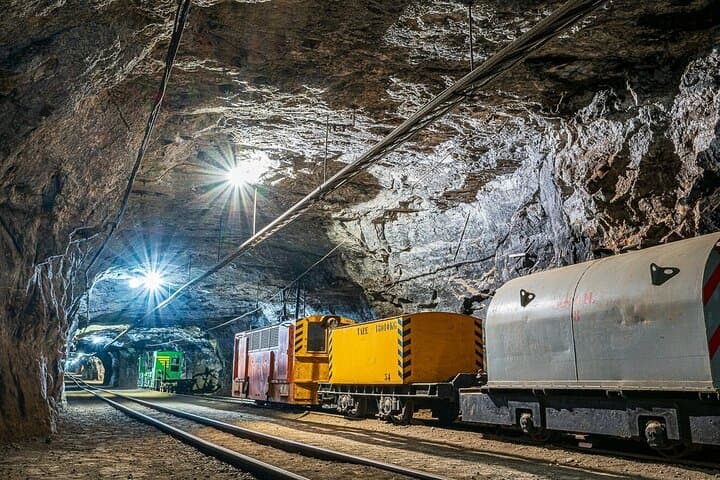
Mine visits and guided train rides are included when those sites are open, but they run on restricted days (Sundays); confirm availability with the operator before booking.
No; many stops involve stairs, platforms, and narrow underground passages, so the experience is not recommended for travelers with significant mobility limitations.
Yes—children can join, but minors must be closely supervised in exposed or confined areas; check age restrictions with the operator and note safety advisories on candles and uneven surfaces.
Language options vary by operator and guide; verify the available language(s) at booking to ensure a guided experience in your preferred language.
The southern ‘Red Lands’ supplied Minette iron ore that powered Luxembourg’s 19th–20th century steel boom and gave rise to ARBED, the industrial group central to national growth.
Adaptive reuse of blast furnaces and industrial sites into cultural and research spaces reduces development pressure; visitors are asked to stay on marked paths and avoid disturbing historic structures.
Grand Dutchy Castles operates guided outdoor trips and adventures with an emphasis on safety, stewardship, and memorable experiences.
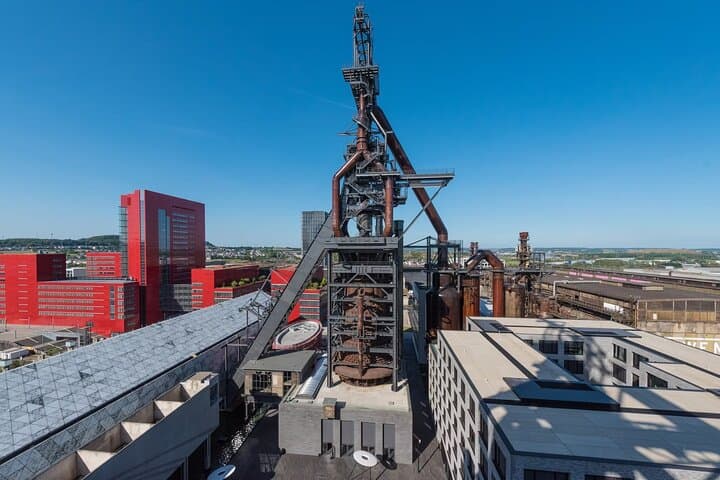
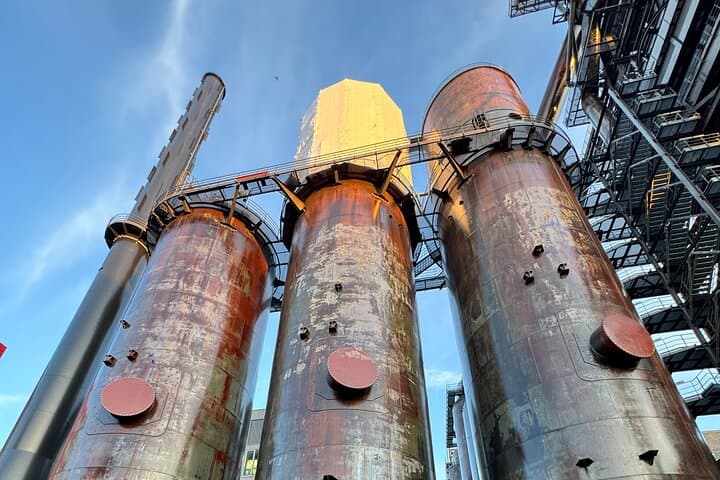
You begin at the foot of a hulking blast furnace in Belval, metalwork silhouetted against a cool sky, the air carrying the faint tang of rust and machine oil. Steps and catwalks invite inspection; the platform above offers a clear-eyed view of an industrial landscape that reshaped a nation.
You begin at the foot of a hulking blast furnace in Belval, metalwork silhouetted against a cool sky, the air carrying the faint tang of rust and machine oil. Steps and catwalks invite inspection; the platform above offers a clear-eyed view of an industrial landscape that reshaped a nation.
This route follows the raw logic of Luxembourg’s rise: Minette iron ore seams that run through the south, nineteenth-century forges and the ARBED conglomerate that turned ore into exportable power. The geology is straightforward and brutal—iron-rich oolites and local sedimentary strata—concentrated in the Red Lands that miners worked by hand and machine for generations.
Culture here is pragmatic and proud. Monuments in Kayl and the museums in Rumelange preserve tools, township stories, and the social history of immigrant labor that filled the shafts. The modern City of Science and the ArcelorMittal monument in Grund close the loop, showing how industrial decline became urban reinvention.
Practicalities matter: mines in Rumelange operate guided visits on Sundays only; the Musée de la Sidérurgie opens on Tuesdays and Saturdays. Expect stairs, confined spaces, and exposed metal platforms when climbing Blast Furnace A.
Plan for a full day (about six hours): wear sturdy shoes, bring layers for underground cool and exposed platforms, and keep to scheduled days for museum and mine access. Private transport simplifies logistics between scattered sites; bottled water and snacks are typically provided. With moderate fitness and sensible footwear, this tour delivers a grounded, tactile history of Luxembourg’s industrial backbone.