THE ADVENTURE COLLECTIVE® · Independent discovery and booking for outdoor travel

Step inside a working apiary in Lazio to see Italian Ligustica bees at work, learn traditional hive techniques, and taste fresh honey and pollen. This 90-minute hands-on tour combines practical beekeeping demonstration with local ecological insights.
Step inside a working apiary in Lazio to see Italian Ligustica bees at work, learn traditional hive techniques, and taste fresh honey and pollen. This 90-minute hands-on tour combines practical beekeeping demonstration with local ecological insights.
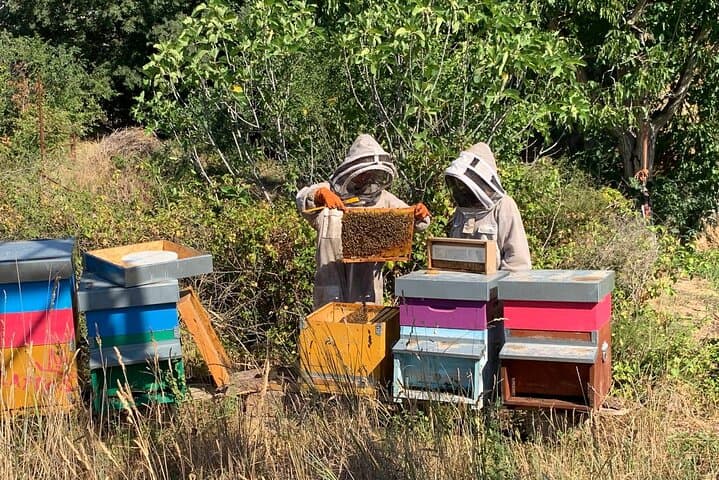
You arrive at an apiary on a warm Lazio morning and the air is a low, purposeful hum—hundreds of bees working like a small, organized city. The guide lays out a simple map of the hive and gestures to frames dark with brood and glistening with capped honey; the sound feels close enough to follow.
Verified experiences and guided adventures in the surrounding area.
Operated by Alendolina · Rome, Lazio
You arrive at an apiary on a warm Lazio morning and the air is a low, purposeful hum—hundreds of bees working like a small, organized city. The guide lays out a simple map of the hive and gestures to frames dark with brood and glistening with capped honey; the sound feels close enough to follow.
This short, hands-on tour introduces the Ligustica bee, the Italian strain long selected for gentleness and strong honey production. Beekeeping in Lazio sits at the crossroads of agricultural tradition and Mediterranean flora: broom, chestnut, and wildflower meadows color the seasons and define honey flavors. The large-capacity hives used here are common in Italian beekeeping culture and reflect a practical, low-intervention approach to apiary management.
The itinerary moves from a concise classroom talk to a protected visit to an inhabited hive. Guests learn to identify queen, brood, and honey frames, watch how comb is uncapped and spun, and finish with tasting fresh honey and pollen—subtle flavors that tell you what the surrounding hills were blooming last month.
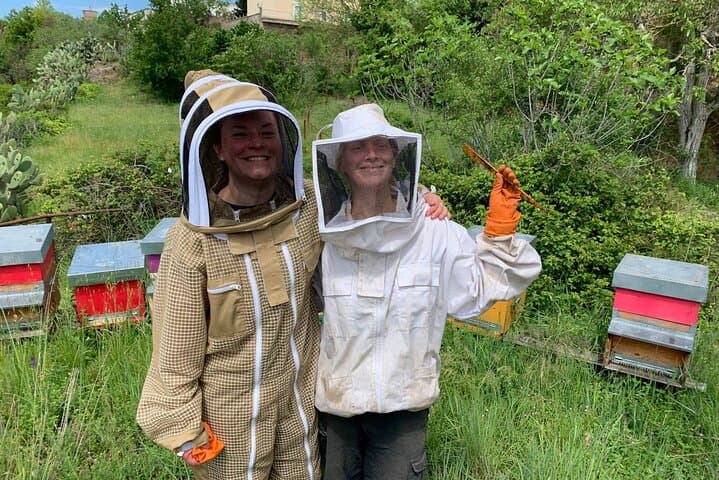
Practical notes: the experience is roughly 90 minutes, suitable for most ages (infants on laps), and includes protective suits and gloves. Expect close contact with bees—those with severe allergies should not attend. Wear closed-toe shoes, sun protection, and a light jacket in spring or fall. Mornings are best, when bees are active but calmer than at midday. This is a short, grounded encounter that teaches ecological context as much as tasting technique: the honey in your jar is literally the landscape condensed.
easy.
1–1.5 hours.
Light; suitable for most adults and children able to stand for short periods
Guides provide protective suits and gloves and teach calm hive approach; occasional minor stings can occur, but severe reactions are rare if you follow instructions.
Yes—tastings typically include honey and fresh pollen from the apiary, highlighting seasonal variations based on local flora.
Yes—children can attend but infants must sit on an adult's lap and all minors should be supervised; aggressive young children may be asked to observe from a distance.
Transport is not included; the apiary is accessible by local transit or car depending on the site—confirm exact meeting details with the operator after booking.
The Ligustica bee has roots in northern Italy and became popular across the peninsula for its docile behavior and productivity; Italian beekeeping has long been a smallholder, landscape-linked practice.
Small-scale, low-intervention apiaries like this help support pollinator diversity; visitors are encouraged to avoid strong scents and single-use plastics to reduce disturbance.
Alendolina operates guided outdoor trips and adventures with an emphasis on safety, stewardship, and memorable experiences.


You arrive at an apiary on a warm Lazio morning and the air is a low, purposeful hum—hundreds of bees working like a small, organized city. The guide lays out a simple map of the hive and gestures to frames dark with brood and glistening with capped honey; the sound feels close enough to follow.
You arrive at an apiary on a warm Lazio morning and the air is a low, purposeful hum—hundreds of bees working like a small, organized city. The guide lays out a simple map of the hive and gestures to frames dark with brood and glistening with capped honey; the sound feels close enough to follow.
This short, hands-on tour introduces the Ligustica bee, the Italian strain long selected for gentleness and strong honey production. Beekeeping in Lazio sits at the crossroads of agricultural tradition and Mediterranean flora: broom, chestnut, and wildflower meadows color the seasons and define honey flavors. The large-capacity hives used here are common in Italian beekeeping culture and reflect a practical, low-intervention approach to apiary management.
The itinerary moves from a concise classroom talk to a protected visit to an inhabited hive. Guests learn to identify queen, brood, and honey frames, watch how comb is uncapped and spun, and finish with tasting fresh honey and pollen—subtle flavors that tell you what the surrounding hills were blooming last month.
Practical notes: the experience is roughly 90 minutes, suitable for most ages (infants on laps), and includes protective suits and gloves. Expect close contact with bees—those with severe allergies should not attend. Wear closed-toe shoes, sun protection, and a light jacket in spring or fall. Mornings are best, when bees are active but calmer than at midday. This is a short, grounded encounter that teaches ecological context as much as tasting technique: the honey in your jar is literally the landscape condensed.