
From Hierve el Agua to the Tule Tree: Full-Day Tour from Oaxaca to Mitla & Teotitlán
This full-day excursion from Oaxaca links geological wonder with living Zapotec culture: mineral terraces at Hierve el Agua, the grecas of Mitla, artisan looms in Teotitlán del Valle, and the colossal Tree of Tule. Expect a long, varied day with short walks, cultural stops and a mezcal tasting to round it off.
An Adventure In Oaxaca de Juárez.
This full-day excursion from Oaxaca links geological wonder with living Zapotec culture: mineral terraces at Hierve el Agua, the grecas of Mitla, artisan looms in Teotitlán del Valle, and the colossal Tree of Tule. Expect a long, varied day with short walks, cultural stops and a mezcal tasting to round it off.
Read the full experience
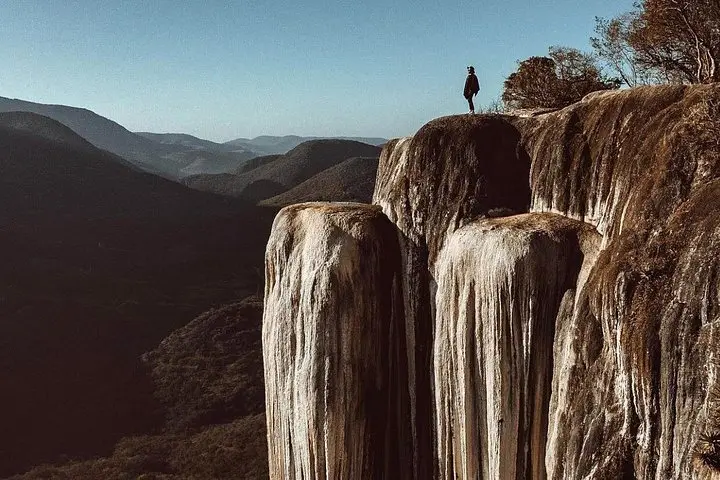
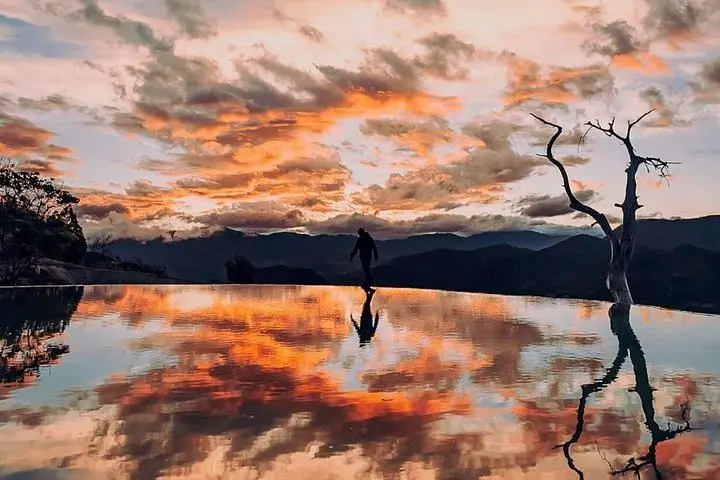
The day begins before sunrise in Oaxaca’s central streets, loading an air-conditioned van while the city’s bread vendors finish their rounds. The road climbs out of the valley and the first reveal is Hierve el Agua: white mineral terraces that look like a fossilized cascade, their edges glinting under high-altitude sun. The pools invite a quick dip; the landscape dares you to step closer and read its slow, geological handwriting.
The day begins before sunrise in Oaxaca’s central streets, loading an air-conditioned van while the city’s bread vendors finish their rounds. The road climbs out of the valley and the first reveal is Hierve el Agua: white mineral terraces that look like a fossilized cascade, their edges glinting under high-altitude sun. The pools invite a quick dip; the landscape dares you to step closer and read its slow, geological handwriting.
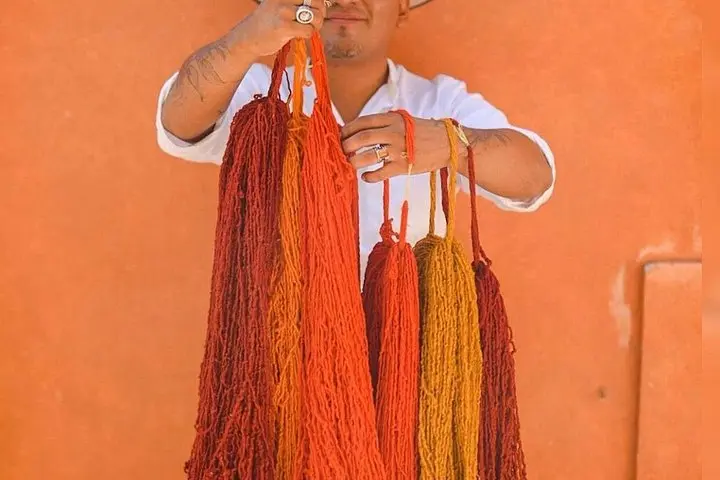
This route threads Zapotec history and living craft — Mitla’s rectilinear grecas are a local language carved in stone, while Teotitlán del Valle keeps pre-Hispanic dye recipes alive in hand-woven rugs. The Tree of Tule in Santa María del Tule is a gravity-defying presence: a sabino with a trunk so broad it reshapes the plaza around it and anchors local legend.
Practical essentials: this is a full 10–12 hour day at 1,600–2,400 m elevation with short, uneven walks at each stop. Expect paved and unpaved roads, short stair sections at archaeological terraces, and sun-exposed viewpoints. Bring cash for small museum fees, crafts and mezcal tastings; many villages favor pesos.
Local guides often combine natural history (the mineral springs and carbonate deposition at Hierve el Agua) with cultural context (Zapotec funeral architecture at Mitla and the communal weaving economy at Teotitlán). Time your visit early in the day to avoid crowds at the falls and late-afternoon light for the Tule Tree. Hydrate steadily, wear sturdy shoes, and carry a lightweight layer — the valley warms quickly but mornings are cool.
Frequently asked questions
The tour runs about 10–12 hours, typically starting in the morning with hotel pickup in downtown Oaxaca and returning in the evening.
Yes—there are natural pools with temperate mineral water and many itineraries include time to swim; bring a swimsuit and towel.
Standard tours include a stop for local cuisine but may not include all meals—confirm with the operator and bring cash for optional food purchases.
The tour is family-friendly but includes short uneven walks and stairs; not recommended for travelers with serious spinal, heart, or mobility issues.
About This Experience
Get Routa operates guided outdoor trips and adventures with an emphasis on safety, stewardship, and memorable experiences.
Adventure tips
Recommended gear
- Sturdy walking shoes: Good grip on rocky terraces and uneven village streets keeps the day comfortable.
- Reusable water bottle: Hydration is crucial at high elevation and during sun-exposed stops.
- Sun hat and sunscreen: High-altitude sun is intense; protect skin and eyes during open-air viewpoints.
- Light rain shell or layer: Mornings can be cool and showers possible in summer—pack a compressible layer.
Photos of the experience

Related adventures & guides
Read the full experience
The day begins before sunrise in Oaxaca’s central streets, loading an air-conditioned van while the city’s bread vendors finish their rounds. The road climbs out of the valley and the first reveal is Hierve el Agua: white mineral terraces that look like a fossilized cascade, their edges glinting under high-altitude sun. The pools invite a quick dip; the landscape dares you to step closer and read its slow, geological handwriting.
The day begins before sunrise in Oaxaca’s central streets, loading an air-conditioned van while the city’s bread vendors finish their rounds. The road climbs out of the valley and the first reveal is Hierve el Agua: white mineral terraces that look like a fossilized cascade, their edges glinting under high-altitude sun. The pools invite a quick dip; the landscape dares you to step closer and read its slow, geological handwriting.
This route threads Zapotec history and living craft — Mitla’s rectilinear grecas are a local language carved in stone, while Teotitlán del Valle keeps pre-Hispanic dye recipes alive in hand-woven rugs. The Tree of Tule in Santa María del Tule is a gravity-defying presence: a sabino with a trunk so broad it reshapes the plaza around it and anchors local legend.
Practical essentials: this is a full 10–12 hour day at 1,600–2,400 m elevation with short, uneven walks at each stop. Expect paved and unpaved roads, short stair sections at archaeological terraces, and sun-exposed viewpoints. Bring cash for small museum fees, crafts and mezcal tastings; many villages favor pesos.
Local guides often combine natural history (the mineral springs and carbonate deposition at Hierve el Agua) with cultural context (Zapotec funeral architecture at Mitla and the communal weaving economy at Teotitlán). Time your visit early in the day to avoid crowds at the falls and late-afternoon light for the Tule Tree. Hydrate steadily, wear sturdy shoes, and carry a lightweight layer — the valley warms quickly but mornings are cool.
Make a day of it nearby.
Verified experiences and guided adventures in the surrounding area.