THE ADVENTURE COLLECTIVE® · Independent discovery and booking for outdoor travel

Combine the surreal vistas of Ba Na Hills’ Golden Bridge with a slow, local-led boat ride on the Cổ Cò River. This one-day itinerary pairs high-mountain cable car views with village-level cultural encounters and hands-on traditional crafts.
Combine the surreal vistas of Ba Na Hills’ Golden Bridge with a slow, local-led boat ride on the Cổ Cò River. This one-day itinerary pairs high-mountain cable car views with village-level cultural encounters and hands-on traditional crafts.
Morning mist lifts off the Ba Na Hills as a cable car climbs through rainforest and waterfalls toward the Golden Bridge—two giant stone hands cupping a bronze walkway above the clouds.
Verified experiences and guided adventures in the surrounding area.
Operated by Local guide in Da Nang city, Vietnam · Hoi An, Quang Nam
Morning mist lifts off the Ba Na Hills as a cable car climbs through rainforest and waterfalls toward the Golden Bridge—two giant stone hands cupping a bronze walkway above the clouds.
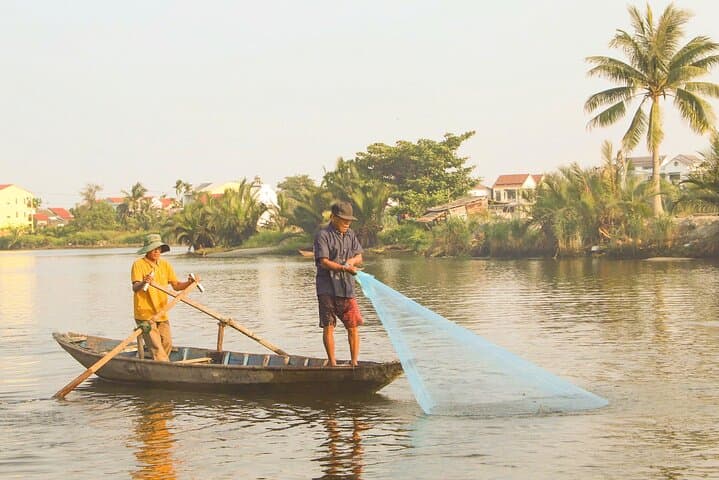
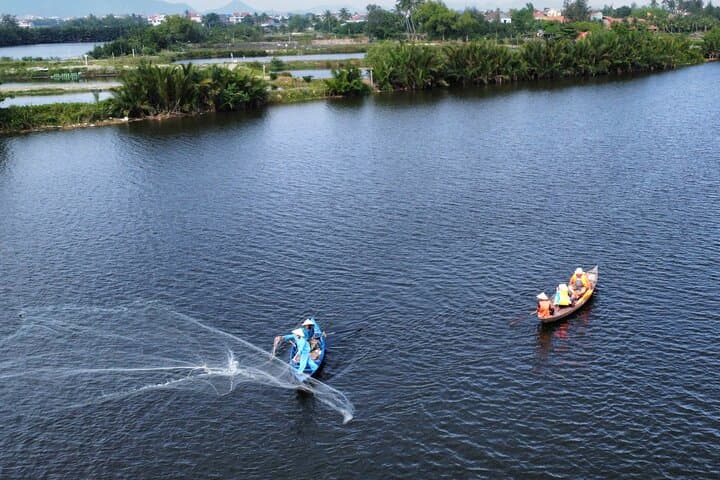
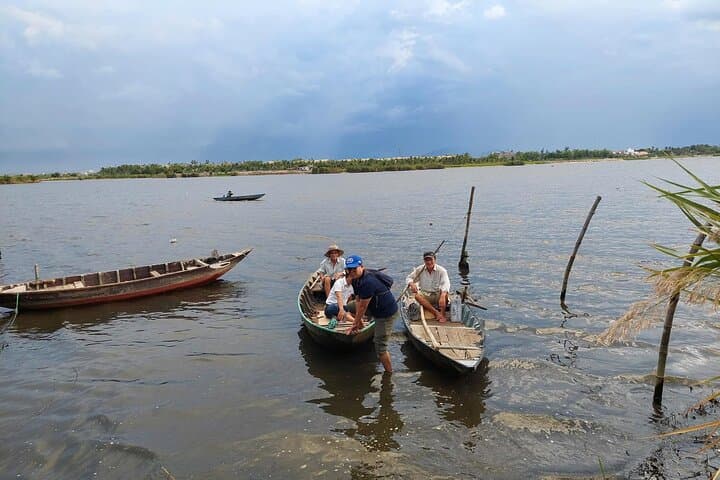
The contrast comes later: the slow, hand-rowed wooden boats on the Cổ Cò River where paddles whisper and rice paddies watch. Together the two halves of this day tour give a compact portrait of Central Vietnam: high-elevation pine and tropical montane ecology at Ba Na, and lowland agricultural systems and fishing lore along the river.
Ba Na Hills was developed in the early 20th century as a hill station; its current cable car route exposes granite ridgelines, steep drainage gullies, and secondary forest recovering around old plantations. The Cổ Cò corridor is an alluvial plain shaped by tidal channels and seasonal irrigation—farmers and fishers still use bamboo gear and rice-paper traditions that trace back generations.
Practical guidance: expect a 6–7 hour day with a significant amount of transit between Da Nang/Ba Na and Hoi An. Pack light layers—the mountaintop can be 5–10°C cooler and often windy; the river plain is humid and sun-exposed. Comfortable walking shoes and a sun hat are essential; bring a refillable water bottle and waterproof layer in the monsoon months.
Plan for early departures to avoid crowds at the bridge and to catch calmer river water in the morning. Respect village customs: photograph politely, remove hats in shrines, and accept offers to try local crafts—these interactions are the real currency of the trip.
moderate.
6–7 hours.
Moderate fitness: able to board boats, walk uneven village paths, and stand for short periods.
The traditional wooden boat segment is about 60–90 minutes, usually guided and hand-rowed by local villagers.
The cable car provides access to the Golden Bridge area, but there are uneven surfaces and steps once on the mountaintop—notify the operator about mobility needs in advance.
Yes—most itineraries include short hands-on stops such as rice-paper making or simple bamboo fishing demonstrations led by villagers.
This tour typically includes bottled water and transportation; meals are usually not included—confirm with the operator and plan for lunch in Hoi An or bring snacks.
Ba Na Hills originated as a French colonial hill station; the Cổ Cò corridor has long been an irrigation and transport channel linking coastal and inland communities.
The area faces pressures from tourism and development; choose local guides who support community initiatives and avoid single-use plastics to reduce your footprint.
Local guide in Da Nang city, Vietnam operates guided outdoor trips and adventures with an emphasis on safety, stewardship, and memorable experiences.
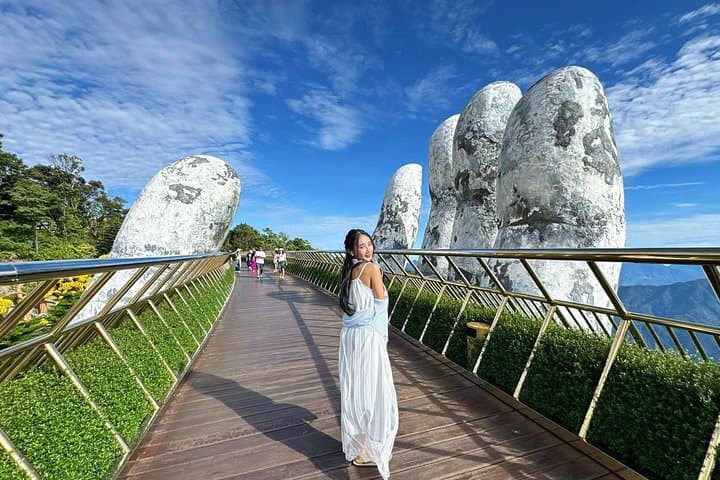
Morning mist lifts off the Ba Na Hills as a cable car climbs through rainforest and waterfalls toward the Golden Bridge—two giant stone hands cupping a bronze walkway above the clouds.
Morning mist lifts off the Ba Na Hills as a cable car climbs through rainforest and waterfalls toward the Golden Bridge—two giant stone hands cupping a bronze walkway above the clouds.
The contrast comes later: the slow, hand-rowed wooden boats on the Cổ Cò River where paddles whisper and rice paddies watch. Together the two halves of this day tour give a compact portrait of Central Vietnam: high-elevation pine and tropical montane ecology at Ba Na, and lowland agricultural systems and fishing lore along the river.
Ba Na Hills was developed in the early 20th century as a hill station; its current cable car route exposes granite ridgelines, steep drainage gullies, and secondary forest recovering around old plantations. The Cổ Cò corridor is an alluvial plain shaped by tidal channels and seasonal irrigation—farmers and fishers still use bamboo gear and rice-paper traditions that trace back generations.
Practical guidance: expect a 6–7 hour day with a significant amount of transit between Da Nang/Ba Na and Hoi An. Pack light layers—the mountaintop can be 5–10°C cooler and often windy; the river plain is humid and sun-exposed. Comfortable walking shoes and a sun hat are essential; bring a refillable water bottle and waterproof layer in the monsoon months.
Plan for early departures to avoid crowds at the bridge and to catch calmer river water in the morning. Respect village customs: photograph politely, remove hats in shrines, and accept offers to try local crafts—these interactions are the real currency of the trip.