THE ADVENTURE COLLECTIVE® · Independent discovery and booking for outdoor travel

Spend a full day moving from fieldwork to feast in rural Muhanga, learning cassava bread, sorghum beer and hands-on food preparation with local hosts. This immersive, 5–8 hour cultural experience mixes harvest work, traditional techniques and a communal lunch you helped prepare.
Spend a full day moving from fieldwork to feast in rural Muhanga, learning cassava bread, sorghum beer and hands-on food preparation with local hosts. This immersive, 5–8 hour cultural experience mixes harvest work, traditional techniques and a communal lunch you helped prepare.
Dawn breaks over rounded red hills as a minibus threads out of Muhanga and into a patchwork of small farms. The day begins in the field: fingers in loamy soil, a low sun warming the slopes, and the rhythm of harvesting that guides the day's menu. Participants move with hosts between plots of cassava, sorghum and bananas, then into a courtyard where mortar-and-pestle work, open-fire roasting and fermentation shape the afternoon.
Verified experiences and guided adventures in the surrounding area.
Operated by Azizi Life · Muhanga (Gitarama), Southern Province
Dawn breaks over rounded red hills as a minibus threads out of Muhanga and into a patchwork of small farms. The day begins in the field: fingers in loamy soil, a low sun warming the slopes, and the rhythm of harvesting that guides the day's menu. Participants move with hosts between plots of cassava, sorghum and bananas, then into a courtyard where mortar-and-pestle work, open-fire roasting and fermentation shape the afternoon.
This area sits on Rwanda’s central plateau—gentle terraces carved from volcanic soils that have fed local communities for generations. The cooking here traces household economies: grinding grain by hand, baking cassava bread, and brewing sorghum beer—practices passed down through oral tradition and community exchange. Conversation at the shared lunch often ranges from farming cycles to daily life in Gitarama (now Muhanga), giving a cultural frame to each technique.
Expect hands-on instruction: you will learn to harvest, process, grind and cook under the guidance of local artisans, then eat what you helped prepare. The tempo is rural and practical—stoops, carrying water, and working over heat—so moderate fitness helps. Practical tips: wear sturdy closed-toe shoes that can get dusty, bring sun protection and a refillable bottle, and carry small local currency for gifts. The experience supports village incomes; be prepared to ask questions respectfully and accept invitations to participate.
Duration runs 5–8 hours with round-trip transport from Muhanga; it’s a cultural immersion more than a cooking class, best for travelers who enjoy tactile, social learning and steady, hands-on activity.
moderate.
5–8 hours.
Suitable for moderately active travelers comfortable with walking, bending, and light manual tasks
The program runs approximately 5–8 hours including round-trip transport from Muhanga and a full hands-on cooking session culminating in lunch.
Children may participate, but the itinerary involves bending and light labor; the activity is wheelchair-accessible in parts but not recommended for travelers with significant spinal or cardiovascular conditions.
Yes—lunch is the meal you help prepare, served family-style with your host community, and bottled water is included.
Transport from Muhanga (Gitarama) out to the village and back is included in the tour price.
Central Rwanda’s plateau has long been an agricultural heartland; traditional foodways here reflect decades of household-scale farming and communal preparation techniques.
The experience supports local incomes and encourages low-impact tourism; guests are encouraged to minimize waste, avoid single-use plastics, and purchase souvenirs directly from artisan groups.
Azizi Life operates guided outdoor trips and adventures with an emphasis on safety, stewardship, and memorable experiences.
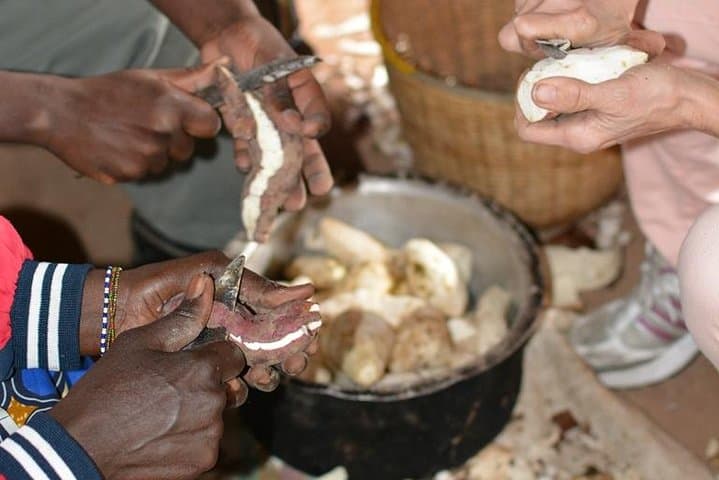
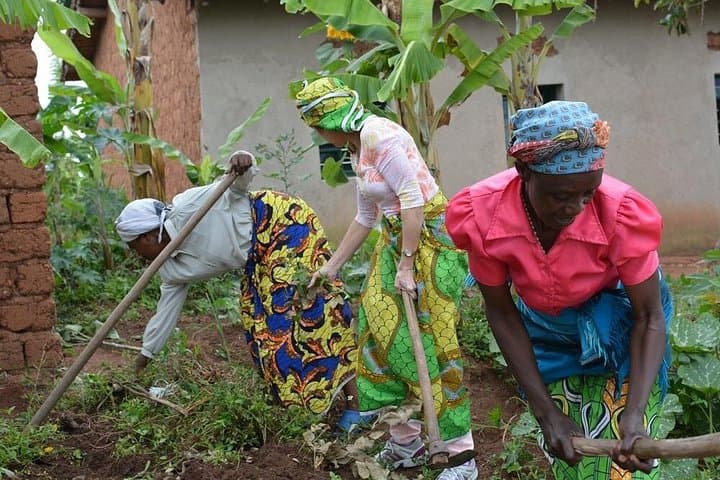
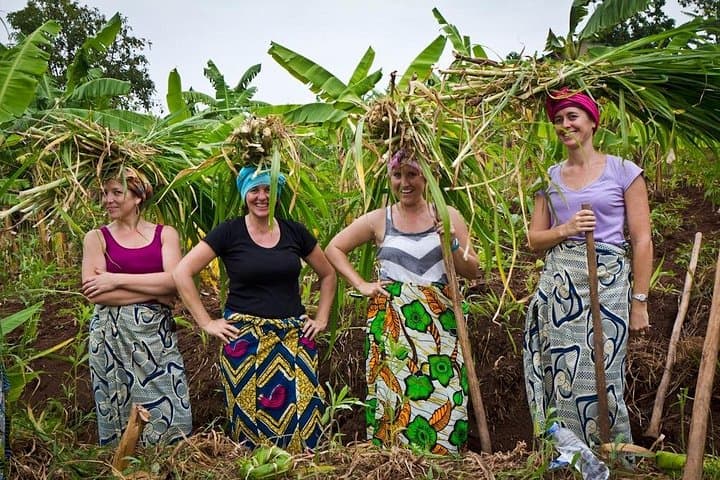
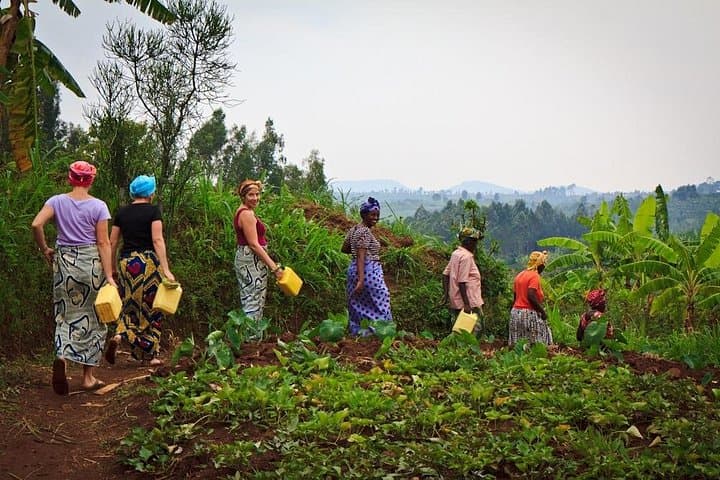
Dawn breaks over rounded red hills as a minibus threads out of Muhanga and into a patchwork of small farms. The day begins in the field: fingers in loamy soil, a low sun warming the slopes, and the rhythm of harvesting that guides the day's menu. Participants move with hosts between plots of cassava, sorghum and bananas, then into a courtyard where mortar-and-pestle work, open-fire roasting and fermentation shape the afternoon.
Dawn breaks over rounded red hills as a minibus threads out of Muhanga and into a patchwork of small farms. The day begins in the field: fingers in loamy soil, a low sun warming the slopes, and the rhythm of harvesting that guides the day's menu. Participants move with hosts between plots of cassava, sorghum and bananas, then into a courtyard where mortar-and-pestle work, open-fire roasting and fermentation shape the afternoon.
This area sits on Rwanda’s central plateau—gentle terraces carved from volcanic soils that have fed local communities for generations. The cooking here traces household economies: grinding grain by hand, baking cassava bread, and brewing sorghum beer—practices passed down through oral tradition and community exchange. Conversation at the shared lunch often ranges from farming cycles to daily life in Gitarama (now Muhanga), giving a cultural frame to each technique.
Expect hands-on instruction: you will learn to harvest, process, grind and cook under the guidance of local artisans, then eat what you helped prepare. The tempo is rural and practical—stoops, carrying water, and working over heat—so moderate fitness helps. Practical tips: wear sturdy closed-toe shoes that can get dusty, bring sun protection and a refillable bottle, and carry small local currency for gifts. The experience supports village incomes; be prepared to ask questions respectfully and accept invitations to participate.
Duration runs 5–8 hours with round-trip transport from Muhanga; it’s a cultural immersion more than a cooking class, best for travelers who enjoy tactile, social learning and steady, hands-on activity.