THE ADVENTURE COLLECTIVE® · Independent discovery and booking for outdoor travel

Explore Medellín’s stark past and vibrant present on a private, full‑day tour that visits Pablo Escobar’s landmarks and Comuna 13’s street‑art revival. Expect steep streets, vivid murals, and thoughtful local context from a bilingual guide.
Explore Medellín’s stark past and vibrant present on a private, full‑day tour that visits Pablo Escobar’s landmarks and Comuna 13’s street‑art revival. Expect steep streets, vivid murals, and thoughtful local context from a bilingual guide.
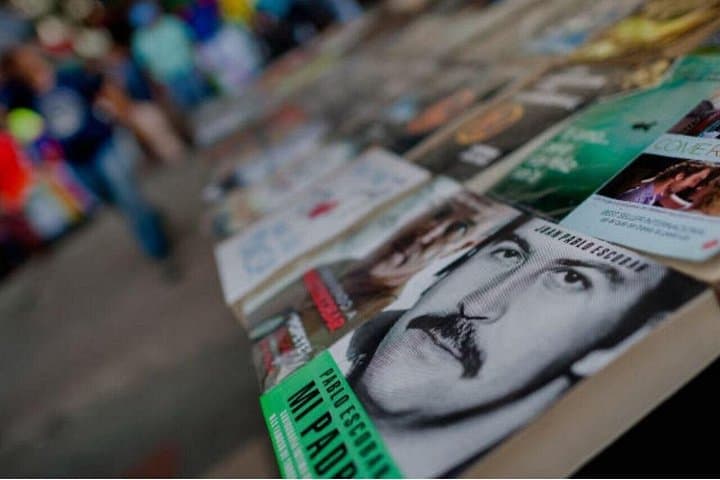
You step out of an air‑conditioned private car into a city that breathes at 1,500 meters—warm air, the distant rumble of buses, and a hillside that refuses to sit quietly. The tour begins with hard, quiet places: the former Monaco site turned memorial and the simple dark marble tomb in Jardines Montesacro. These are civic markers of Medellín’s violent chapter and a reminder of why the city chose transformation.
Verified experiences and guided adventures in the surrounding area.
Operated by Go2medellin Tours · Medellín, Antioquia
You step out of an air‑conditioned private car into a city that breathes at 1,500 meters—warm air, the distant rumble of buses, and a hillside that refuses to sit quietly. The tour begins with hard, quiet places: the former Monaco site turned memorial and the simple dark marble tomb in Jardines Montesacro. These are civic markers of Medellín’s violent chapter and a reminder of why the city chose transformation.
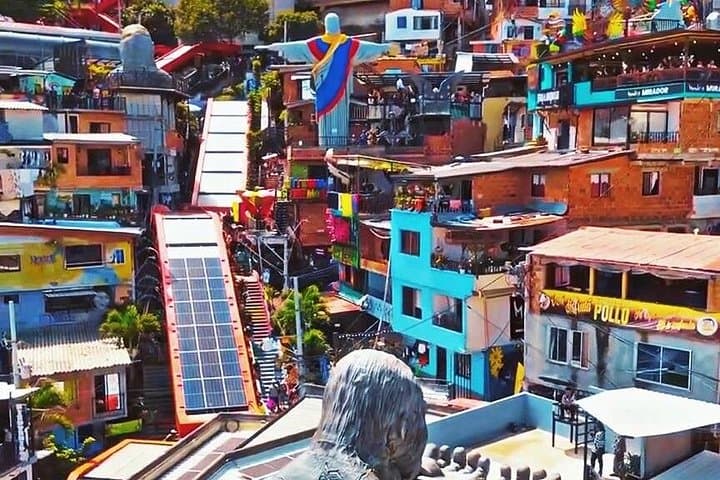
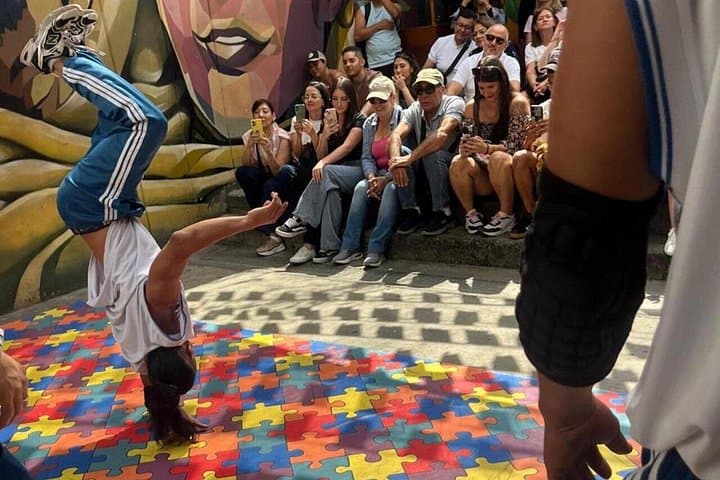
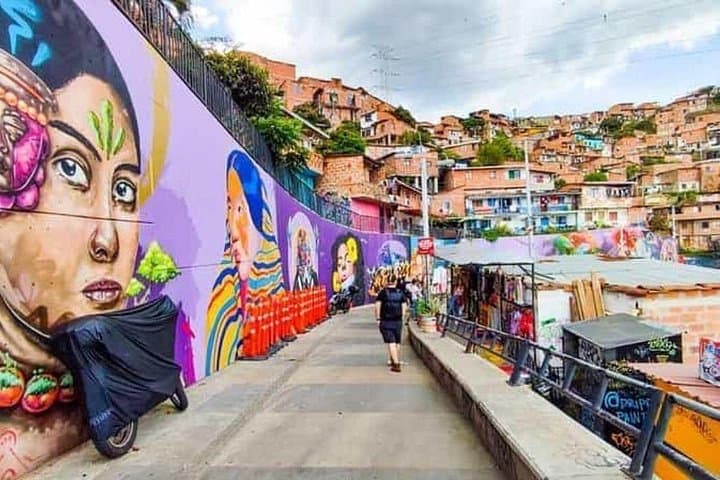
Medellín’s history is braided with rapid urban growth, narcotrafficking in the 1980s–90s, and a deliberate pivot toward social urbanism. Geology matters here: the Aburrá Valley funnels weather and people alike, so neighborhoods climb steeply and the city reads as layers of development along the slopes. Comuna 13—once notorious for gang violence—is now a living gallery: outdoor escalators, steep staircases, and walls painted with narratives ranging from grief to joy. Local guides point out artists’ signatures, community projects, and the informal economies that sustain daily life.
Practical guidance: expect several hours of walking on uneven, steep streets and many photo stops. Bring a refillable water bottle, sturdy shoes with good grip, sun protection and a light rain layer; rain can appear suddenly. Respect memorial sites—quiet reflection is appropriate—and ask permission before photographing people. Your bilingual guide will manage logistics, but confirm pick‑up details and any mobility concerns when you book. The private format lets you set the pace: linger on a mural, pause at a viewpoint, or move on—this is a tour of memory, art, and the city’s hard‑won resilience.
easy.
8 hours.
Suitable for most fitness levels but requires walking on steep, uneven streets; expect multiple short climbs.
Guided, private format and daytime visits to Comuna 13 and memorials are considered safe; follow your guide’s directions and avoid isolated areas at night.
Yes—activity is listed as physically easy but there are many stairs and steep sections; discuss mobility needs when booking and request a gentler pace if needed.
This itinerary notes admission included for certain sites; confirm with the operator at booking for any additional museum or optional fees.
Generally yes in public spaces and murals, but ask permission before photographing individuals and be respectful at memorial sites and private properties.
Medellín was transformed through targeted social urbanism projects after the violence of the 1980s–90s; Comuna 13’s outdoor escalators and community art are symbols of that change.
Tours that engage local guides and artists support community initiatives; practice low‑impact behavior—don’t leave trash, and respect murals and memorials.
Go2medellin Tours operates guided outdoor trips and adventures with an emphasis on safety, stewardship, and memorable experiences.
You step out of an air‑conditioned private car into a city that breathes at 1,500 meters—warm air, the distant rumble of buses, and a hillside that refuses to sit quietly. The tour begins with hard, quiet places: the former Monaco site turned memorial and the simple dark marble tomb in Jardines Montesacro. These are civic markers of Medellín’s violent chapter and a reminder of why the city chose transformation.
You step out of an air‑conditioned private car into a city that breathes at 1,500 meters—warm air, the distant rumble of buses, and a hillside that refuses to sit quietly. The tour begins with hard, quiet places: the former Monaco site turned memorial and the simple dark marble tomb in Jardines Montesacro. These are civic markers of Medellín’s violent chapter and a reminder of why the city chose transformation.
Medellín’s history is braided with rapid urban growth, narcotrafficking in the 1980s–90s, and a deliberate pivot toward social urbanism. Geology matters here: the Aburrá Valley funnels weather and people alike, so neighborhoods climb steeply and the city reads as layers of development along the slopes. Comuna 13—once notorious for gang violence—is now a living gallery: outdoor escalators, steep staircases, and walls painted with narratives ranging from grief to joy. Local guides point out artists’ signatures, community projects, and the informal economies that sustain daily life.
Practical guidance: expect several hours of walking on uneven, steep streets and many photo stops. Bring a refillable water bottle, sturdy shoes with good grip, sun protection and a light rain layer; rain can appear suddenly. Respect memorial sites—quiet reflection is appropriate—and ask permission before photographing people. Your bilingual guide will manage logistics, but confirm pick‑up details and any mobility concerns when you book. The private format lets you set the pace: linger on a mural, pause at a viewpoint, or move on—this is a tour of memory, art, and the city’s hard‑won resilience.