THE ADVENTURE COLLECTIVE® · Independent discovery and booking for outdoor travel

Trace Salvadoran coffee from seedling to sip before stepping onto the rim of El Boquerón. This half-day pairing blends a professional cupping session with panoramic crater views—ideal for curious travelers who want flavor and footholds.
Trace Salvadoran coffee from seedling to sip before stepping onto the rim of El Boquerón. This half-day pairing blends a professional cupping session with panoramic crater views—ideal for curious travelers who want flavor and footholds.
You start the morning in the cool, humming light of PACAS Coffee’s processing rooms, where burlap sacks and polished machines sit against the windows. The guide moves with practiced calm, coaxing steam and scent into explanations as seedlings in the adjacent nursery tilt toward filtered sun. Later, the van climbs out of the city and the landscape opens: green slopes give way to the raw rim of El Boquerón, the crater breathing wind into the valley below.
Verified experiences and guided adventures in the surrounding area.
Operated by El Salvador Positive Tours · San Salvador, San Salvador Department
You start the morning in the cool, humming light of PACAS Coffee’s processing rooms, where burlap sacks and polished machines sit against the windows. The guide moves with practiced calm, coaxing steam and scent into explanations as seedlings in the adjacent nursery tilt toward filtered sun. Later, the van climbs out of the city and the landscape opens: green slopes give way to the raw rim of El Boquerón, the crater breathing wind into the valley below.
El Salvador’s coffee history is both economic engine and cultural language — estates here shaped towns and export routes for more than a century. Geologically, Boquerón is the lip of the San Salvador volcano, a shallow crater carved during eruptions that directed everything from trade routes to urban planning.
Culturally, the tour ties two threads: plant science at the nursery and sensory literacy at the cupping table. You’ll taste washed and sun-dried profiles, learning to detect acidity, body, and finish, then step outside into pine and laurel that resist the city heat.
Practical guidance: wear sturdy shoes for rim paths, bring a light jacket for 1,200–1,600 m elevation chills, and hydrate—tasting sessions concentrate the senses but don’t replace water. Allow 5–6 hours total; morning tours avoid afternoon clouds and offer clearer crater views. Cameras and notebooks are useful; be respectful during cupping—silence helps identify subtle notes. The tour is small-group friendly and accessible to most fitness levels, making it an efficient way to connect coffee knowledge with a dramatic volcanic landscape.
easy.
5–6 hours.
Suitable for most fitness levels—requires short, mostly easy walks and standing during cupping.
Yes—round-trip pickup and drop-off from central San Salvador hotels is included; your operator confirms exact pickup details at booking.
Cupping typically lasts about 45–60 minutes and is led by a trained professional who explains aroma, acidity, body, and finish.
No—the walk around Boquerón’s viewpoints is short and non-technical, but surfaces can be uneven and slightly rocky.
Children are welcome; infants must sit on an adult’s lap and infant seats are available on request.
Coffee cultivation shaped El Salvador’s modern economy; estates like PACAS combine legacy techniques with modern processing to compete globally.
Boquerón Park is a protected area—stay on designated trails, avoid litter, and support local producers to keep coffee landscapes sustainable.
El Salvador Positive Tours operates guided outdoor trips and adventures with an emphasis on safety, stewardship, and memorable experiences.
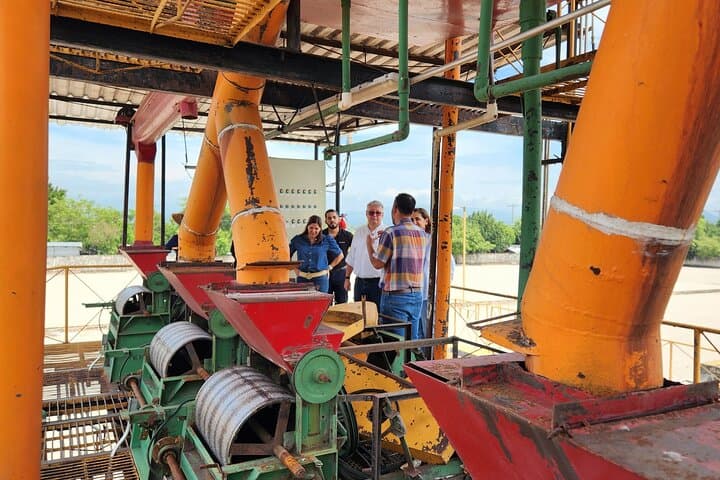
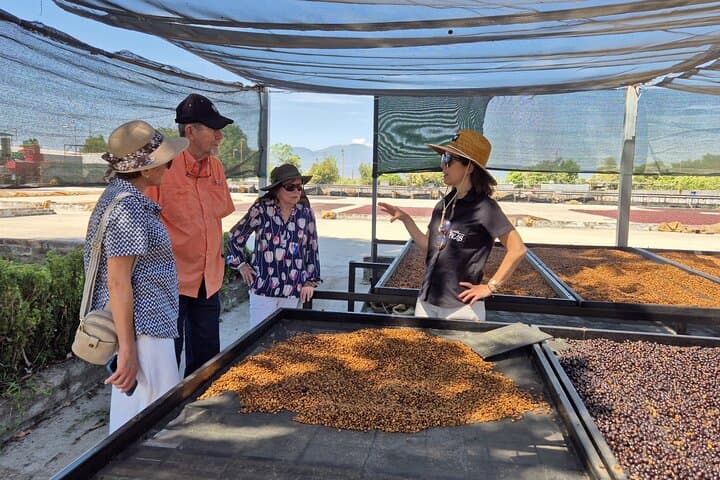
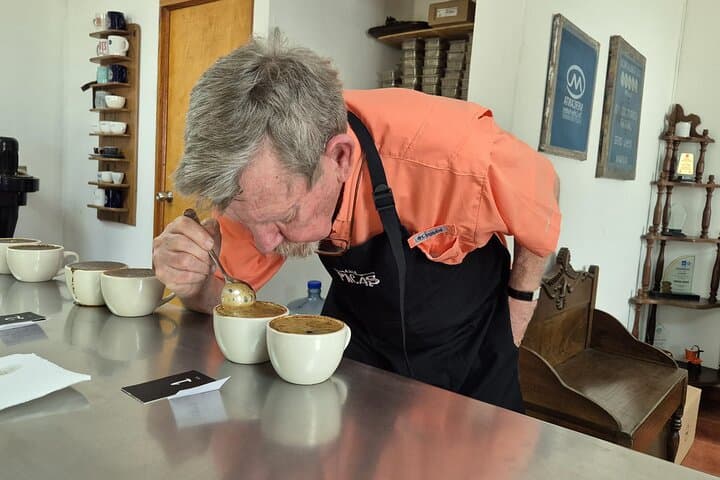
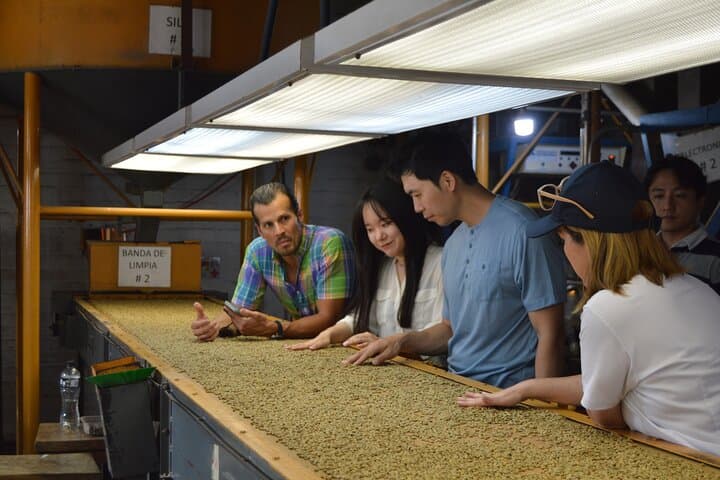
You start the morning in the cool, humming light of PACAS Coffee’s processing rooms, where burlap sacks and polished machines sit against the windows. The guide moves with practiced calm, coaxing steam and scent into explanations as seedlings in the adjacent nursery tilt toward filtered sun. Later, the van climbs out of the city and the landscape opens: green slopes give way to the raw rim of El Boquerón, the crater breathing wind into the valley below.
You start the morning in the cool, humming light of PACAS Coffee’s processing rooms, where burlap sacks and polished machines sit against the windows. The guide moves with practiced calm, coaxing steam and scent into explanations as seedlings in the adjacent nursery tilt toward filtered sun. Later, the van climbs out of the city and the landscape opens: green slopes give way to the raw rim of El Boquerón, the crater breathing wind into the valley below.
El Salvador’s coffee history is both economic engine and cultural language — estates here shaped towns and export routes for more than a century. Geologically, Boquerón is the lip of the San Salvador volcano, a shallow crater carved during eruptions that directed everything from trade routes to urban planning.
Culturally, the tour ties two threads: plant science at the nursery and sensory literacy at the cupping table. You’ll taste washed and sun-dried profiles, learning to detect acidity, body, and finish, then step outside into pine and laurel that resist the city heat.
Practical guidance: wear sturdy shoes for rim paths, bring a light jacket for 1,200–1,600 m elevation chills, and hydrate—tasting sessions concentrate the senses but don’t replace water. Allow 5–6 hours total; morning tours avoid afternoon clouds and offer clearer crater views. Cameras and notebooks are useful; be respectful during cupping—silence helps identify subtle notes. The tour is small-group friendly and accessible to most fitness levels, making it an efficient way to connect coffee knowledge with a dramatic volcanic landscape.