THE ADVENTURE COLLECTIVE® · Independent discovery and booking for outdoor travel

Learn traditional and Belgian-influenced chocolate techniques in a 2.5‑hour Cusco workshop using organic Chuncho cacao from the Sacred Valley. Make pralines and mendiants, taste hot chocolate you prepare, and take home a personalized box of bonbons.
Learn traditional and Belgian-influenced chocolate techniques in a 2.5‑hour Cusco workshop using organic Chuncho cacao from the Sacred Valley. Make pralines and mendiants, taste hot chocolate you prepare, and take home a personalized box of bonbons.
Stepping into a small atelier off a Cusco side street, the air smells of warm cacao and roasting nuts; sunlight from narrow windows highlights bowls of glossy tempered chocolate waiting to be poured. At 3,400 meters elevation the Andes press close—an unmistakable backdrop that shapes the flavors you’ll be working with: Chuncho cacao from the Sacred Valley, high-altitude beans prized for complex acidity and floral notes.
Verified experiences and guided adventures in the surrounding area.
Operated by Cusco Chocolate Workshop · Cusco, Cusco
Stepping into a small atelier off a Cusco side street, the air smells of warm cacao and roasting nuts; sunlight from narrow windows highlights bowls of glossy tempered chocolate waiting to be poured. At 3,400 meters elevation the Andes press close—an unmistakable backdrop that shapes the flavors you’ll be working with: Chuncho cacao from the Sacred Valley, high-altitude beans prized for complex acidity and floral notes.
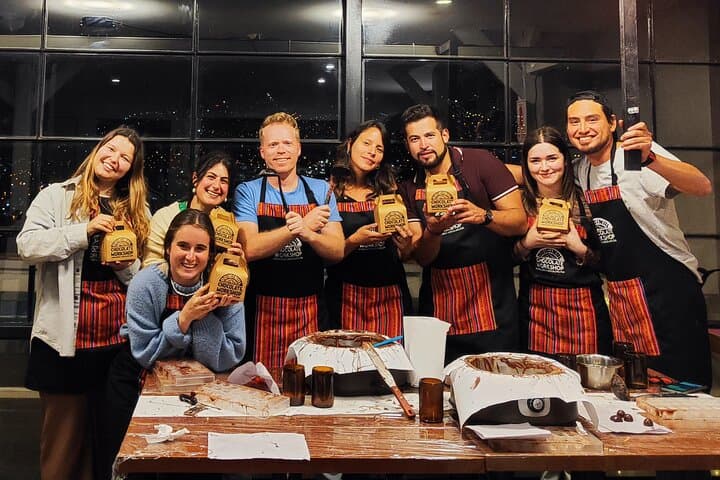
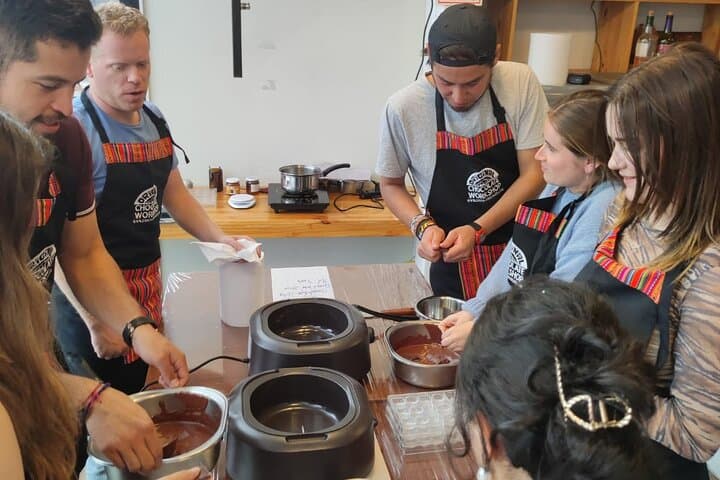
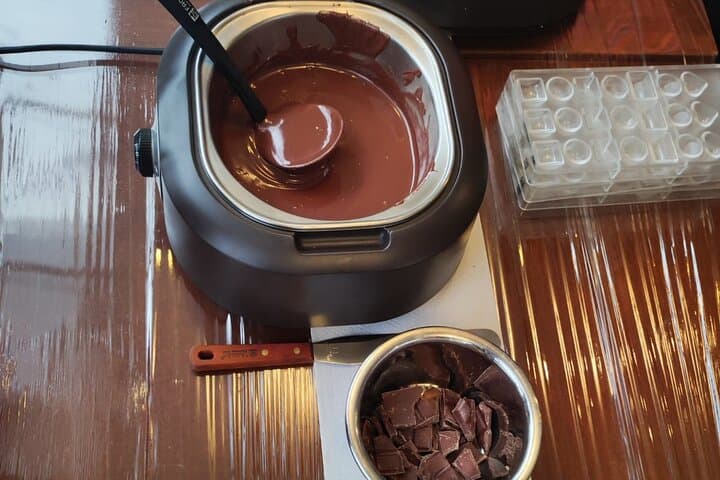
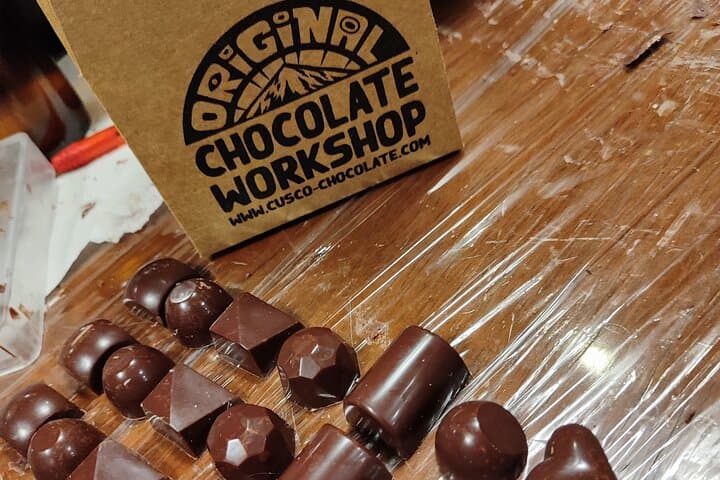
The class threads together pre-Columbian and European stories—Peruvian cacao cultivated for millennia, then reworked with Belgian techniques to produce pralines and mendiants. Over roughly two-and-a-half hours you’ll learn basic tempering, make ganache, prepare a hot chocolate, and craft about 21 pralines and 10 mendiants using local jams, nuts, and organic ingredients. The experience is as much tactile craft as culinary history: you taste fermentation and terroir, and leave with a personalized box to take home.
Practicalities matter: small group sizes (up to 15), mobile ticketing, and a clear 24-hour cancellation window. Expect hands-on instruction, some standing, and sticky fingers—closed-toe shoes and a light jacket help, since Cusco’s microclimate swings quickly. If you care about origin, this workshop emphasizes organic, artisanal sourcing and direct relationships with cacao growers. Book ahead during the dry season (May–September) when Cusco is busiest, and arrive hydrated and acclimatized so you’re focused on flavor, not altitude.
This is a compact cultural immersion—equal parts craft class and local-food education—ideal for travelers who want a tangible souvenir and a clearer sense of Peruvian cacao’s place in both history and contemporary gastronomy.
easy.
2–3 hours.
Minimal fitness required; ability to stand and use fine motor skills for an extended period.
The workshop accepts participants aged 12 and up; younger children may not be able to participate in all hands-on steps.
Yes—inform the operator at booking; many fillings can be swapped for allergy-friendly options, though cross-contact is possible.
Workshops are often offered in Spanish with English-speaking instructors or translation available—confirm language options when booking.
You’ll take home approximately 21 pralines and 10 mendiants in a personalized box, plus practical tips on tempering and ganache-making.
Chuncho cacao has been cultivated in the Peruvian Amazon and Andes for centuries; contemporary workshops pair that indigenous legacy with European confectionery traditions.
Many Cusco chocolatiers prioritize organic sourcing and direct trade with smallholders—choose operators that highlight farmer partnerships and minimal packaging to reduce impact.
Cusco Chocolate Workshop operates guided outdoor trips and adventures with an emphasis on safety, stewardship, and memorable experiences.
Stepping into a small atelier off a Cusco side street, the air smells of warm cacao and roasting nuts; sunlight from narrow windows highlights bowls of glossy tempered chocolate waiting to be poured. At 3,400 meters elevation the Andes press close—an unmistakable backdrop that shapes the flavors you’ll be working with: Chuncho cacao from the Sacred Valley, high-altitude beans prized for complex acidity and floral notes.
Stepping into a small atelier off a Cusco side street, the air smells of warm cacao and roasting nuts; sunlight from narrow windows highlights bowls of glossy tempered chocolate waiting to be poured. At 3,400 meters elevation the Andes press close—an unmistakable backdrop that shapes the flavors you’ll be working with: Chuncho cacao from the Sacred Valley, high-altitude beans prized for complex acidity and floral notes.
The class threads together pre-Columbian and European stories—Peruvian cacao cultivated for millennia, then reworked with Belgian techniques to produce pralines and mendiants. Over roughly two-and-a-half hours you’ll learn basic tempering, make ganache, prepare a hot chocolate, and craft about 21 pralines and 10 mendiants using local jams, nuts, and organic ingredients. The experience is as much tactile craft as culinary history: you taste fermentation and terroir, and leave with a personalized box to take home.
Practicalities matter: small group sizes (up to 15), mobile ticketing, and a clear 24-hour cancellation window. Expect hands-on instruction, some standing, and sticky fingers—closed-toe shoes and a light jacket help, since Cusco’s microclimate swings quickly. If you care about origin, this workshop emphasizes organic, artisanal sourcing and direct relationships with cacao growers. Book ahead during the dry season (May–September) when Cusco is busiest, and arrive hydrated and acclimatized so you’re focused on flavor, not altitude.
This is a compact cultural immersion—equal parts craft class and local-food education—ideal for travelers who want a tangible souvenir and a clearer sense of Peruvian cacao’s place in both history and contemporary gastronomy.