THE ADVENTURE COLLECTIVE® · Independent discovery and booking for outdoor travel

A single-day rail journey from Athens takes you to Meteora’s towering rock pillars where Byzantine monasteries and hermit caves cling to cliffs. This guide covers what to expect—history, logistics, and practical tips for a long, rewarding day trip.
A single-day rail journey from Athens takes you to Meteora’s towering rock pillars where Byzantine monasteries and hermit caves cling to cliffs. This guide covers what to expect—history, logistics, and practical tips for a long, rewarding day trip.
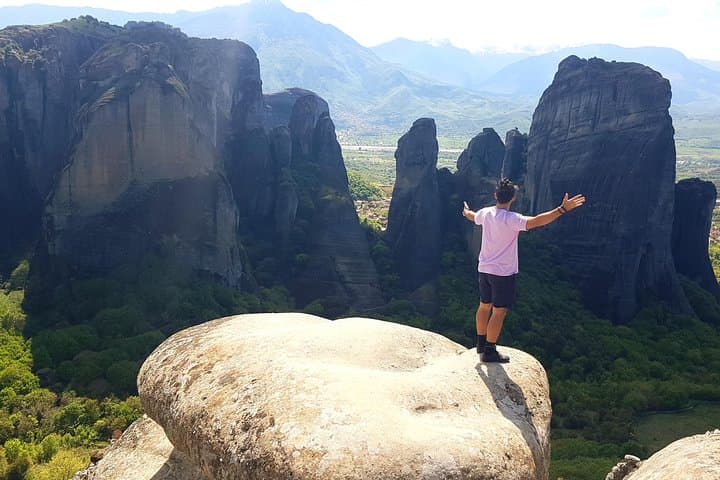
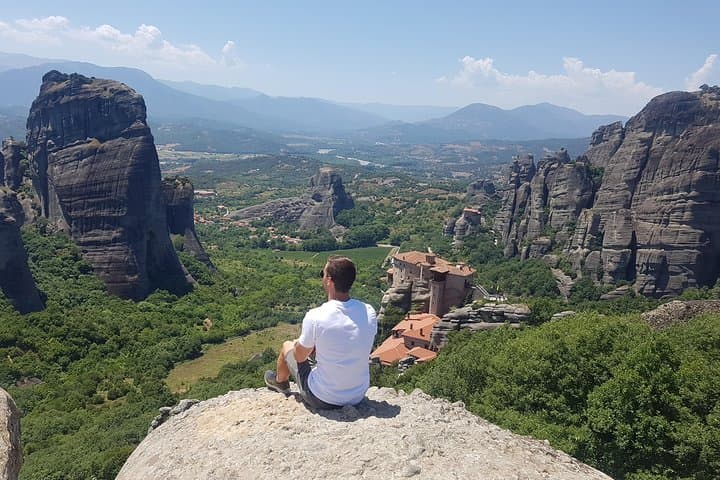
A pre-dawn platform in Athens, a handful of sleepers with coffees, and the train sliding out of Larissis Station—this is where the day's pace is set. Rolling fields give way to limestone towers; by midmorning the rocks of Meteora rise like living columns, their sheer faces daring you to look up.
Verified experiences and guided adventures in the surrounding area.
Operated by Meteora Rocks · Kalambaka, Thessaly
A pre-dawn platform in Athens, a handful of sleepers with coffees, and the train sliding out of Larissis Station—this is where the day's pace is set. Rolling fields give way to limestone towers; by midmorning the rocks of Meteora rise like living columns, their sheer faces daring you to look up.
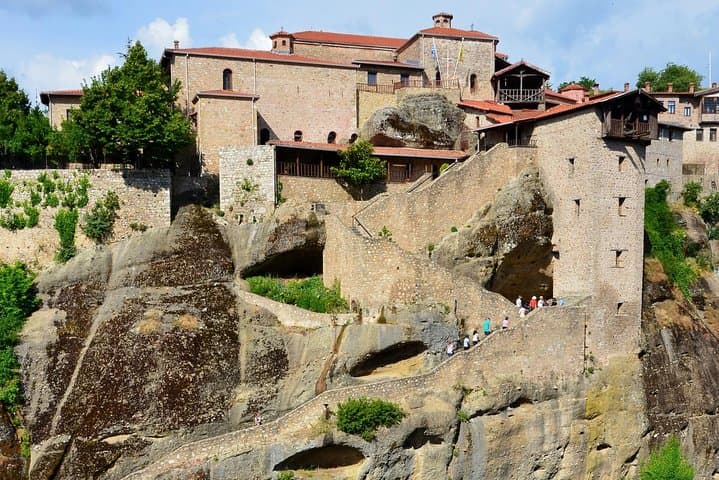
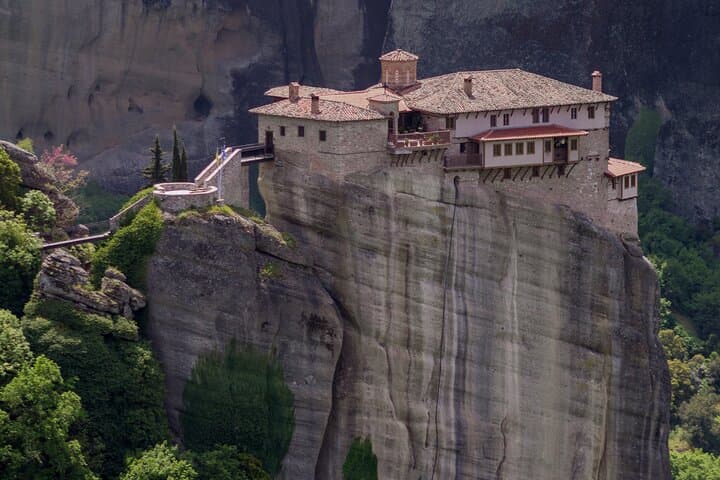
Meteora’s cliffs were carved during the Paleogene and Neogene periods as rivers deposited layers of sandstone and conglomerate. By the 11th–14th centuries, hermit monks and ascetics used ropes and ladders to reach these pinnacles and establish the monasteries that grew into a Byzantine monastic community. The remaining six monasteries—now UNESCO-protected—hold frescoed chapels, wooden iconostases, and narrow courtyards where history is tactile.
The tour stitches transport and local knowledge into a single long day: an early train from Athens, a bus link to Kalambaka, stops for photos and three monastery visits (entrance fees separate), and time in town for lunch. Expect uneven steps, short uphill climbs to monastery entrances, and stretches where wind scours the rock.
Practical guidance: carry cash for the modest entrance fees (around €3–5 per monastery), wear sturdy shoes with grip, and bring sun protection; winds can be sharp even on warm days. Start early to avoid crowds and follow dress codes—shoulders and knees covered—out of respect and to gain entry. Hydrate and plan for a full 12–14 hour day if leaving from Athens. For those who want a sensory day of geology, orthodox art, and cliffside panoramas, Meteora delivers a compact, unforgettable loop of landscape and faith.
easy.
12–14 hours.
Suitable for travelers in average fitness; comfortable walking and climbing short flights of stairs required.
No—entrance is paid on-site at most monasteries and is usually around €3–5 per monastery.
With the Paleofarsalos connection the one‑way rail/bus link takes roughly 3.5–4.5 hours depending on connections.
Limited mobility may be restricted: several monasteries require climbing steep steps and have uneven surfaces; one accessible monastery (St. Stephen) has easier access.
Yes—the itinerary includes about an hour in Kalambaka for lunch or coffee between monastery visits and the return transfer.
Monastic life on Meteora began in the Byzantine era when hermits used ropes and ladders to inhabit isolated caves; the largest monasteries date from the 14th century onward.
Meteora is a UNESCO site with visitor limits and conservation fees; follow marked trails, respect restricted areas, and avoid feeding wildlife to reduce impact.
Meteora Rocks operates guided outdoor trips and adventures with an emphasis on safety, stewardship, and memorable experiences.
A pre-dawn platform in Athens, a handful of sleepers with coffees, and the train sliding out of Larissis Station—this is where the day's pace is set. Rolling fields give way to limestone towers; by midmorning the rocks of Meteora rise like living columns, their sheer faces daring you to look up.
A pre-dawn platform in Athens, a handful of sleepers with coffees, and the train sliding out of Larissis Station—this is where the day's pace is set. Rolling fields give way to limestone towers; by midmorning the rocks of Meteora rise like living columns, their sheer faces daring you to look up.
Meteora’s cliffs were carved during the Paleogene and Neogene periods as rivers deposited layers of sandstone and conglomerate. By the 11th–14th centuries, hermit monks and ascetics used ropes and ladders to reach these pinnacles and establish the monasteries that grew into a Byzantine monastic community. The remaining six monasteries—now UNESCO-protected—hold frescoed chapels, wooden iconostases, and narrow courtyards where history is tactile.
The tour stitches transport and local knowledge into a single long day: an early train from Athens, a bus link to Kalambaka, stops for photos and three monastery visits (entrance fees separate), and time in town for lunch. Expect uneven steps, short uphill climbs to monastery entrances, and stretches where wind scours the rock.
Practical guidance: carry cash for the modest entrance fees (around €3–5 per monastery), wear sturdy shoes with grip, and bring sun protection; winds can be sharp even on warm days. Start early to avoid crowds and follow dress codes—shoulders and knees covered—out of respect and to gain entry. Hydrate and plan for a full 12–14 hour day if leaving from Athens. For those who want a sensory day of geology, orthodox art, and cliffside panoramas, Meteora delivers a compact, unforgettable loop of landscape and faith.