THE ADVENTURE COLLECTIVE® · Independent discovery and booking for outdoor travel

Depart from Alexandria Port for a full-day road trip to the Giza Plateau and the Egyptian Museum in Cairo. Expect close-up views of the Great Pyramid, the Sphinx, and a trove of Pharaonic artifacts—plus practical tips for navigating heat, crowds, and security.
Depart from Alexandria Port for a full-day road trip to the Giza Plateau and the Egyptian Museum in Cairo. Expect close-up views of the Great Pyramid, the Sphinx, and a trove of Pharaonic artifacts—plus practical tips for navigating heat, crowds, and security.
You step off a sun-warmed ship onto Alexandria’s port and the air tastes of salt and diesel; an air-conditioned van waits, and the highway unfurls toward the high, dry plateau of Giza.
Verified experiences and guided adventures in the surrounding area.
Operated by This Is Egypt · Giza, Giza Governorate
You step off a sun-warmed ship onto Alexandria’s port and the air tastes of salt and diesel; an air-conditioned van waits, and the highway unfurls toward the high, dry plateau of Giza.
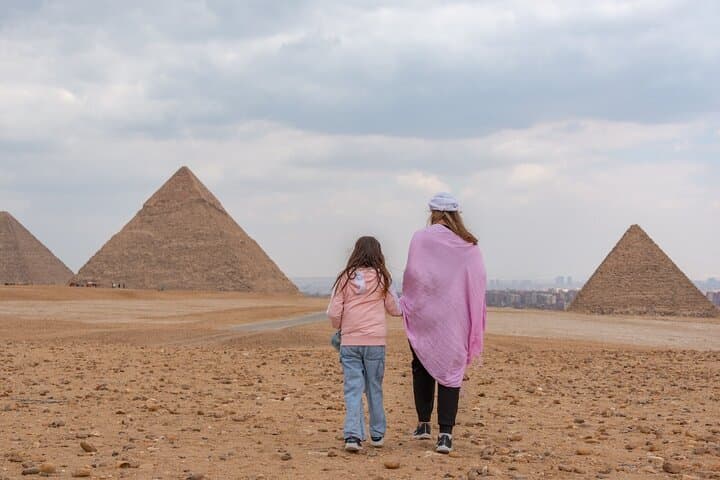
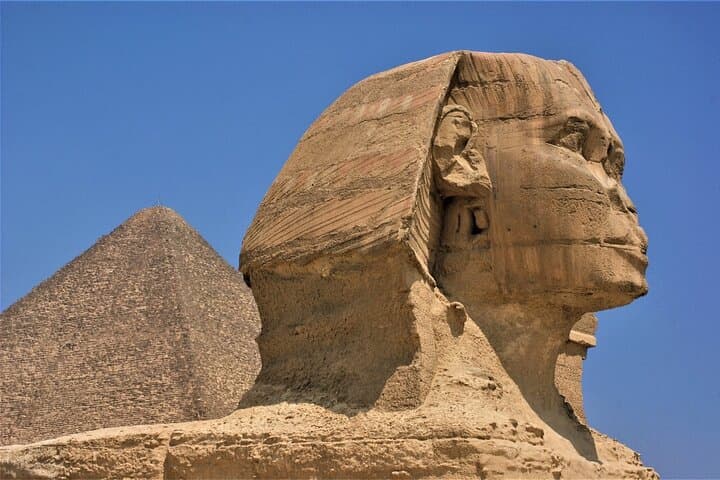
By midmorning the desert opens like a page in an ancient book—sand and limestone folded into the silhouette of the Great Pyramid, its faces catching light as if remembering hands that quarried and set each stone. The Sphinx reclines nearby, its weathered face watching the city that grew around its shadow.
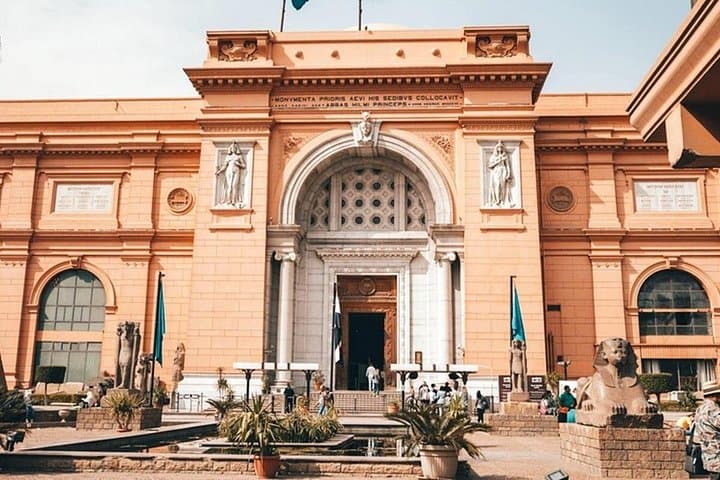
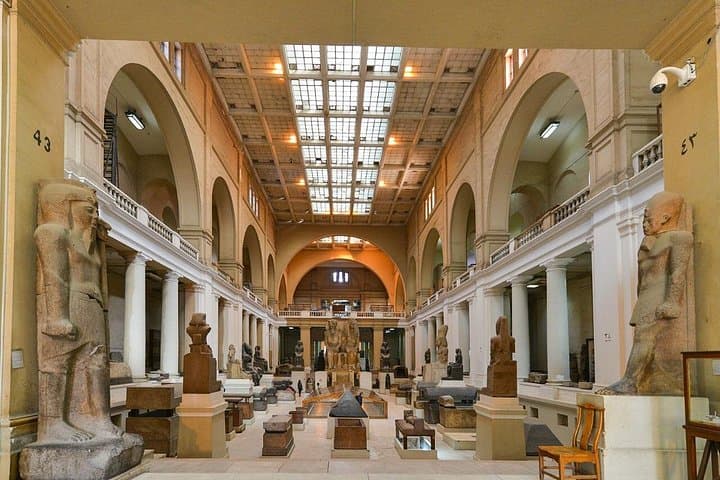
These monuments date to the Fourth Dynasty, roughly 4,500 years ago, when colossal tombs and mortuary temples anchored a landscape of ritual and statecraft. Geologically, the plateau is Pleistocene limestone; erosion and salt weathering have sculpted the stone faces we see today. In Cairo’s Egyptian Museum, just beyond the Nile’s bustle, galleries assemble millennia: painted coffins, funerary masks, and the goldwork of Tutankhamun draw a line from pharaonic power to modern archaeology.
Expect a long day: hours on the road to and from Alexandria, guided walks across uneven stone, and close-up views that reward patience and slow inspection. Practicalities matter—carry sun protection, comfortable shoes, photocopies of travel documents, and enough cash for tips and small purchases. Respect local customs around dress and photography near religious sites; never climb the monuments. Plan to move at the sun’s rhythm—early or late visits avoid peak heat and crowds, and leave room in your schedule for traffic and security checks.
This tour pairs the cinematic scale of Giza with the concentrated artifacts of the museum, delivering a dense, doable immersion in Egypt’s deep past.
easy.
10–12 hours.
Suitable for travelers in normal health who can tolerate periods of standing and short walks on uneven ground
Yes—this tour includes entrance to the Giza Plateau sites and the Egyptian Museum as listed in the itinerary.
The tour lists wheelchair accessibility, but note that uneven terrain at Giza and some museum areas may be challenging; contact the operator to discuss specific needs.
Yes—lunch at a local restaurant is included in the tour inclusions.
Bring your passport (and cruise paperwork); tour booking requests passport details and expiry, and you should carry a photocopy while on site.
The Giza pyramids were constructed during Egypt’s Fourth Dynasty as royal tombs; the Egyptian Museum in Cairo accumulates artifacts spanning over 5,000 years of civilization.
High visitor numbers and urban pollution stress the monuments; follow marked paths, avoid touching fragile stone, and minimize plastic waste to reduce impact.
This Is Egypt operates guided outdoor trips and adventures with an emphasis on safety, stewardship, and memorable experiences.
You step off a sun-warmed ship onto Alexandria’s port and the air tastes of salt and diesel; an air-conditioned van waits, and the highway unfurls toward the high, dry plateau of Giza.
You step off a sun-warmed ship onto Alexandria’s port and the air tastes of salt and diesel; an air-conditioned van waits, and the highway unfurls toward the high, dry plateau of Giza.
By midmorning the desert opens like a page in an ancient book—sand and limestone folded into the silhouette of the Great Pyramid, its faces catching light as if remembering hands that quarried and set each stone. The Sphinx reclines nearby, its weathered face watching the city that grew around its shadow.
These monuments date to the Fourth Dynasty, roughly 4,500 years ago, when colossal tombs and mortuary temples anchored a landscape of ritual and statecraft. Geologically, the plateau is Pleistocene limestone; erosion and salt weathering have sculpted the stone faces we see today. In Cairo’s Egyptian Museum, just beyond the Nile’s bustle, galleries assemble millennia: painted coffins, funerary masks, and the goldwork of Tutankhamun draw a line from pharaonic power to modern archaeology.
Expect a long day: hours on the road to and from Alexandria, guided walks across uneven stone, and close-up views that reward patience and slow inspection. Practicalities matter—carry sun protection, comfortable shoes, photocopies of travel documents, and enough cash for tips and small purchases. Respect local customs around dress and photography near religious sites; never climb the monuments. Plan to move at the sun’s rhythm—early or late visits avoid peak heat and crowds, and leave room in your schedule for traffic and security checks.
This tour pairs the cinematic scale of Giza with the concentrated artifacts of the museum, delivering a dense, doable immersion in Egypt’s deep past.