THE ADVENTURE COLLECTIVE® · Independent discovery and booking for outdoor travel

A full‑day guided loop from Addis Ababa to Tiya’s UNESCO stelae, Melka Kunture’s prehistoric finds and the rock‑hewn church of Adadi Mariam. Ideal for history buffs and travelers wanting deep time and living traditions in one day.
A full‑day guided loop from Addis Ababa to Tiya’s UNESCO stelae, Melka Kunture’s prehistoric finds and the rock‑hewn church of Adadi Mariam. Ideal for history buffs and travelers wanting deep time and living traditions in one day.
You step out of an air‑conditioned minivan into highland sun; the road hums behind you while the landscape ahead opens into scrub, cultivated fields and the odd thorny acacia daring you to cross it. This single‑day loop from Addis Ababa threads three distinct chapters of Ethiopia’s past: Tiya’s standing stones, Melka Kunture’s prehistoric deposits and the rock‑carved silhouette of Adadi Mariam.
Verified experiences and guided adventures in the surrounding area.
Operated by Guide to Addis · Addis Ababa, Addis Ababa
You step out of an air‑conditioned minivan into highland sun; the road hums behind you while the landscape ahead opens into scrub, cultivated fields and the odd thorny acacia daring you to cross it. This single‑day loop from Addis Ababa threads three distinct chapters of Ethiopia’s past: Tiya’s standing stones, Melka Kunture’s prehistoric deposits and the rock‑carved silhouette of Adadi Mariam.
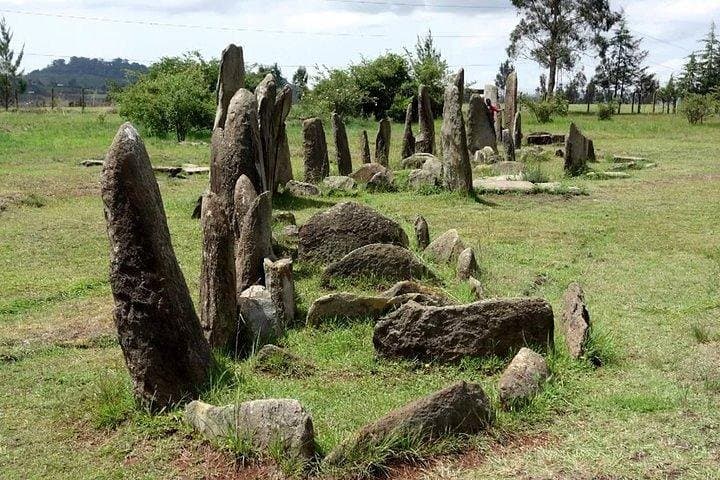
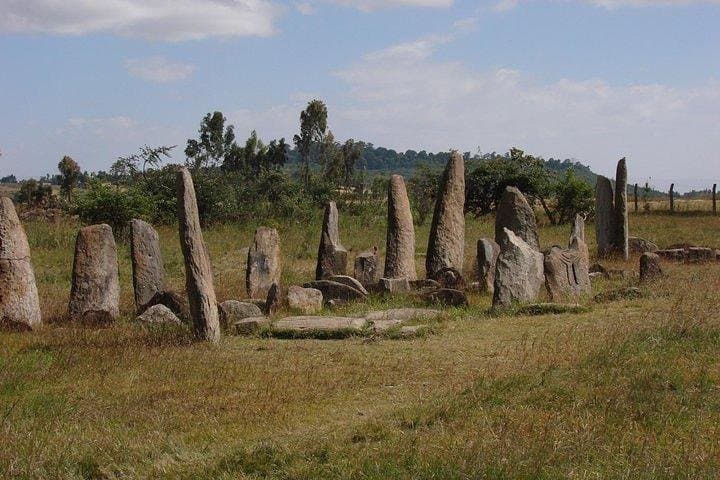
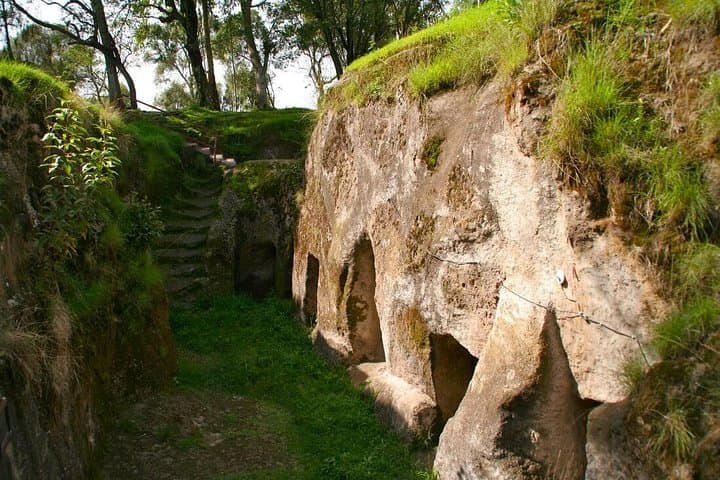
Tiya’s engraved stelae mark a medieval puzzle of warriors, swords and geometric signs, a UNESCO site that anchors later ritual landscapes to ancient craft. Melka Kunture, by contrast, is a deep time page — a valley of stone tools and fossil fragments that trace hominin activity in the Rift’s eastern margins. Adadi Mariam’s church, hewn from volcanic tuff and often attributed in style to influences from Lalibela, offers a tactile look at Ethiopia’s living Christian traditions and the monastic culture sustained there.
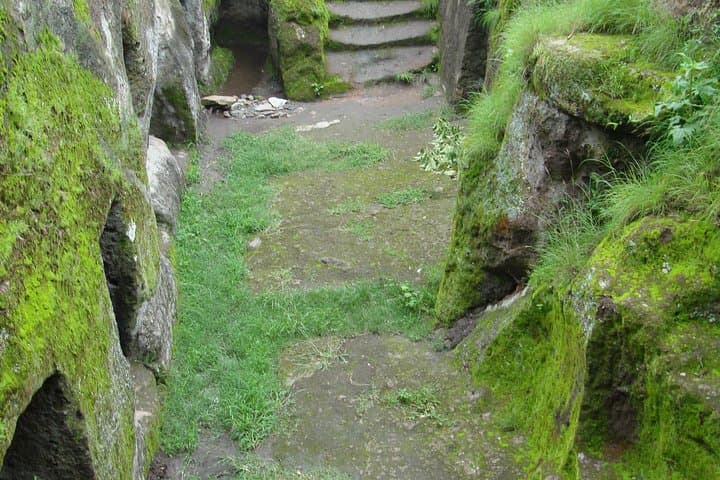
The terrain on this route is low hills, farm tracks and short stone steps — not demanding but uneven underfoot. Guides normally time short walks at each stop; expect 30–90 minute visits plus museum time at Melka Kunture. Local villages punctuate the stops, where roadside stalls sell coffee and injera; your guide can translate and arrange purchases.
Practical note: bring sunscreen, a refillable water bottle and sturdy shoes; mornings are coolest and light is best for photography. Respect marked areas at archaeological sites, and plan for a 9‑hour day with hotel pickup and drop‑off from Addis Ababa.
easy.
9 hours.
Suitable for travelers in average physical shape; involves short walks and standing at exhibits.
The excursion is approximately 9 hours with hotel pickup and drop‑off from Addis Ababa; it includes a guide, driver, entrance fees and bottled water.
Walking is generally short and moderate — mostly on uneven ground, short steps and earthen tracks; suitable for most fitness levels.
Restrooms are available at larger stops and the Melka Kunture museum; bring snacks or buy simple local food at roadside stalls during the day.
Yes — the tour notes indicate it’s accessible for infants and small children, but infants must sit on laps; confirm any specific needs when booking.
Tiya’s stelae are part of a cluster of Ethiopian megalithic monuments dating to the medieval period, while Melka Kunture preserves stone‑tool industries and fossils that push human activity in the area back over a million years; Adadi Mariam reflects the rock‑hewn church tradition influenced by Lalibela-era architecture.
Sites are protected and fragile; stay on designated paths, avoid touching carved surfaces and support local guides who help manage visitor impact.
Guide to Addis operates guided outdoor trips and adventures with an emphasis on safety, stewardship, and memorable experiences.
You step out of an air‑conditioned minivan into highland sun; the road hums behind you while the landscape ahead opens into scrub, cultivated fields and the odd thorny acacia daring you to cross it. This single‑day loop from Addis Ababa threads three distinct chapters of Ethiopia’s past: Tiya’s standing stones, Melka Kunture’s prehistoric deposits and the rock‑carved silhouette of Adadi Mariam.
You step out of an air‑conditioned minivan into highland sun; the road hums behind you while the landscape ahead opens into scrub, cultivated fields and the odd thorny acacia daring you to cross it. This single‑day loop from Addis Ababa threads three distinct chapters of Ethiopia’s past: Tiya’s standing stones, Melka Kunture’s prehistoric deposits and the rock‑carved silhouette of Adadi Mariam.
Tiya’s engraved stelae mark a medieval puzzle of warriors, swords and geometric signs, a UNESCO site that anchors later ritual landscapes to ancient craft. Melka Kunture, by contrast, is a deep time page — a valley of stone tools and fossil fragments that trace hominin activity in the Rift’s eastern margins. Adadi Mariam’s church, hewn from volcanic tuff and often attributed in style to influences from Lalibela, offers a tactile look at Ethiopia’s living Christian traditions and the monastic culture sustained there.
The terrain on this route is low hills, farm tracks and short stone steps — not demanding but uneven underfoot. Guides normally time short walks at each stop; expect 30–90 minute visits plus museum time at Melka Kunture. Local villages punctuate the stops, where roadside stalls sell coffee and injera; your guide can translate and arrange purchases.
Practical note: bring sunscreen, a refillable water bottle and sturdy shoes; mornings are coolest and light is best for photography. Respect marked areas at archaeological sites, and plan for a 9‑hour day with hotel pickup and drop‑off from Addis Ababa.