THE ADVENTURE COLLECTIVE® · Independent discovery and booking for outdoor travel

Ride through Chicago’s night as guides illuminate haunted buildings, forgotten disasters and lakeside lore. This three-hour Halloween bike tour combines local history, urban architecture and spooky storytelling—perfect for riders who want a different kind of city night.
Ride through Chicago’s night as guides illuminate haunted buildings, forgotten disasters and lakeside lore. This three-hour Halloween bike tour combines local history, urban architecture and spooky storytelling—perfect for riders who want a different kind of city night.
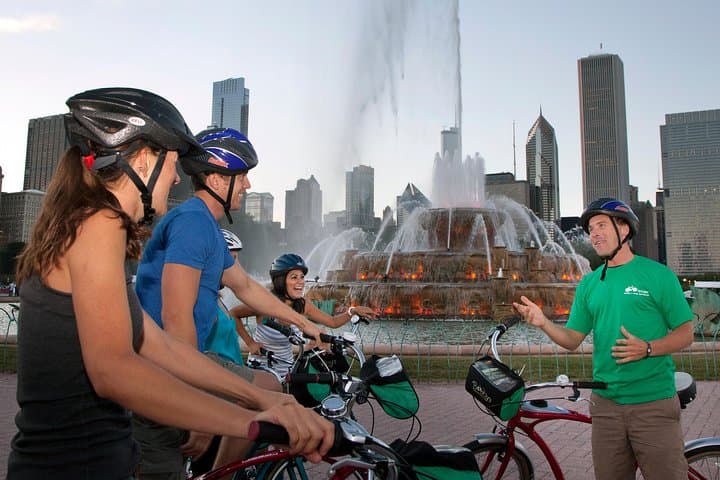
Dusk slides down the glass faces of Streeterville and a row of bicycle lights becomes a ribbon of small, deliberate stars. Guides count heads, click helmets into place and hand out front and rear lights; the city’s architecture—steel ribs, limestone faces, shadowed alleys—takes on a different grammar after sunset. You pedal away from 540 N. Lake Shore Drive with a group of strangers who laugh nervously whenever a guide slows to tell the next story. The wind off Lake Michigan dares you to look over your shoulder.
Verified experiences and guided adventures in the surrounding area.
Operated by Bobby's Bike Hike - Chicago · Chicago, Illinois
Dusk slides down the glass faces of Streeterville and a row of bicycle lights becomes a ribbon of small, deliberate stars. Guides count heads, click helmets into place and hand out front and rear lights; the city’s architecture—steel ribs, limestone faces, shadowed alleys—takes on a different grammar after sunset. You pedal away from 540 N. Lake Shore Drive with a group of strangers who laugh nervously whenever a guide slows to tell the next story. The wind off Lake Michigan dares you to look over your shoulder.
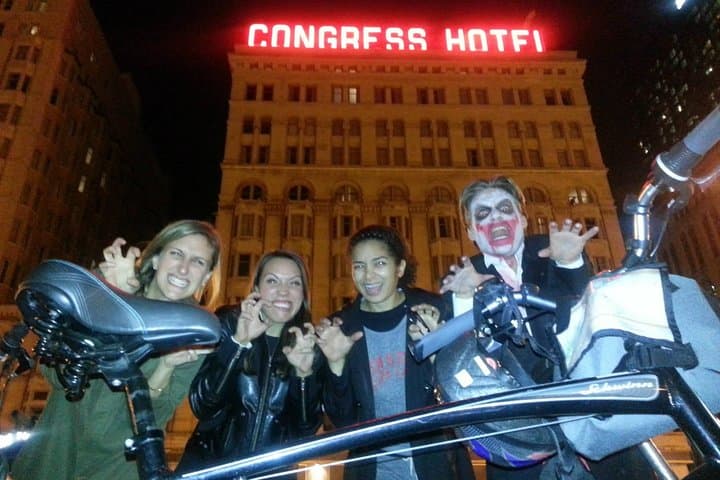
The ride stitches together Chicago’s most notorious chapters of misfortune and rumor. The John Hancock Center, a vertical claim on the skyline, carries stories of structural drama and workers’ tragedies as well as urban legend. The Iroquois (now the Oriental Theatre) keeps the memory of the 1903 fire alive; the Congress Plaza Hotel’s lobby is a slow, creaky archive of whispered reports about rooms that were closed and never reopened. The SS Eastland disaster of 1915—one of America’s deadliest peacetime maritime tragedies—tethers the lakefront to an older, grimmer Chicago. Guides braid historical fact with first-hand accounts and local superstition, giving the city’s streets an after-dark pulse.
Geology here is subtle but present: the wind-polished shoreline of Lake Michigan and the compact, glacial clays beneath Grant Park that made the Loop’s rapid development possible. Culture arrives in the cadence of architecture—Art Deco, Chicago School, Beaux-Arts facades that flare under tour lights—and in the cadence of the guides, storytellers who know how to balance a punch line with documentation.
Practically, this is an urban evening ride best suited to people comfortable riding about nine miles on mostly flat pavement. Expect three hours on a comfort-style bike with front and rear lights supplied; guides navigate traffic, stop at intersections and point out safety corridors, but you’re responsible for basic bike handling and situational awareness. Bring a charged phone, a reusable water bottle, closed-toe shoes, and a light layer—the lakeshore can be unexpectedly chilly after sunset. Cash or electronic tip for guides is appreciated.
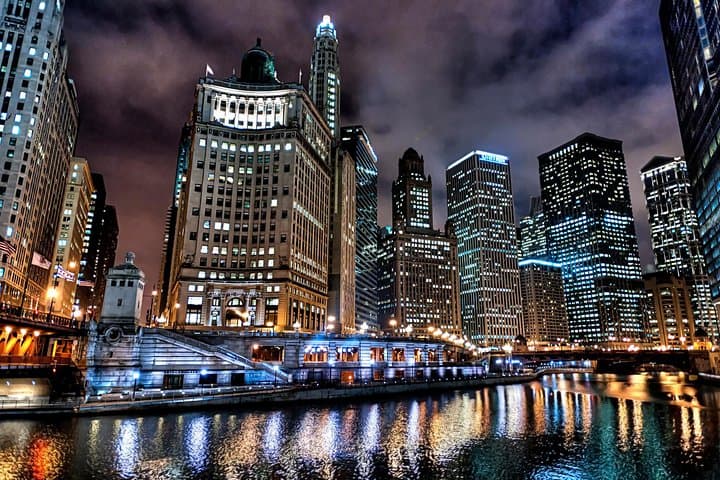
The Fright Hike is equal parts history lesson and performative fun. If you want authentic chills, come ready to listen, keep pace with the group, and let the city’s darker corners do the convincing. For photographers, blue hour and early night capture the most atmosphere: long exposures of lit façades against a deepening sky will illustrate why Chicago’s past keeps following its present.
For practical concerns: arrive 15 minutes early to get fitted, use the restroom beforehand, and plan transport after the tour if you want to continue exploring the lakeshore. This is a tour that invites you to ride through Chicago’s shadow stories—skeptical or not, it’s a compelling way to see the city at night.
moderate.
3 hours.
Moderate fitness; ability to ride roughly 9 miles on a city bike and handle stop-and-go traffic.
The tour runs about three hours and covers roughly nine miles of mostly flat, urban pavement.
Yes—bicycles and helmets are provided, including front and rear lights for night riding.
Children must be strong, capable riders able to manage approximately nine miles; child bikes, seats and tag-alongs are available—confirm when booking.
Tours run rain or shine; extreme weather may force cancellation, in which case you’ll be offered an alternative or refund.
The tour starts and ends at Bobby’s Bike Hike headquarters at 540 N. Lake Shore Drive—arrive 15 minutes early for fit and briefing.
Tipping is customary—$10 per person or more is suggested and can be given in cash, Venmo or PayPal.
The tour threads through sites tied to Chicago’s rapid growth, its 19th-century World’s Fair era and several high-profile tragedies like the SS Eastland disaster and the Iroquois Theatre fire of 1903.
High pedestrian and bike use makes staying on designated paths important; pack out trash and avoid disturbing shoreline vegetation to protect Lake Michigan’s nearshore habitat.
Bobby's Bike Hike - Chicago operates guided outdoor trips and adventures with an emphasis on safety, stewardship, and memorable experiences.
Dusk slides down the glass faces of Streeterville and a row of bicycle lights becomes a ribbon of small, deliberate stars. Guides count heads, click helmets into place and hand out front and rear lights; the city’s architecture—steel ribs, limestone faces, shadowed alleys—takes on a different grammar after sunset. You pedal away from 540 N. Lake Shore Drive with a group of strangers who laugh nervously whenever a guide slows to tell the next story. The wind off Lake Michigan dares you to look over your shoulder.
Dusk slides down the glass faces of Streeterville and a row of bicycle lights becomes a ribbon of small, deliberate stars. Guides count heads, click helmets into place and hand out front and rear lights; the city’s architecture—steel ribs, limestone faces, shadowed alleys—takes on a different grammar after sunset. You pedal away from 540 N. Lake Shore Drive with a group of strangers who laugh nervously whenever a guide slows to tell the next story. The wind off Lake Michigan dares you to look over your shoulder.
The ride stitches together Chicago’s most notorious chapters of misfortune and rumor. The John Hancock Center, a vertical claim on the skyline, carries stories of structural drama and workers’ tragedies as well as urban legend. The Iroquois (now the Oriental Theatre) keeps the memory of the 1903 fire alive; the Congress Plaza Hotel’s lobby is a slow, creaky archive of whispered reports about rooms that were closed and never reopened. The SS Eastland disaster of 1915—one of America’s deadliest peacetime maritime tragedies—tethers the lakefront to an older, grimmer Chicago. Guides braid historical fact with first-hand accounts and local superstition, giving the city’s streets an after-dark pulse.
Geology here is subtle but present: the wind-polished shoreline of Lake Michigan and the compact, glacial clays beneath Grant Park that made the Loop’s rapid development possible. Culture arrives in the cadence of architecture—Art Deco, Chicago School, Beaux-Arts facades that flare under tour lights—and in the cadence of the guides, storytellers who know how to balance a punch line with documentation.
Practically, this is an urban evening ride best suited to people comfortable riding about nine miles on mostly flat pavement. Expect three hours on a comfort-style bike with front and rear lights supplied; guides navigate traffic, stop at intersections and point out safety corridors, but you’re responsible for basic bike handling and situational awareness. Bring a charged phone, a reusable water bottle, closed-toe shoes, and a light layer—the lakeshore can be unexpectedly chilly after sunset. Cash or electronic tip for guides is appreciated.
The Fright Hike is equal parts history lesson and performative fun. If you want authentic chills, come ready to listen, keep pace with the group, and let the city’s darker corners do the convincing. For photographers, blue hour and early night capture the most atmosphere: long exposures of lit façades against a deepening sky will illustrate why Chicago’s past keeps following its present.
For practical concerns: arrive 15 minutes early to get fitted, use the restroom beforehand, and plan transport after the tour if you want to continue exploring the lakeshore. This is a tour that invites you to ride through Chicago’s shadow stories—skeptical or not, it’s a compelling way to see the city at night.