THE ADVENTURE COLLECTIVE® · Independent discovery and booking for outdoor travel

On select Friday the 13ths, Salem’s streets become a stage for superstition and story. This 90‑minute outdoor walking tour pairs verified history with local ghost lore, guiding you from Old Town Hall past the Witch House exterior to a small historic cemetery.
On select Friday the 13ths, Salem’s streets become a stage for superstition and story. This 90‑minute outdoor walking tour pairs verified history with local ghost lore, guiding you from Old Town Hall past the Witch House exterior to a small historic cemetery.
Step off the square as twilight lowers over Washington Street and the gaslamps throw long shadows across brick sidewalks. The air in Salem carries the smell of salt and old wood; on a Friday the 13th the town’s usual curiosity sharpens into an expectant hush. Guides lead a compact group past weathered façades, the Witch House exterior, and one of Salem’s famed hotels while telling the local superstitions and ghost stories that shaped the town’s modern mythscape.
Verified experiences and guided adventures in the surrounding area.
Operated by Witch City Walking Tours · Salem, Massachusetts
Step off the square as twilight lowers over Washington Street and the gaslamps throw long shadows across brick sidewalks. The air in Salem carries the smell of salt and old wood; on a Friday the 13th the town’s usual curiosity sharpens into an expectant hush. Guides lead a compact group past weathered façades, the Witch House exterior, and one of Salem’s famed hotels while telling the local superstitions and ghost stories that shaped the town’s modern mythscape.
Salem’s identity is braided with 17th‑century trials, mercantile prosperity, and a later reinvention as a center for occult tourism. The geology of the area—glacially scoured bedrock and coastal inlets—gives way to narrow streets and dense urban fabric that concentrate sound and rumor, making a whispered tale feel immediate. Culturally, the tour sits at the intersection of recorded history and oral legend: expect factual anchors like trial-era sites alongside folklore about unlucky omens, black cats, and haunted inns.
Practically, this 90‑minute outdoor walk covers compact distance on uneven, often brick sidewalks with narrow passages and occasional street crossings. The group size can reach 40; wear comfortable, grippy shoes and a light layer for coastal wind. Photography is welcome but the tour does not enter buildings or cemeteries. Bring a small flashlight for late-evening pickups and plan restroom stops beforehand—there are none on route. For visitors interested in deeper context, combine the outing with daytime museum visits to compare archival history with the stories told after dark.
easy.
1.5 hours.
Suitable for most people who can walk for roughly 90 minutes on uneven urban sidewalks
The tour is listed as wheelchair accessible, but Salem’s brick sidewalks and narrow areas may be uneven—participants assume responsibility for mobility aids.
No—this is an outdoor tour and does not enter any buildings or cemetery interiors; stops are exterior only.
Service animals are allowed, and some tours are dog friendly, but standard leashes and consideration for other guests are required.
Tours run rain or shine and are not canceled for typical weather—dress appropriately and expect the guide to proceed unless conditions are hazardous.
Salem’s witch trials of 1692 remain the defining historical event, but the town’s maritime trade and 19th‑century shipbuilding also shaped its built environment and folklore.
High visitor volumes in downtown Salem impact fragile historic sidewalks and storefronts—stick to paved paths, avoid climbing on structures, and support local preservation efforts by following guide instructions.
Witch City Walking Tours operates guided outdoor trips and adventures with an emphasis on safety, stewardship, and memorable experiences.

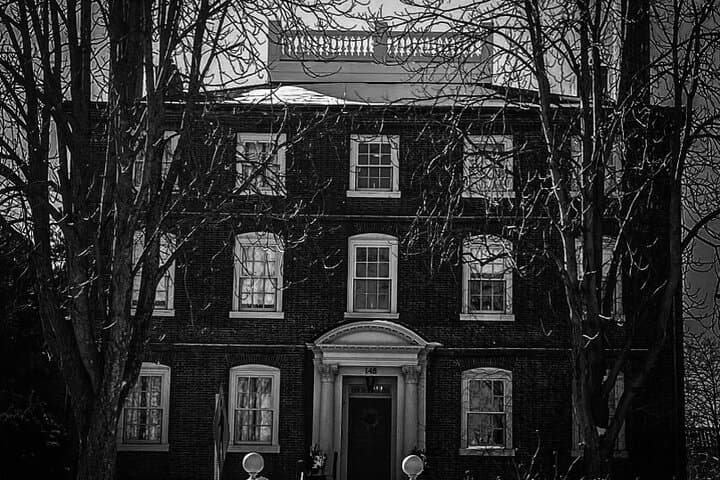
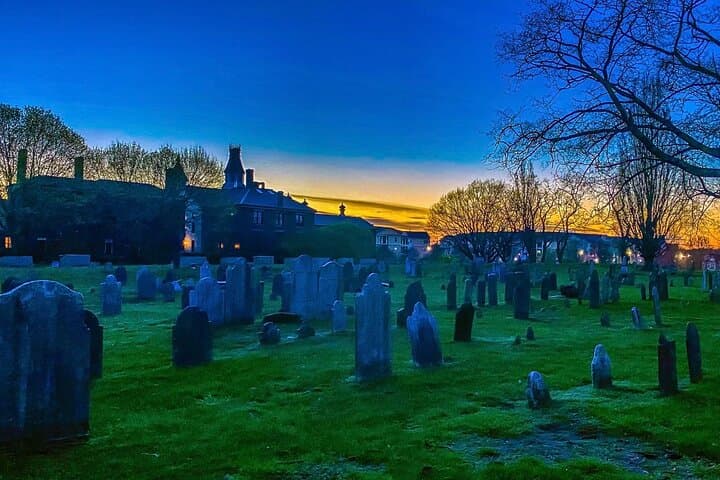
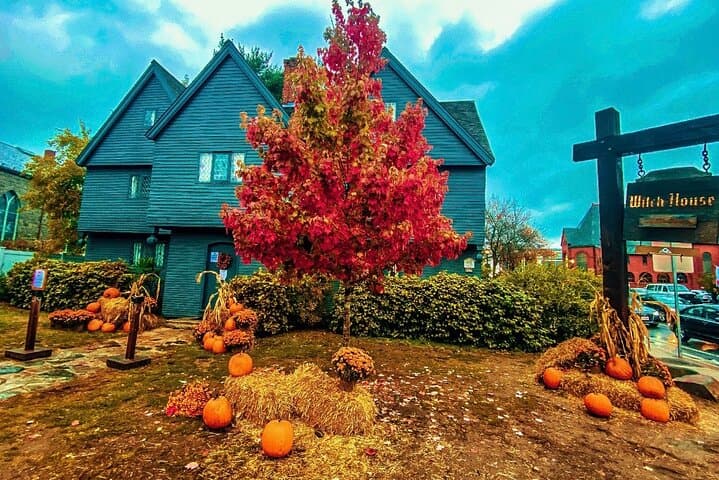
Step off the square as twilight lowers over Washington Street and the gaslamps throw long shadows across brick sidewalks. The air in Salem carries the smell of salt and old wood; on a Friday the 13th the town’s usual curiosity sharpens into an expectant hush. Guides lead a compact group past weathered façades, the Witch House exterior, and one of Salem’s famed hotels while telling the local superstitions and ghost stories that shaped the town’s modern mythscape.
Step off the square as twilight lowers over Washington Street and the gaslamps throw long shadows across brick sidewalks. The air in Salem carries the smell of salt and old wood; on a Friday the 13th the town’s usual curiosity sharpens into an expectant hush. Guides lead a compact group past weathered façades, the Witch House exterior, and one of Salem’s famed hotels while telling the local superstitions and ghost stories that shaped the town’s modern mythscape.
Salem’s identity is braided with 17th‑century trials, mercantile prosperity, and a later reinvention as a center for occult tourism. The geology of the area—glacially scoured bedrock and coastal inlets—gives way to narrow streets and dense urban fabric that concentrate sound and rumor, making a whispered tale feel immediate. Culturally, the tour sits at the intersection of recorded history and oral legend: expect factual anchors like trial-era sites alongside folklore about unlucky omens, black cats, and haunted inns.
Practically, this 90‑minute outdoor walk covers compact distance on uneven, often brick sidewalks with narrow passages and occasional street crossings. The group size can reach 40; wear comfortable, grippy shoes and a light layer for coastal wind. Photography is welcome but the tour does not enter buildings or cemeteries. Bring a small flashlight for late-evening pickups and plan restroom stops beforehand—there are none on route. For visitors interested in deeper context, combine the outing with daytime museum visits to compare archival history with the stories told after dark.