THE ADVENTURE COLLECTIVE® · Independent discovery and booking for outdoor travel

Taste raw fish aged from 1 to 12+ days and learn to read freshness like an expert. This two-hour private workshop at the Fonda Fish Garden combines hands-on tasting, sustainability lessons, and practical fish-handling skills.
Taste raw fish aged from 1 to 12+ days and learn to read freshness like an expert. This two-hour private workshop at the Fonda Fish Garden combines hands-on tasting, sustainability lessons, and practical fish-handling skills.
You arrive at the Fonda Fish Garden with a tasting board in front of you and the quiet attention of people who came to learn, not just sample. The space is practical — wooden tables, small plates, and the steady, saline scent that announces the subject: fresh fish. An expert guide introduces the course and the lifecycle of freshness before the first fillet touches your tongue.
Verified experiences and guided adventures in the surrounding area.
Operated by An Unforgettable Day at the Fonda Fish Garden · Ljubljana, Central Slovenia
You arrive at the Fonda Fish Garden with a tasting board in front of you and the quiet attention of people who came to learn, not just sample. The space is practical — wooden tables, small plates, and the steady, saline scent that announces the subject: fresh fish. An expert guide introduces the course and the lifecycle of freshness before the first fillet touches your tongue.
The workshop traces a short cultural history of Slovenian seafood and the regional practices of preserving and maturing fish. Geology and climate come into play — cold Adriatic-influenced waters and inland transport shape how quickly fish arrive and how chefs use controlled aging to alter texture and flavor. The session focuses on practical identification of freshness: smell, flesh tension, and subtle color shifts.
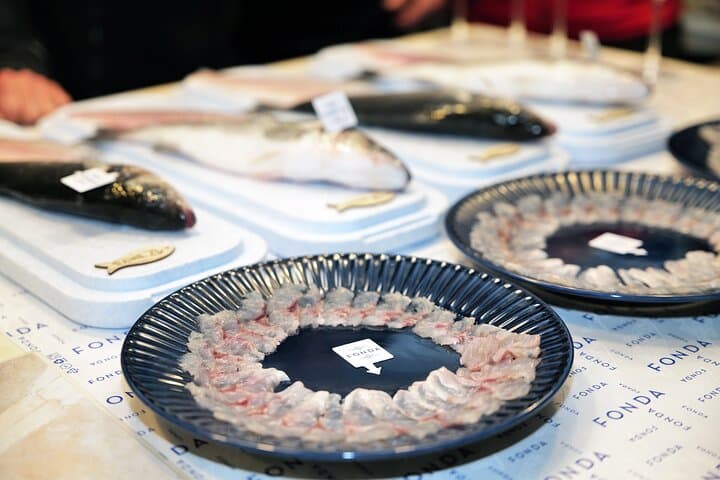
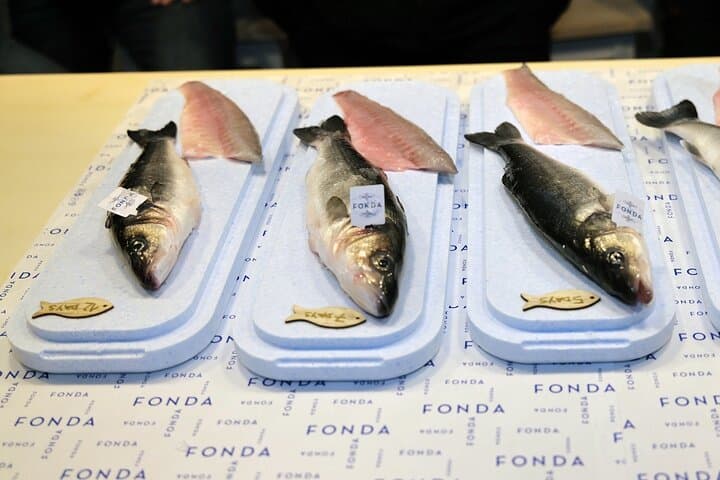
Participants taste raw fillets aged 1, 3, 5, 7, 10 and 12+ days, comparing untreated samples with a finishing of extra virgin olive oil and fleur de sel. Where taste tests can be theatrical, this one is methodical: vote, compare, and learn the science behind enzymatic changes and safe handling.
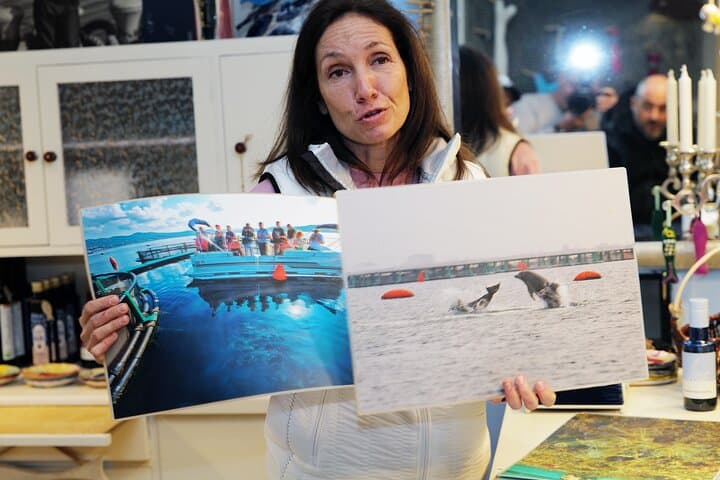
For travelers, the Academy is both a sensory lab and a compact lesson in sustainability — how farming practices and cold chains reduce waste and enhance flavor. Expect two hours of seated tasting, Q&A with the guide, and practical tips on buying and storing fish back home. Bring an appetite, a pen for notes, and a willingness to reassess what “fresh” means.
easy.
2 hours.
Minimal physical exertion; suitable for most adults comfortable sitting for 2 hours
The workshop involves raw fish and is not recommended for pregnant travelers or those with weakened immune systems.
You’ll sample several fillets across stages of maturation — typically 6–8 comparisons including plain and olive-oil-finished versions.
Notify the provider when booking; they can usually adjust samples for allergies or strong dietary restrictions but raw fish variants are central to the program.
Yes — the guide covers practical tips on refrigeration, vacuum sealing, and safe maturation windows so you can experiment responsibly.
Slovenia’s seafood culture links coastal harvesting with inland culinary traditions; small-scale farms and kitchens have adapted preservation techniques to local transport realities.
The workshop highlights sustainable sourcing and cold-chain practices that reduce waste; participants are encouraged to ask about origin and farming methods when buying fish.
An Unforgettable Day at the Fonda Fish Garden operates guided outdoor trips and adventures with an emphasis on safety, stewardship, and memorable experiences.
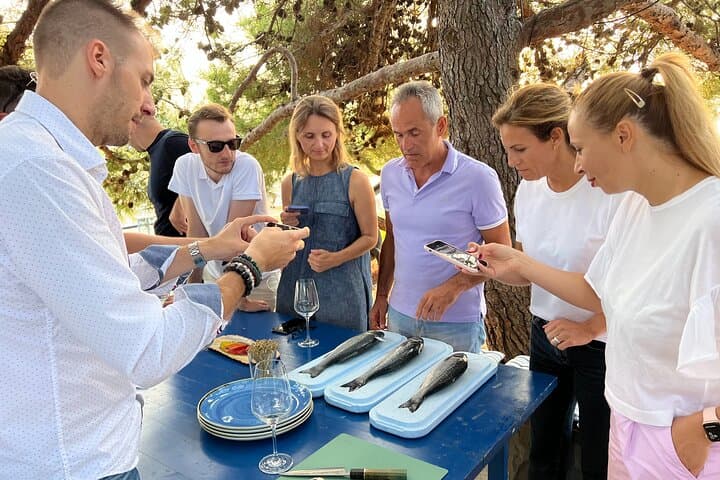
You arrive at the Fonda Fish Garden with a tasting board in front of you and the quiet attention of people who came to learn, not just sample. The space is practical — wooden tables, small plates, and the steady, saline scent that announces the subject: fresh fish. An expert guide introduces the course and the lifecycle of freshness before the first fillet touches your tongue.
You arrive at the Fonda Fish Garden with a tasting board in front of you and the quiet attention of people who came to learn, not just sample. The space is practical — wooden tables, small plates, and the steady, saline scent that announces the subject: fresh fish. An expert guide introduces the course and the lifecycle of freshness before the first fillet touches your tongue.
The workshop traces a short cultural history of Slovenian seafood and the regional practices of preserving and maturing fish. Geology and climate come into play — cold Adriatic-influenced waters and inland transport shape how quickly fish arrive and how chefs use controlled aging to alter texture and flavor. The session focuses on practical identification of freshness: smell, flesh tension, and subtle color shifts.
Participants taste raw fillets aged 1, 3, 5, 7, 10 and 12+ days, comparing untreated samples with a finishing of extra virgin olive oil and fleur de sel. Where taste tests can be theatrical, this one is methodical: vote, compare, and learn the science behind enzymatic changes and safe handling.
For travelers, the Academy is both a sensory lab and a compact lesson in sustainability — how farming practices and cold chains reduce waste and enhance flavor. Expect two hours of seated tasting, Q&A with the guide, and practical tips on buying and storing fish back home. Bring an appetite, a pen for notes, and a willingness to reassess what “fresh” means.