THE ADVENTURE COLLECTIVE® · Independent discovery and booking for outdoor travel

Walk the Gothic Quarter in French, from Roman streets to the Born market, ending with three pintxos and a drink at a traditional bar. This two-hour private tour blends history, city fabric and a concise tasting of Basque-style small plates.
Walk the Gothic Quarter in French, from Roman streets to the Born market, ending with three pintxos and a drink at a traditional bar. This two-hour private tour blends history, city fabric and a concise tasting of Basque-style small plates.
A small group steps off Passeig del Born and into streets that have been arguing with the sea for centuries—stone alleys that curve like questions, shopfronts that quietly point to a vanished port. The guide speaks French; the voices of the city reply in Catalan and Spanish as you move from medieval squares to the glass-fronted modernity of the Olympic Port.
Verified experiences and guided adventures in the surrounding area.
Operated by Visiter Barcelone en Francais · Barcelona, Catalonia
A small group steps off Passeig del Born and into streets that have been arguing with the sea for centuries—stone alleys that curve like questions, shopfronts that quietly point to a vanished port. The guide speaks French; the voices of the city reply in Catalan and Spanish as you move from medieval squares to the glass-fronted modernity of the Olympic Port.
Barcelona's core is a patchwork of eras: Roman gridlines beneath the Gothic Quarter, Catalan modernisme visible in nearby concert halls, and the 19th-century arc of the Ciutadella and the Arc de Triomf. Geologically the city sits where the coastal plain meets the Collserola ridge, so walks shift from flat market streets to slight rises and viewpoints where the Mediterranean glints.
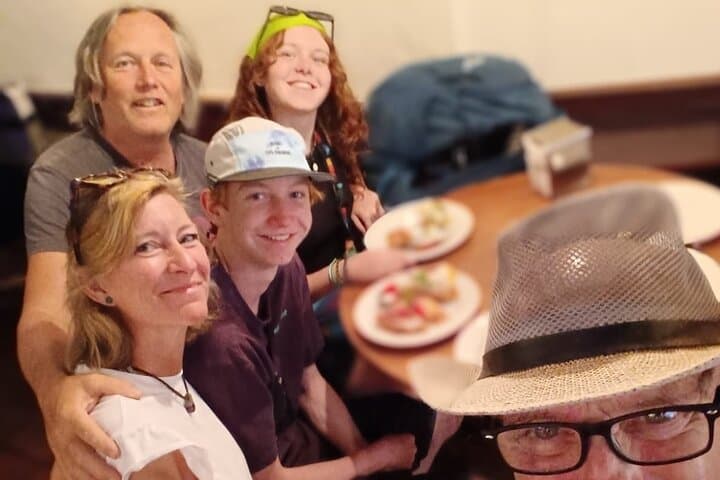
Culturally the Born and Gothic districts are living neighborhoods—markets, churches like Santa Maria del Mar, and tucked-away monastic ruins that tell stories of trade, craft and civic life. The tour finishes at a traditional pintxos bar where three skewered bites and a drink are served in convivial silence and explanation.
Practical guidance: expect two hours on mostly paved surfaces with several short stops; wear comfortable shoes for narrow cobbles and bring a small bag for purchases. Midday tours catch market bustle, evenings bring bar energy but larger crowds—book ahead for small-group slots limited to eight.
Accessibility: routes are stroller and wheelchair friendly for main stretches but ask the operator about specific doorways and restaurants. For food preferences, notify the guide in advance to adapt tastings.
easy.
2 hours.
Suitable for most fitness levels; able to walk on uneven city pavements for two hours
Yes, the guide conducts the entire tour in French; private bookings require a minimum of two adults.
Yes—three pintxos per person plus a drink at the designated restaurant are included in the price.
Duplicate field removed
The meeting point is the Born Cultural Center; exact pickup details are provided after booking and can be adjusted with advance notice.
The Gothic Quarter contains Roman ruins under its streets and medieval structures like Santa Maria del Mar, reflecting Barcelona’s growth from Roman settlement to medieval trading hub.
Support small local businesses and avoid single-use plastics; stick to marked streets to protect underground archaeological remains.
Visiter Barcelone en Francais operates guided outdoor trips and adventures with an emphasis on safety, stewardship, and memorable experiences.

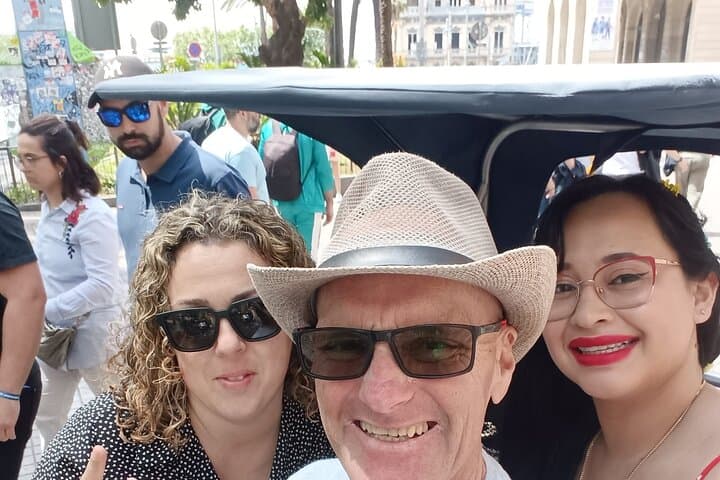
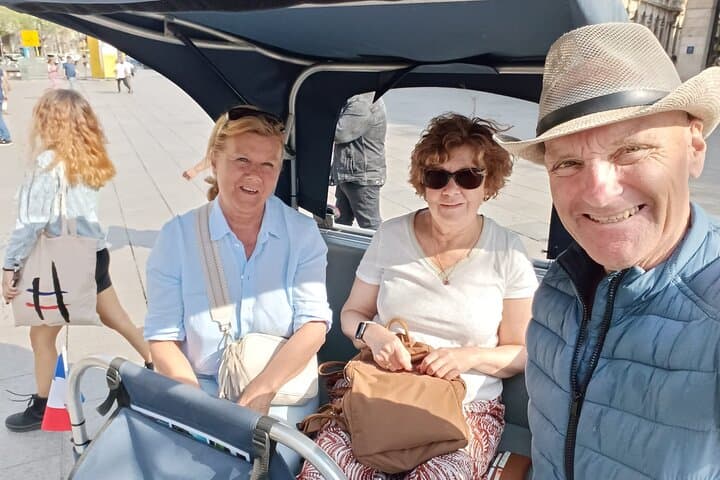
A small group steps off Passeig del Born and into streets that have been arguing with the sea for centuries—stone alleys that curve like questions, shopfronts that quietly point to a vanished port. The guide speaks French; the voices of the city reply in Catalan and Spanish as you move from medieval squares to the glass-fronted modernity of the Olympic Port.
A small group steps off Passeig del Born and into streets that have been arguing with the sea for centuries—stone alleys that curve like questions, shopfronts that quietly point to a vanished port. The guide speaks French; the voices of the city reply in Catalan and Spanish as you move from medieval squares to the glass-fronted modernity of the Olympic Port.
Barcelona's core is a patchwork of eras: Roman gridlines beneath the Gothic Quarter, Catalan modernisme visible in nearby concert halls, and the 19th-century arc of the Ciutadella and the Arc de Triomf. Geologically the city sits where the coastal plain meets the Collserola ridge, so walks shift from flat market streets to slight rises and viewpoints where the Mediterranean glints.
Culturally the Born and Gothic districts are living neighborhoods—markets, churches like Santa Maria del Mar, and tucked-away monastic ruins that tell stories of trade, craft and civic life. The tour finishes at a traditional pintxos bar where three skewered bites and a drink are served in convivial silence and explanation.
Practical guidance: expect two hours on mostly paved surfaces with several short stops; wear comfortable shoes for narrow cobbles and bring a small bag for purchases. Midday tours catch market bustle, evenings bring bar energy but larger crowds—book ahead for small-group slots limited to eight.
Accessibility: routes are stroller and wheelchair friendly for main stretches but ask the operator about specific doorways and restaurants. For food preferences, notify the guide in advance to adapt tastings.