THE ADVENTURE COLLECTIVE® · Independent discovery and booking for outdoor travel

Walk the French Quarter with a local guide, an EMF meter and stories that mix colonial history with ghost, vampire and voodoo lore. This 1–2 hour tour covers St. Louis Cathedral, Jackson Square and lesser-known alleys while navigating uneven cobbles and lively streets.
Walk the French Quarter with a local guide, an EMF meter and stories that mix colonial history with ghost, vampire and voodoo lore. This 1–2 hour tour covers St. Louis Cathedral, Jackson Square and lesser-known alleys while navigating uneven cobbles and lively streets.
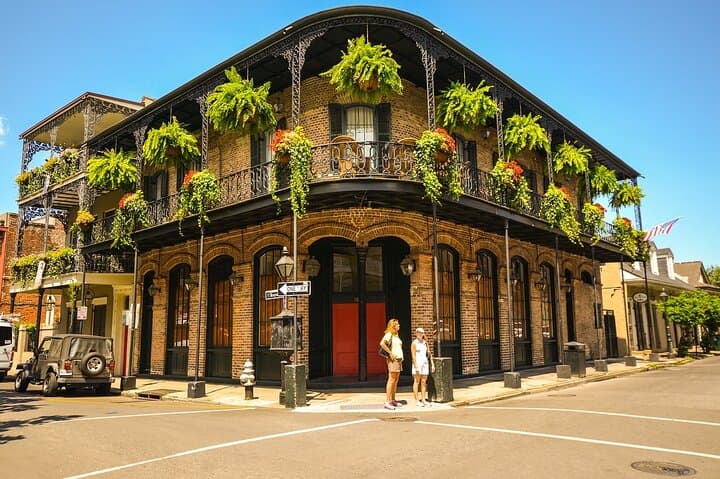
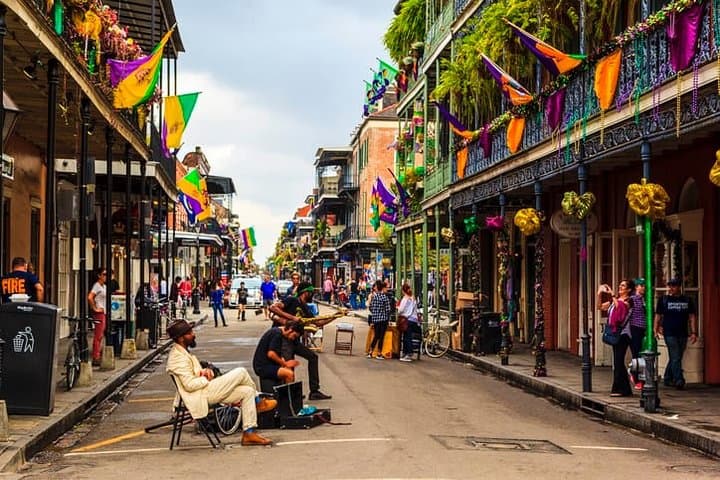
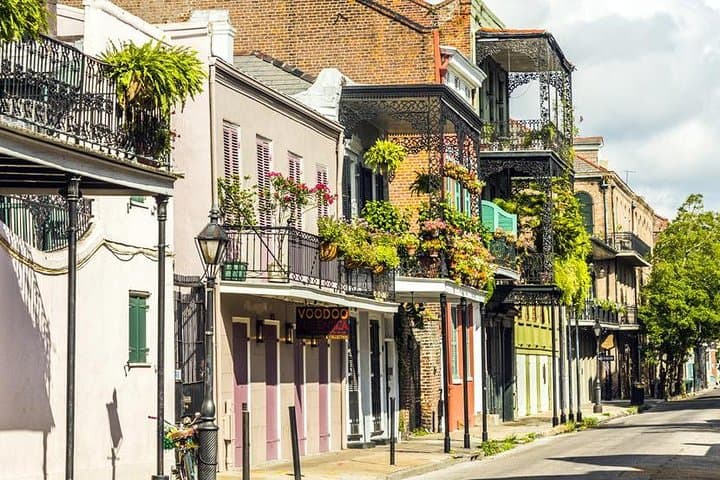
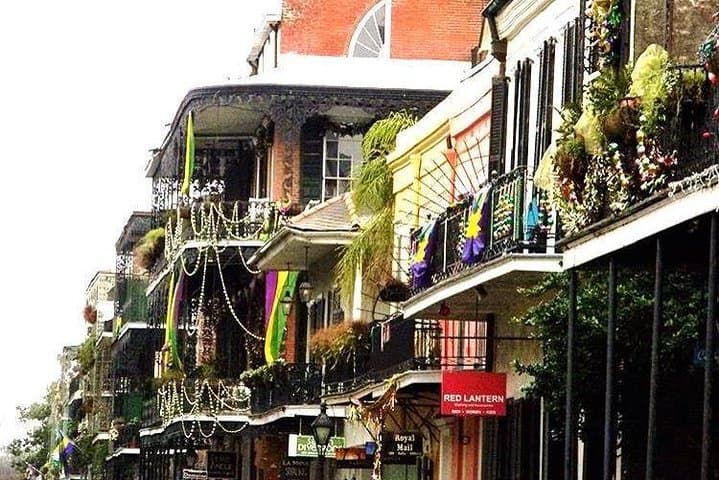
The gate of Lafitte’s Blacksmith Shop opens onto Bourbon Street and the city exhales: the chatter of passersby, a brass trumpet sliding under a balcony, and the cobbles that remember a hundred years of footsteps. Your guide arrives with an EMF meter and a quick smile, and the French Quarter begins to reveal itself — façades leaning like old friends, ironwork that keeps secrets, and alleys where shadows seem to answer back.
Verified experiences and guided adventures in the surrounding area.
Operated by New Orleans Drunk History Tours • Show Me New Orleans Tours · New Orleans, Louisiana
The gate of Lafitte’s Blacksmith Shop opens onto Bourbon Street and the city exhales: the chatter of passersby, a brass trumpet sliding under a balcony, and the cobbles that remember a hundred years of footsteps. Your guide arrives with an EMF meter and a quick smile, and the French Quarter begins to reveal itself — façades leaning like old friends, ironwork that keeps secrets, and alleys where shadows seem to answer back.
This stretch of the Vieux Carré carries French and Spanish colonial layers, rebuilt after fires and hurricanes, sitting on the Mississippi River’s edge where the delta’s soft soils required raised town squares and brick craftsmanship. St. Louis Cathedral, the Cabildo and the Presbytère mark religious and civic power from the 18th and 19th centuries; the Ursuline Convent predates much of the nation. Local culture here mixes Creole, African, Caribbean and American threads — voodoo legends, jazz’s first strains, and a food scene that still tastes like history.
Expect 1–2 hours of moderate-paced walking on uneven, sometimes dilapidated sidewalks; the route includes Jackson Square, Pirate’s Alley and hidden courtyards like St. Anthony’s Garden. Guides narrate history, ghost and vampire lore, and point out architectural details that explain the Quarter’s resilience.
Practical: meet on the sidewalk at the Lafitte’s courtyard gate (941 Bourbon St). Wear sturdy shoes, carry water, and bring small bills for tips. Tours operate rain-or-shine; late arrivals cannot join. Video recording is not permitted but photos are encouraged — listen for safety notes about busy streets and private property as you move through one of America’s oldest, most contested urban neighborhoods.
easy.
1–2 hours.
Suitable for most fitness levels; requires standing and walking up to 1–2 miles on uneven surfaces.
Meet on the sidewalk at the gate of the courtyard attached to Lafitte’s Blacksmith Shop Bar, 941 Bourbon Street; guides start promptly at the scheduled time.
No — drinks are not included; the tour may stop at bars where drinks are available to purchase but they are not part of the ticket price.
Video and audio recording are prohibited, though still photos are allowed; the policy preserves the narration and guest experience.
All sales are final per the operator; tours are rain-or-shine but may be canceled for severe weather or insufficient numbers — in which case you’ll be notified and offered a refund or alternate date.
The Vieux Carré combines French and Spanish colonial planning with 18th–19th century rebuilding after fires; many buildings like Lafitte’s date to that layered urban history.
High foot traffic stresses fragile historic streets and buildings — stay on public paths, respect private property, and support local preservation-minded businesses.
New Orleans Drunk History Tours • Show Me New Orleans Tours operates guided outdoor trips and adventures with an emphasis on safety, stewardship, and memorable experiences.
The gate of Lafitte’s Blacksmith Shop opens onto Bourbon Street and the city exhales: the chatter of passersby, a brass trumpet sliding under a balcony, and the cobbles that remember a hundred years of footsteps. Your guide arrives with an EMF meter and a quick smile, and the French Quarter begins to reveal itself — façades leaning like old friends, ironwork that keeps secrets, and alleys where shadows seem to answer back.
The gate of Lafitte’s Blacksmith Shop opens onto Bourbon Street and the city exhales: the chatter of passersby, a brass trumpet sliding under a balcony, and the cobbles that remember a hundred years of footsteps. Your guide arrives with an EMF meter and a quick smile, and the French Quarter begins to reveal itself — façades leaning like old friends, ironwork that keeps secrets, and alleys where shadows seem to answer back.
This stretch of the Vieux Carré carries French and Spanish colonial layers, rebuilt after fires and hurricanes, sitting on the Mississippi River’s edge where the delta’s soft soils required raised town squares and brick craftsmanship. St. Louis Cathedral, the Cabildo and the Presbytère mark religious and civic power from the 18th and 19th centuries; the Ursuline Convent predates much of the nation. Local culture here mixes Creole, African, Caribbean and American threads — voodoo legends, jazz’s first strains, and a food scene that still tastes like history.
Expect 1–2 hours of moderate-paced walking on uneven, sometimes dilapidated sidewalks; the route includes Jackson Square, Pirate’s Alley and hidden courtyards like St. Anthony’s Garden. Guides narrate history, ghost and vampire lore, and point out architectural details that explain the Quarter’s resilience.
Practical: meet on the sidewalk at the Lafitte’s courtyard gate (941 Bourbon St). Wear sturdy shoes, carry water, and bring small bills for tips. Tours operate rain-or-shine; late arrivals cannot join. Video recording is not permitted but photos are encouraged — listen for safety notes about busy streets and private property as you move through one of America’s oldest, most contested urban neighborhoods.