THE ADVENTURE COLLECTIVE® · Independent discovery and booking for outdoor travel

Walk Jackson Square into a living classroom: a licensed guide leads a two-hour exploration of the French Quarter’s architecture, folklore and daily life, plus admission to the 1850 House Museum. Expect easy walking, historic courtyards and practical local tips for making the most of the neighborhood.
Walk Jackson Square into a living classroom: a licensed guide leads a two-hour exploration of the French Quarter’s architecture, folklore and daily life, plus admission to the 1850 House Museum. Expect easy walking, historic courtyards and practical local tips for making the most of the neighborhood.
The guide arrives with a map folded like a prop from another century and the square in front of them hums with street musicians and morning light. Walkers step off from the tail of Andrew Jackson’s horse in Jackson Square and move through a grid of ironwork galleries, limestone courtyards and laneways where the city’s past presses up close.
Verified experiences and guided adventures in the surrounding area.
Operated by Friends of the Cabildo · New Orleans, Louisiana
The guide arrives with a map folded like a prop from another century and the square in front of them hums with street musicians and morning light. Walkers step off from the tail of Andrew Jackson’s horse in Jackson Square and move through a grid of ironwork galleries, limestone courtyards and laneways where the city’s past presses up close.
This two-hour licensed walking tour traces the French Quarter’s layered history — from its founding as a French colonial port in 1718 through Spanish reconstruction after fires and into the 19th-century Creole apartment life captured by the 1850 House Museum. The ground underfoot is primarily brick, packed-earth and short cobbles; geology here is river-sediment plain, reclaimed and raised over centuries to resist the Mississippi’s moods.
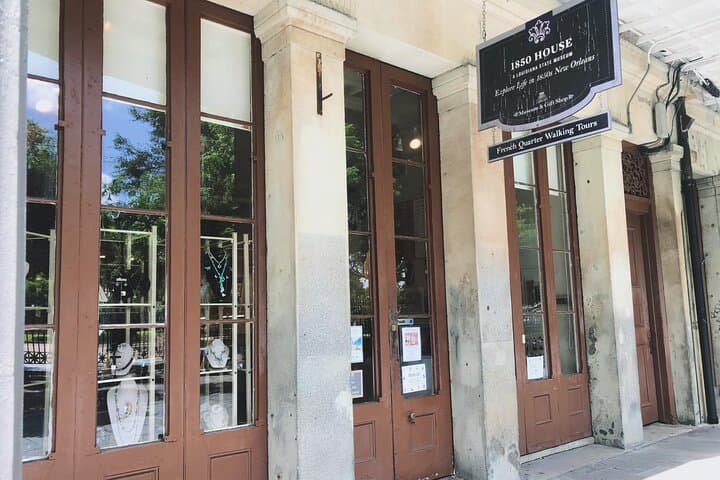
Cultural notes arrive with the anecdotes: parade routes that still change the city’s rhythm, Creole townhouse etiquette, and lore of voodoo and early jazz echoing from bars and courtyards. The included 1850 House admission offers a look at domestic interiors and period furnishings in a Pontalba apartment above the tour’s meeting point.
Practical guidance is simple: expect flat, easy walking on roughly 1–2 miles of historic streets; bring closed-toe shoes and water, and plan for sudden rain since tours run rain or shine. Restroom access is provided for guests, and public transit and streetcar stops are nearby. Tours are accessible and suitable for most fitness levels; children must be accompanied. For visitors who want context with minimal fuss, this guided walk pairs concentrated history with a tangible feel for how New Orleans grew around its river.
easy.
2 hours.
Suitable for most fitness levels; requires standing and walking on city streets for up to two hours
Yes — the tour ticket includes admission to the 1850 House Museum located above the meeting store.
Yes — the operator lists wheelchair accessibility; contact the provider in advance to confirm specific needs.
Tours proceed rain or shine; guests should bring rain gear. The cancellation policy allows full refund if canceled at least 24 hours prior.
The tour lasts about two hours and covers roughly 1–2 miles at a relaxed pace with frequent stops for commentary and museum admission.
The French Quarter is the oldest neighborhood in New Orleans, shaped by French and Spanish rule; the 1850 House preserves a typical Creole Pontalba apartment of the mid-19th century.
Support locally run organizations like Friends of the Cabildo that maintain historic properties; stick to walkways and avoid touching ironwork or fragile architectural features.
Friends of the Cabildo operates guided outdoor trips and adventures with an emphasis on safety, stewardship, and memorable experiences.
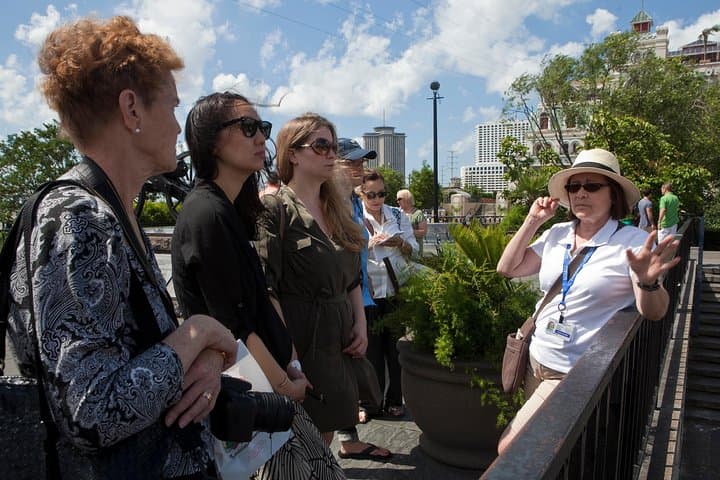
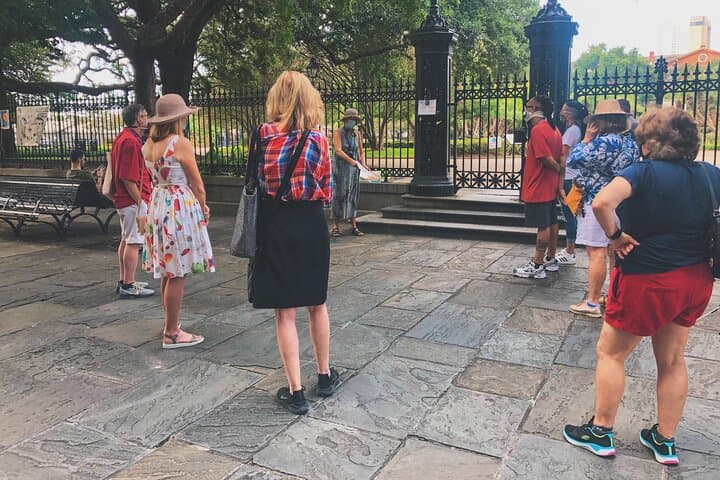
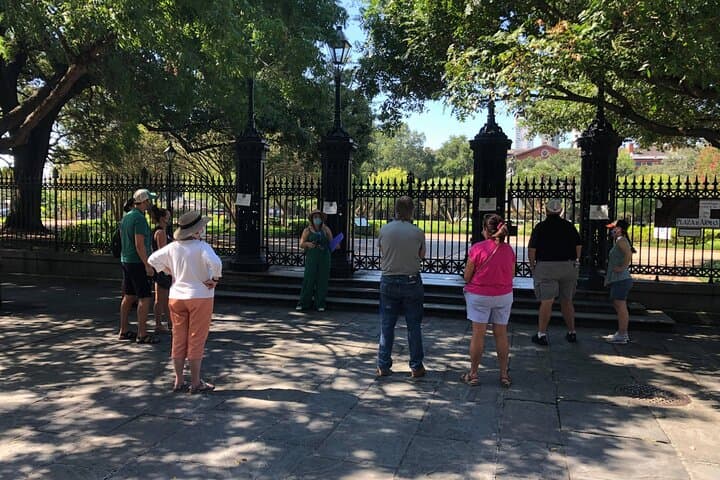
The guide arrives with a map folded like a prop from another century and the square in front of them hums with street musicians and morning light. Walkers step off from the tail of Andrew Jackson’s horse in Jackson Square and move through a grid of ironwork galleries, limestone courtyards and laneways where the city’s past presses up close.
The guide arrives with a map folded like a prop from another century and the square in front of them hums with street musicians and morning light. Walkers step off from the tail of Andrew Jackson’s horse in Jackson Square and move through a grid of ironwork galleries, limestone courtyards and laneways where the city’s past presses up close.
This two-hour licensed walking tour traces the French Quarter’s layered history — from its founding as a French colonial port in 1718 through Spanish reconstruction after fires and into the 19th-century Creole apartment life captured by the 1850 House Museum. The ground underfoot is primarily brick, packed-earth and short cobbles; geology here is river-sediment plain, reclaimed and raised over centuries to resist the Mississippi’s moods.
Cultural notes arrive with the anecdotes: parade routes that still change the city’s rhythm, Creole townhouse etiquette, and lore of voodoo and early jazz echoing from bars and courtyards. The included 1850 House admission offers a look at domestic interiors and period furnishings in a Pontalba apartment above the tour’s meeting point.
Practical guidance is simple: expect flat, easy walking on roughly 1–2 miles of historic streets; bring closed-toe shoes and water, and plan for sudden rain since tours run rain or shine. Restroom access is provided for guests, and public transit and streetcar stops are nearby. Tours are accessible and suitable for most fitness levels; children must be accompanied. For visitors who want context with minimal fuss, this guided walk pairs concentrated history with a tangible feel for how New Orleans grew around its river.