THE ADVENTURE COLLECTIVE® · Independent discovery and booking for outdoor travel

Step into an after-hours, hands-on paranormal investigation in the French Quarter. Work with pro equipment, visit exclusive haunted rooms, and learn historic Voodoo context while collecting real evidence.
Step into an after-hours, hands-on paranormal investigation in the French Quarter. Work with pro equipment, visit exclusive haunted rooms, and learn historic Voodoo context while collecting real evidence.
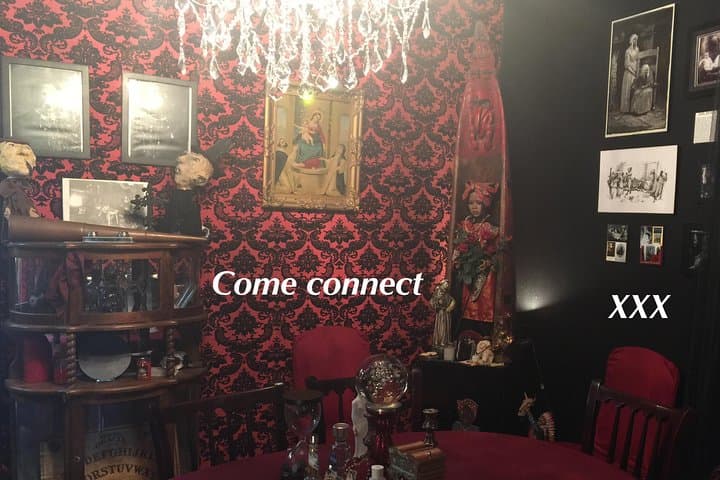
The streetlamps along St. Ann throw long, yellow knives across cracked brick; your small group gathers at a gate as the city exhales and the shadows lean in. The guide opens the doors to two private, after-hours buildings and the air shifts—old wood and candle wax, the hush of rooms that have kept their own stories. You move room to room, instruments humming, eyes and intuition tuned to whatever answers the night offers.
Verified experiences and guided adventures in the surrounding area.
Operated by Bloody Mary's Tours · New Orleans, Louisiana
The streetlamps along St. Ann throw long, yellow knives across cracked brick; your small group gathers at a gate as the city exhales and the shadows lean in. The guide opens the doors to two private, after-hours buildings and the air shifts—old wood and candle wax, the hush of rooms that have kept their own stories. You move room to room, instruments humming, eyes and intuition tuned to whatever answers the night offers.
New Orleans' French Quarter is a living archive: 18th- and 19th-century architecture, surviving colonial street patterns, and sites like Congo Square where enslaved people and free Black communities kept West African rites alive. Marie Laveau’s courtyard and the surrounding backstreets carry layered cultural practices—Voodoo, Creole Catholicism, and oral histories—that inform the city's paranormal lore. The buildings you enter are often two centuries old; their creaks and drafts are as much historical record as legend.
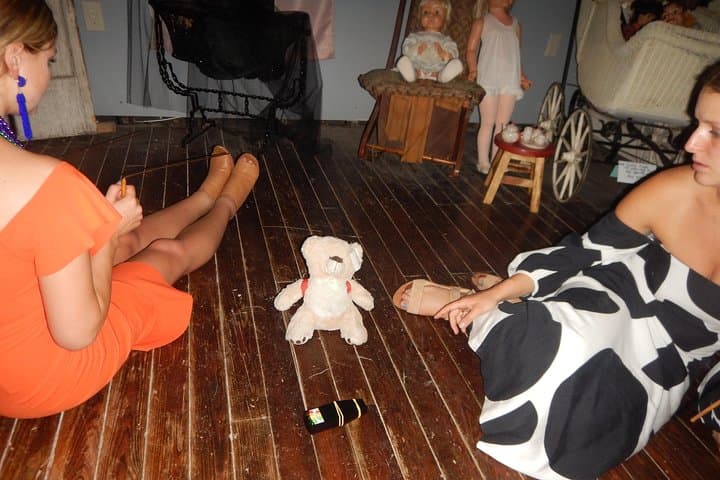
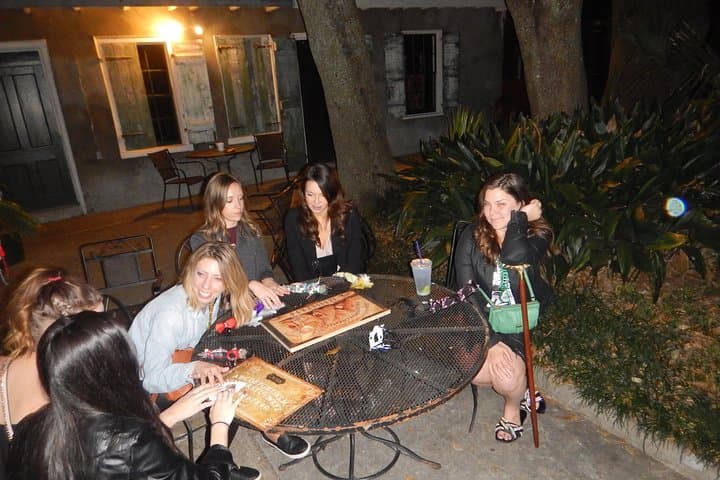
Expect a hands-on investigation rather than a theatrical walk. You’ll learn basic EVP technique, handle professional paranormal tools, and practice respectful protocols for communicating. The experience moves at a deliberate pace: quiet listening, small-group collaboration, then debrief and story time.
Practical guidance: wear comfortable footwear for uneven floors, bring a fully charged phone and spare battery, and keep voices low to reduce electromagnetic and audio interference. The event runs roughly 2.5 hours and is suitable for most fitness levels, but it’s an evening tour—plan transport and check weather. Be respectful of altars and private shrines; this is fieldwork in a living cultural landscape.
easy.
2–3 hours.
Suitable for most fitness levels; involves standing, walking short distances, and climbing stairs in older buildings.
The tour is generally suitable for teens and adults; check the operator’s age policy before booking as content and hours are geared toward mature participants.
Some meeting points and museum areas note wheelchair accessibility, but historic buildings may have stairs—contact the operator in advance to confirm access arrangements.
Photography is typically allowed but keep flash off and follow guide directions; sensitive investigative moments may require silence and minimal equipment use.
This specific experience lists all sales final—no refunds—so confirm timing and participant availability before booking.
The French Quarter preserves street patterns and buildings from the 18th and 19th centuries; Congo Square was a key gathering place where African cultural practices persisted despite colonial constraints.
These sites are fragile—avoid touching historic fabrics and woodwork, dispose of trash properly, and respect cultural altars and memorials to minimize impact.
Bloody Mary's Tours operates guided outdoor trips and adventures with an emphasis on safety, stewardship, and memorable experiences.
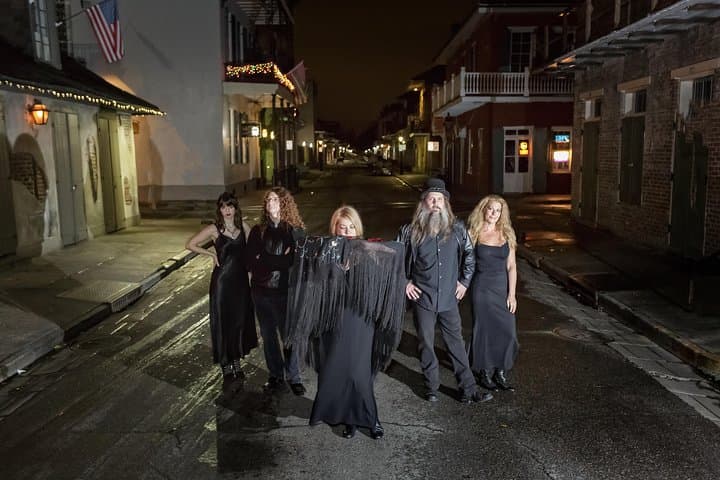
The streetlamps along St. Ann throw long, yellow knives across cracked brick; your small group gathers at a gate as the city exhales and the shadows lean in. The guide opens the doors to two private, after-hours buildings and the air shifts—old wood and candle wax, the hush of rooms that have kept their own stories. You move room to room, instruments humming, eyes and intuition tuned to whatever answers the night offers.
The streetlamps along St. Ann throw long, yellow knives across cracked brick; your small group gathers at a gate as the city exhales and the shadows lean in. The guide opens the doors to two private, after-hours buildings and the air shifts—old wood and candle wax, the hush of rooms that have kept their own stories. You move room to room, instruments humming, eyes and intuition tuned to whatever answers the night offers.
New Orleans' French Quarter is a living archive: 18th- and 19th-century architecture, surviving colonial street patterns, and sites like Congo Square where enslaved people and free Black communities kept West African rites alive. Marie Laveau’s courtyard and the surrounding backstreets carry layered cultural practices—Voodoo, Creole Catholicism, and oral histories—that inform the city's paranormal lore. The buildings you enter are often two centuries old; their creaks and drafts are as much historical record as legend.
Expect a hands-on investigation rather than a theatrical walk. You’ll learn basic EVP technique, handle professional paranormal tools, and practice respectful protocols for communicating. The experience moves at a deliberate pace: quiet listening, small-group collaboration, then debrief and story time.
Practical guidance: wear comfortable footwear for uneven floors, bring a fully charged phone and spare battery, and keep voices low to reduce electromagnetic and audio interference. The event runs roughly 2.5 hours and is suitable for most fitness levels, but it’s an evening tour—plan transport and check weather. Be respectful of altars and private shrines; this is fieldwork in a living cultural landscape.