THE ADVENTURE COLLECTIVE® · Independent discovery and booking for outdoor travel

Walk 14 blocks through the French Quarter while sampling five classic New Orleans bites—from beignet to gumbo—guided by local storytellers who link each flavor to the city’s multicultural history. Expect 2–3 hours of flat, accessible walking and culinary insight.
Walk 14 blocks through the French Quarter while sampling five classic New Orleans bites—from beignet to gumbo—guided by local storytellers who link each flavor to the city’s multicultural history. Expect 2–3 hours of flat, accessible walking and culinary insight.
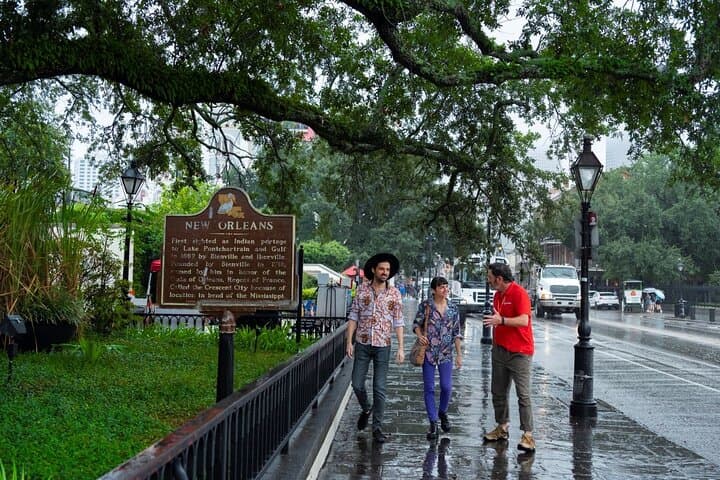
You step into Jackson Square and the city speaks in flavors—powdered sugar on warm beignets, the slow, savory breath of gumbo, and the hot citrusy slap of local hot sauce. The French Quarter Food Walk unspools through 14 blocks of cracked brick, ironwork balconies, and streets that remember ships and markets; it’s a walking lesson in how place and palate make each other.
Verified experiences and guided adventures in the surrounding area.
Operated by Intrepid Urban Adventures - USA · New Orleans, Louisiana
You step into Jackson Square and the city speaks in flavors—powdered sugar on warm beignets, the slow, savory breath of gumbo, and the hot citrusy slap of local hot sauce. The French Quarter Food Walk unspools through 14 blocks of cracked brick, ironwork balconies, and streets that remember ships and markets; it’s a walking lesson in how place and palate make each other.
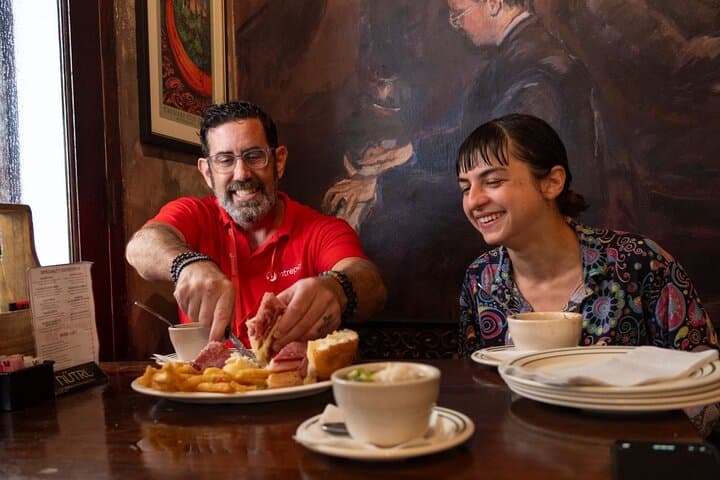
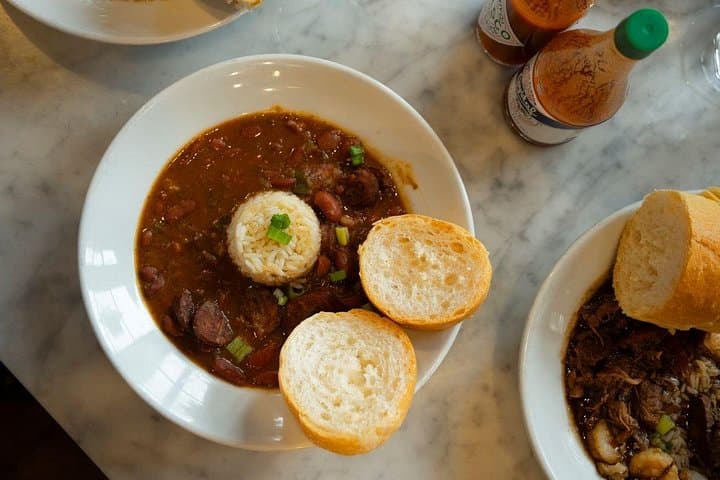
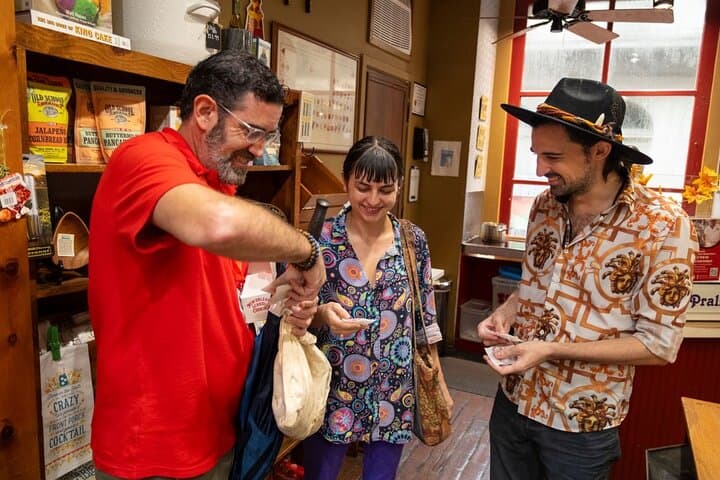
Guides lead small groups past St. Louis Cathedral and the Presbytère, narrating how French, Spanish, African and Caribbean influences braided together to create Creole food and culture. The tour pauses at the French Market—America’s oldest public market—where vendors once traded furs and rice and now sell pralines and fresh spices. You’ll taste five samples that together equal a full meal: a warm beignet to start, a cup of gumbo that layers the flavors of roux and okra, a muffuletta or po’boy showcasing Italian deli-meets-Crescent City tradition, and a Cajun seafood bite bright with cayenne and lemon.
The culinary geology here is urban: riverine trade along the Mississippi brought salt, sugar, and people, and those currents formed the menu. Restaurants became cultural crossroads; recipes adapted to what was available and to enslaved and immigrant cooks reworking old techniques into something new. The food walk is as much history as it is lunch—your guide points out buildings, tells the story of Creole naming and migration, and explains why the city’s hot sauce tastes like West Africa in a bottle.
Practicalities are direct. Expect about 1.5 miles of mostly flat, paved walking over 2–3 hours; wear comfortable shoes and bring a light daypack. Portions are sample-sized but equivalent to a full meal overall; if you have strict dietary needs, notify the operator at least 24 hours in advance. The tour is wheelchair accessible and suited to most fitness levels, but summer humidity can make even a short walk feel long—hydrate and plan for air-conditioned stops.
Local insights: ask your guide about hot sauce makers and the best late-night po’boy shops; they often steer small groups to lesser-known stalls in the French Market. Tipping is customary for guides who interpret history and arrange tastings—consider 15–20% if the experience felt personalized. The experience is celebratory, rooted in hard histories; tasting is a way to understand New Orleans’ layered cultural story.
Whether you’re here to cross culinary icons off a list or to let a local storyteller lead you through city streets, the French Quarter Food Walk delivers both flavor and context—one bite, and one story, at a time.
easy.
2–3 hours.
Suitable for most fitness levels; involves 1.5 miles of easy urban walking with frequent stops
The tour runs about 2–3 hours and covers roughly 14 blocks (about 1.5 miles) on mostly flat, paved streets.
You’ll sample five items—examples include beignet, gumbo, po’boy or muffuletta and a Cajun bite—overall equal to a full meal, though exact stops may vary by day.
Some stops may be limited; inform the operator at least 24 hours in advance so guides can plan alternatives or recommend nearby options.
Yes—routes and many stops are wheelchair accessible, but please advise when booking so the guide can prepare accordingly.
Meet at Jackson Square next to the Andrew Jackson statue (700 Decatur St). Gratuity for the guide is not included; 15–20% is customary if service was good.
Children under 6 can join free if you inform the operator; kids 6–11 pay the adult rate—include child details when booking so portions and stops can be planned.
The French Quarter grew from French and Spanish colonial trade and became a cultural crossroads where enslaved Africans, Caribbean migrants, and European settlers shaped Creole cuisine and customs.
The French Quarter faces pressures from tourism and flooding; support local vendors, avoid single-use plastics when possible, and follow Leave No Trace principles even in urban settings.
Intrepid Urban Adventures - USA operates guided outdoor trips and adventures with an emphasis on safety, stewardship, and memorable experiences.
You step into Jackson Square and the city speaks in flavors—powdered sugar on warm beignets, the slow, savory breath of gumbo, and the hot citrusy slap of local hot sauce. The French Quarter Food Walk unspools through 14 blocks of cracked brick, ironwork balconies, and streets that remember ships and markets; it’s a walking lesson in how place and palate make each other.
You step into Jackson Square and the city speaks in flavors—powdered sugar on warm beignets, the slow, savory breath of gumbo, and the hot citrusy slap of local hot sauce. The French Quarter Food Walk unspools through 14 blocks of cracked brick, ironwork balconies, and streets that remember ships and markets; it’s a walking lesson in how place and palate make each other.
Guides lead small groups past St. Louis Cathedral and the Presbytère, narrating how French, Spanish, African and Caribbean influences braided together to create Creole food and culture. The tour pauses at the French Market—America’s oldest public market—where vendors once traded furs and rice and now sell pralines and fresh spices. You’ll taste five samples that together equal a full meal: a warm beignet to start, a cup of gumbo that layers the flavors of roux and okra, a muffuletta or po’boy showcasing Italian deli-meets-Crescent City tradition, and a Cajun seafood bite bright with cayenne and lemon.
The culinary geology here is urban: riverine trade along the Mississippi brought salt, sugar, and people, and those currents formed the menu. Restaurants became cultural crossroads; recipes adapted to what was available and to enslaved and immigrant cooks reworking old techniques into something new. The food walk is as much history as it is lunch—your guide points out buildings, tells the story of Creole naming and migration, and explains why the city’s hot sauce tastes like West Africa in a bottle.
Practicalities are direct. Expect about 1.5 miles of mostly flat, paved walking over 2–3 hours; wear comfortable shoes and bring a light daypack. Portions are sample-sized but equivalent to a full meal overall; if you have strict dietary needs, notify the operator at least 24 hours in advance. The tour is wheelchair accessible and suited to most fitness levels, but summer humidity can make even a short walk feel long—hydrate and plan for air-conditioned stops.
Local insights: ask your guide about hot sauce makers and the best late-night po’boy shops; they often steer small groups to lesser-known stalls in the French Market. Tipping is customary for guides who interpret history and arrange tastings—consider 15–20% if the experience felt personalized. The experience is celebratory, rooted in hard histories; tasting is a way to understand New Orleans’ layered cultural story.
Whether you’re here to cross culinary icons off a list or to let a local storyteller lead you through city streets, the French Quarter Food Walk delivers both flavor and context—one bite, and one story, at a time.