THE ADVENTURE COLLECTIVE® · Independent discovery and booking for outdoor travel

Walk two hours through the French Quarter with a local guide and discover how French, Spanish and American eras shaped New Orleans' streets, balconies and courtyards. This small-group tour focuses on architectural detail, social history and the practical reasons buildings look the way they do.
Walk two hours through the French Quarter with a local guide and discover how French, Spanish and American eras shaped New Orleans' streets, balconies and courtyards. This small-group tour focuses on architectural detail, social history and the practical reasons buildings look the way they do.
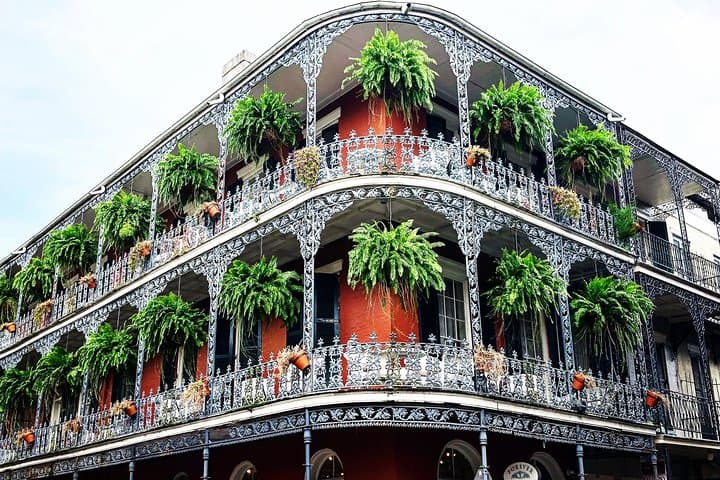
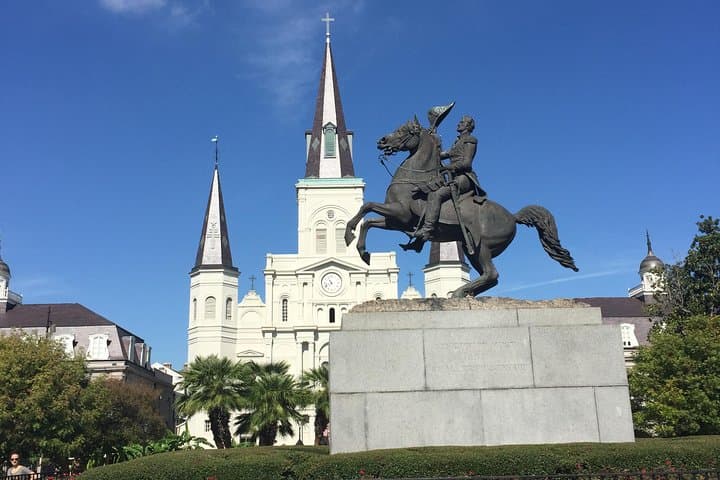
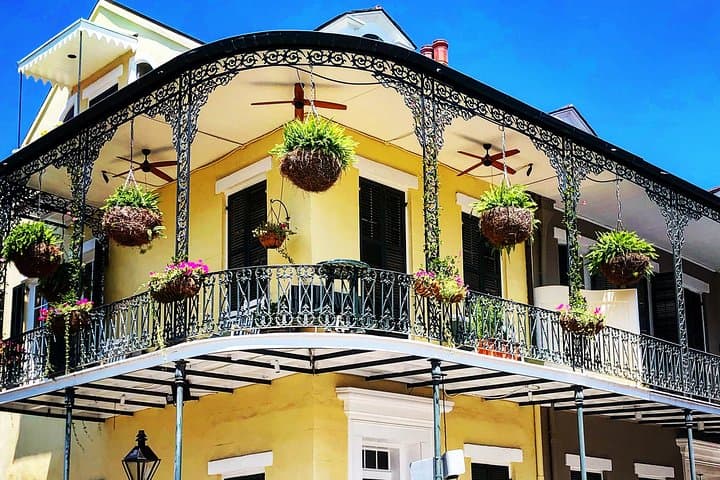
The guide raises a small sign just off Jackson Square and the city seems to rearrange itself around that moment: wrought-iron lace casts filigree shadows on sun-warmed brick, bell towers lean into the river breeze, and a streetcar bell sounds faintly down Decatur. Walkers fall into a comfortable cadence as the guide begins—two hours tracing the arc of a neighborhood that grew where the Mississippi pushed up mud and people built on it, year after layered year.
Verified experiences and guided adventures in the surrounding area.
Operated by NOLA Tours · New Orleans, Louisiana
The guide raises a small sign just off Jackson Square and the city seems to rearrange itself around that moment: wrought-iron lace casts filigree shadows on sun-warmed brick, bell towers lean into the river breeze, and a streetcar bell sounds faintly down Decatur. Walkers fall into a comfortable cadence as the guide begins—two hours tracing the arc of a neighborhood that grew where the Mississippi pushed up mud and people built on it, year after layered year.
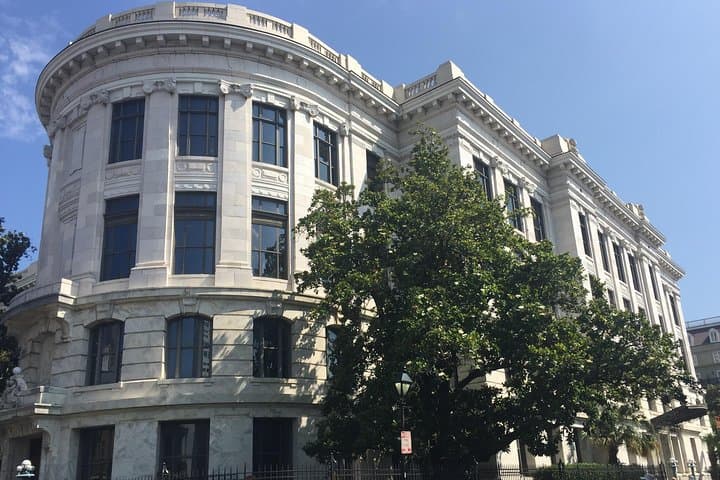
This is a tour about buildings that lived through empire shifts, fires, floods and reinvention. The French Quarter, or Vieux Carré, shows its history in materials and angles: French and Spanish rules shaped lot lines and courtyards; Creole Colonial houses like the Ursuline Convent reveal heavy timber and arcaded galleries; Spanish-era buildings repaired after the fires brought stucco, iron balconies and taller parapets. Move forward and 19th- and 20th-century civic architecture—law courts, museums and municipal buildings—speak to an American city remaking its face.
Geology and infrastructure matter here. The Quarter sits on higher natural levees, a reason the earliest settlement clustered here, but the city’s soft soils and sinking ground make preservation both urgent and complicated. That tension is visible in raised foundations, patched masonry, and the ongoing work to keep historic wood, brick and iron standing against humidity and hurricanes.
Culturally, the neighborhood is both museum and living neighborhood: street vendors, brass bands, and small corner bars share space with churches and galleries. Guides highlight how family names, trade networks and colonial governance left physical marks—a building frontage can be a record of occupation and aspiration.
Practically, this is an easy, low-impact walk suitable for most travelers. Expect two hours on paved streets with frequent stops; groups are capped at 14 for conversation and visibility. The tour centers on Jackson Square, passes the Cathedral, the Cabildo, Chartres and Royal streets, and finishes with a look at private courtyards and public facades that reveal construction techniques and social history.
Bring comfortable shoes, sun protection and a light rain layer in summer. Photography is constant: look up at cornices and down at ironwork bases. Be prepared for crowds on weekends and festivals; small-group tours offer a quieter reading of details that larger, louder groups miss. In a place where architecture keeps its own calendar, two hours here gives you a sharper eye for how New Orleans built itself—and why those buildings still matter.
easy.
2 hours.
Light walking ability required—mostly flat, paved streets with frequent stops; accessible for most fitness levels.
The tour lasts approximately two hours and covers the core French Quarter around Jackson Square, Chartres and Royal streets.
Yes—routes use paved streets and sidewalks, but let the operator know about specific accessibility needs when booking.
This tour is delivered in English; check the operator's booking page for other language options or private tour requests.
Yes—children are welcome; the tour notes a minimum age of 1 year and is family-friendly.
A licensed local guide and small-group commentary are included; admissions to museums are not part of the standard tour.
Tours operate in light rain—if severe weather forces cancellation you will be offered an alternative date or a full refund.
The French Quarter preserves layers of French, Spanish and American urban planning; many current facades reflect Spanish-era rebuilding after 1788 and 1794 fires.
Preservation groups focus on maintaining original materials while adapting to flood risk; visitors are encouraged to respect private property and minimize wear on historic steps and thresholds.
NOLA Tours operates guided outdoor trips and adventures with an emphasis on safety, stewardship, and memorable experiences.
The guide raises a small sign just off Jackson Square and the city seems to rearrange itself around that moment: wrought-iron lace casts filigree shadows on sun-warmed brick, bell towers lean into the river breeze, and a streetcar bell sounds faintly down Decatur. Walkers fall into a comfortable cadence as the guide begins—two hours tracing the arc of a neighborhood that grew where the Mississippi pushed up mud and people built on it, year after layered year.
The guide raises a small sign just off Jackson Square and the city seems to rearrange itself around that moment: wrought-iron lace casts filigree shadows on sun-warmed brick, bell towers lean into the river breeze, and a streetcar bell sounds faintly down Decatur. Walkers fall into a comfortable cadence as the guide begins—two hours tracing the arc of a neighborhood that grew where the Mississippi pushed up mud and people built on it, year after layered year.
This is a tour about buildings that lived through empire shifts, fires, floods and reinvention. The French Quarter, or Vieux Carré, shows its history in materials and angles: French and Spanish rules shaped lot lines and courtyards; Creole Colonial houses like the Ursuline Convent reveal heavy timber and arcaded galleries; Spanish-era buildings repaired after the fires brought stucco, iron balconies and taller parapets. Move forward and 19th- and 20th-century civic architecture—law courts, museums and municipal buildings—speak to an American city remaking its face.
Geology and infrastructure matter here. The Quarter sits on higher natural levees, a reason the earliest settlement clustered here, but the city’s soft soils and sinking ground make preservation both urgent and complicated. That tension is visible in raised foundations, patched masonry, and the ongoing work to keep historic wood, brick and iron standing against humidity and hurricanes.
Culturally, the neighborhood is both museum and living neighborhood: street vendors, brass bands, and small corner bars share space with churches and galleries. Guides highlight how family names, trade networks and colonial governance left physical marks—a building frontage can be a record of occupation and aspiration.
Practically, this is an easy, low-impact walk suitable for most travelers. Expect two hours on paved streets with frequent stops; groups are capped at 14 for conversation and visibility. The tour centers on Jackson Square, passes the Cathedral, the Cabildo, Chartres and Royal streets, and finishes with a look at private courtyards and public facades that reveal construction techniques and social history.
Bring comfortable shoes, sun protection and a light rain layer in summer. Photography is constant: look up at cornices and down at ironwork bases. Be prepared for crowds on weekends and festivals; small-group tours offer a quieter reading of details that larger, louder groups miss. In a place where architecture keeps its own calendar, two hours here gives you a sharper eye for how New Orleans built itself—and why those buildings still matter.