THE ADVENTURE COLLECTIVE® · Independent discovery and booking for outdoor travel

Walk under the Viva Vision canopy and through the stories that made Las Vegas: mobsters, speakeasies, neon art, and local hauntings. This two-hour guided stroll across Fremont Street mixes accessible history with practical tips for drinks, transport, and safety.
Walk under the Viva Vision canopy and through the stories that made Las Vegas: mobsters, speakeasies, neon art, and local hauntings. This two-hour guided stroll across Fremont Street mixes accessible history with practical tips for drinks, transport, and safety.
You step off the curb and the canopy of lights takes over — a river of neon that pulses above a block where Las Vegas was first built. The pavement hums with performers, slot machines in storefronts, and the scent of grilled meat and vintage coin metal; your guide steers you between classic casinos, a hidden speakeasy, and the stories that made this place loud.
Verified experiences and guided adventures in the surrounding area.
Operated by Ricky R · Las Vegas, Nevada
You step off the curb and the canopy of lights takes over — a river of neon that pulses above a block where Las Vegas was first built. The pavement hums with performers, slot machines in storefronts, and the scent of grilled meat and vintage coin metal; your guide steers you between classic casinos, a hidden speakeasy, and the stories that made this place loud.
Fremont Street is the city’s original main street, a spine laid down as Las Vegas grew in the early 20th century and exploded after gambling was legalized in 1931. Geology here is Mojave plain: flat, dusty ground giving way to the man-made skyline, but the cultural layers are thick — mob-era casinos, neon sign craftsmanship, and postwar entertainment that kept the desert’s lights burning.
This tour covers social history (organized crime’s role and the red-light districts), paranormal folklore tied to Area 51 chatter, and architectural flourishes like classic neon and Art Deco facades. Guides point out lesser-known laundromats-turned-bars, and give practical local intel: where to go after the tour and which doors are real speakeasies.
Practical guidance: wear shoes for two hours of walking on mostly flat sidewalks, carry a valid 21+ ID if you’ll drink, and pace alcohol consumption — the guide can cut the tour short for unruly behavior. Public transit and rideshare drop-offs are nearby; bring a portable charger and a small amount of cash for cover charges. Evening tours are best for neon and cooler temperatures; midday can be hot in summer. Expect an easy-paced, 2-hour mix of history, offbeat stories, and bar stops that give you Old Las Vegas with a pragmatic, curious edge.
easy.
2 hours.
Basic walking fitness; comfortable standing and short walks are sufficient.
Yes — the tour is listed as wheelchair accessible, though availability of accessible restrooms and bar entrances varies by venue.
No — drink costs are not covered; plan to pay for your own beverages and bring cash or card.
Guests should be 21+ and carry valid ID since the itinerary includes bar stops and age-restricted venues.
Full refunds are available if you cancel at least 24 hours before the scheduled departure; tours may be canceled for bad weather or low bookings.
Fremont Street is Las Vegas’ original commercial corridor; expanded by 1930s casinos and midcentury neon, it shaped the city’s entertainment identity through organized crime and show-business investment.
Light and noise from the Viva Vision canopy impact local wildlife and energy use; visitors can reduce impact by using public transit, staying on sidewalks, and disposing of waste properly.
Ricky R operates guided outdoor trips and adventures with an emphasis on safety, stewardship, and memorable experiences.
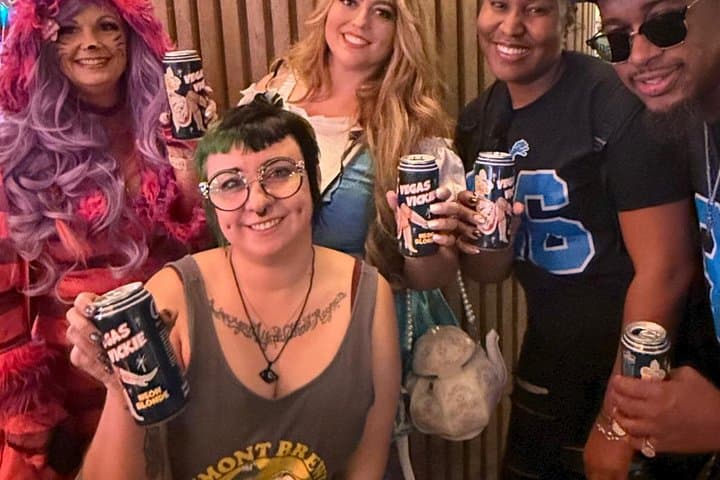
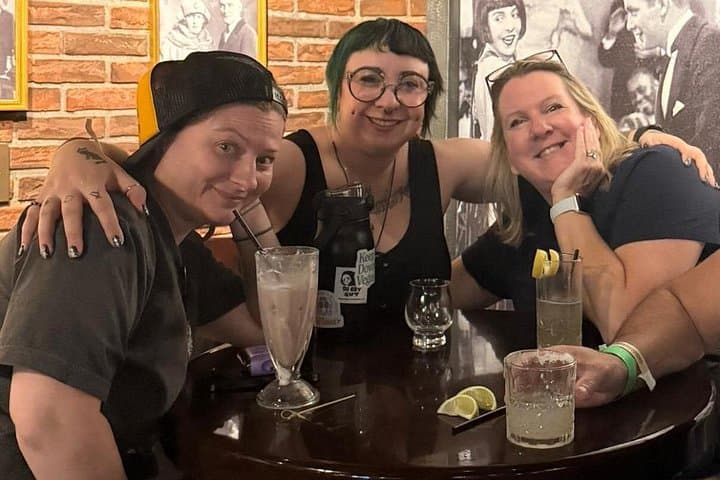
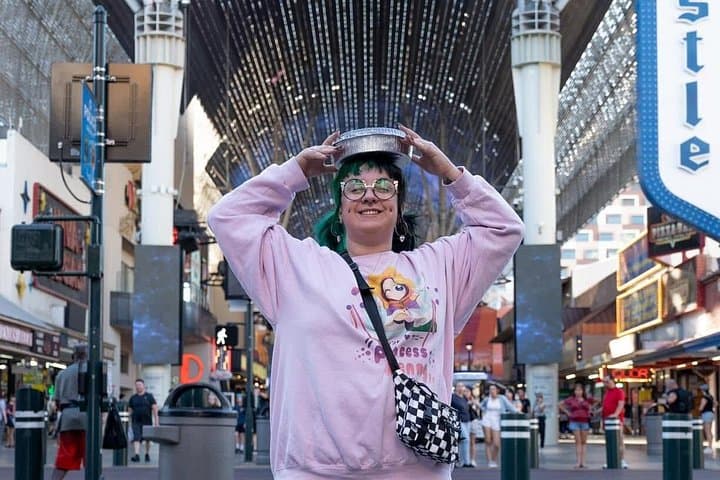
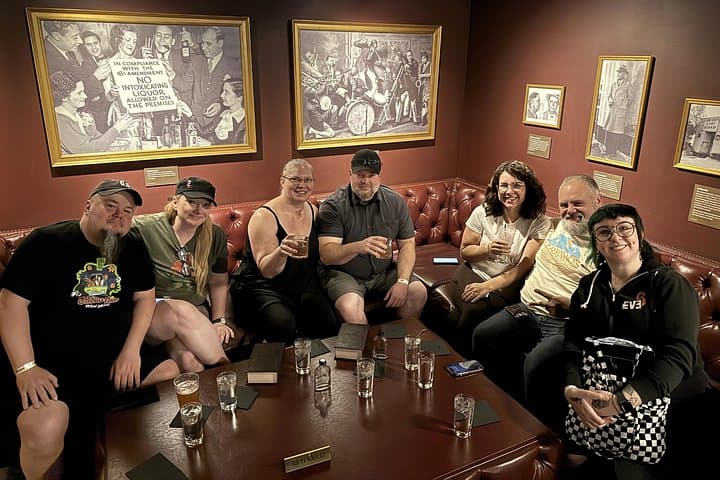
You step off the curb and the canopy of lights takes over — a river of neon that pulses above a block where Las Vegas was first built. The pavement hums with performers, slot machines in storefronts, and the scent of grilled meat and vintage coin metal; your guide steers you between classic casinos, a hidden speakeasy, and the stories that made this place loud.
You step off the curb and the canopy of lights takes over — a river of neon that pulses above a block where Las Vegas was first built. The pavement hums with performers, slot machines in storefronts, and the scent of grilled meat and vintage coin metal; your guide steers you between classic casinos, a hidden speakeasy, and the stories that made this place loud.
Fremont Street is the city’s original main street, a spine laid down as Las Vegas grew in the early 20th century and exploded after gambling was legalized in 1931. Geology here is Mojave plain: flat, dusty ground giving way to the man-made skyline, but the cultural layers are thick — mob-era casinos, neon sign craftsmanship, and postwar entertainment that kept the desert’s lights burning.
This tour covers social history (organized crime’s role and the red-light districts), paranormal folklore tied to Area 51 chatter, and architectural flourishes like classic neon and Art Deco facades. Guides point out lesser-known laundromats-turned-bars, and give practical local intel: where to go after the tour and which doors are real speakeasies.
Practical guidance: wear shoes for two hours of walking on mostly flat sidewalks, carry a valid 21+ ID if you’ll drink, and pace alcohol consumption — the guide can cut the tour short for unruly behavior. Public transit and rideshare drop-offs are nearby; bring a portable charger and a small amount of cash for cover charges. Evening tours are best for neon and cooler temperatures; midday can be hot in summer. Expect an easy-paced, 2-hour mix of history, offbeat stories, and bar stops that give you Old Las Vegas with a pragmatic, curious edge.