THE ADVENTURE COLLECTIVE® · Independent discovery and booking for outdoor travel

Catch a short ferry from Fremantle and spend a day cycling, snorkeling and meeting Rottnest’s famous quokkas. This practical guide covers history, geology, what to expect ashore and how to plan your return.
Catch a short ferry from Fremantle and spend a day cycling, snorkeling and meeting Rottnest’s famous quokkas. This practical guide covers history, geology, what to expect ashore and how to plan your return.
The slipway thrums as the ferry eases away from Fremantle’s historic docks, gulls riding the bow wake and salt spray daring you to lean into the wind. Thirty minutes later the coastline blurs and Rottnest Island’s low, fossil-rich shore appears: limestone shelves, pale beaches and wind-sculpted vegetation that have shaped the island for millennia.
Verified experiences and guided adventures in the surrounding area.
Operated by Captain Cook Cruises (WA) · Fremantle, Western Australia
The slipway thrums as the ferry eases away from Fremantle’s historic docks, gulls riding the bow wake and salt spray daring you to lean into the wind. Thirty minutes later the coastline blurs and Rottnest Island’s low, fossil-rich shore appears: limestone shelves, pale beaches and wind-sculpted vegetation that have shaped the island for millennia.
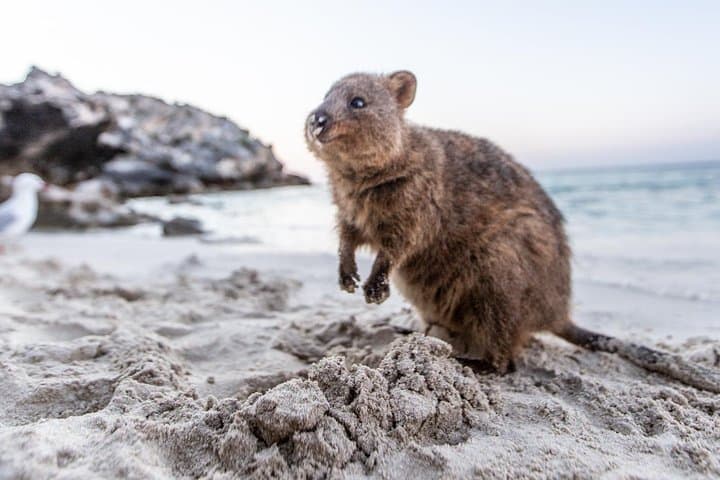
Rottnest’s story folds natural history into human history — a sand-capped remnant of ancient coastal terraces used for generations by the Noongar people, and later charted by Dutch sailors. Geologically simple but ecologically distinct, the island’s Quaternary limestone supports saltbush, samphire marshes and dune-backed bays. Culturally, it’s known for quokkas, small, inquisitive wallabies that have become the island’s unofficial mascots.
Visitors land at the main jetty outside the visitor centre and have a limited window ashore: a full day that rewards walking, cycling and snorkeling. Trails skirt cliff edges with sweeping ocean views; hidden bays offer calmer water for a quick snorkel among seagrass and reef life. The island’s human footprint is compact — bike paths, eco-accommodation and a small network of cafés — which keeps exploration easy to plan.
Practical notes: boarding closes ten minutes before departure, and the standard roundtrip runs about 7–8 hours door-to-door from Fremantle including on-island time. Bring sun protection, a refillable water bottle, and sturdy sandals or cycle-friendly shoes. If you want to rent a bike or book a particular return time, reserve early; peak-season afternoons fill fast. With simple logistics, the ferry makes an accessible sea passage to one of Western Australia’s most immediate island experiences.
easy.
7–8 hours.
Suitable for most fitness levels; expect several miles of walking or cycling if you explore the island
The crossing from Fremantle to Rottnest is typically around 25–30 minutes each way; the full outing including time on the island is about 7–8 hours door-to-door.
Bikes are commonly available to rent on the island and many operators permit bikes on board—confirm space and any additional fees with SeaLink when booking.
Quokkas are curious but wild; observe and photograph them from a respectful distance and don’t feed them—feeding wildlife is illegal and harms their health.
Yes—SeaLink notes wheelchair-accessible boarding and facilities, but notify the operator of any accessibility needs when booking to ensure a smooth check-in.
Rottnest Island sits on limestone terraces exposed after sea-level changes and has been used by Noongar people for thousands of years; it later served as a colonial outpost and prison in the 19th century.
Rottnest operates under strict conservation rules—stay on marked tracks, avoid disturbing wildlife, and use refill stations to reduce single-use plastic.
Captain Cook Cruises (WA) operates guided outdoor trips and adventures with an emphasis on safety, stewardship, and memorable experiences.
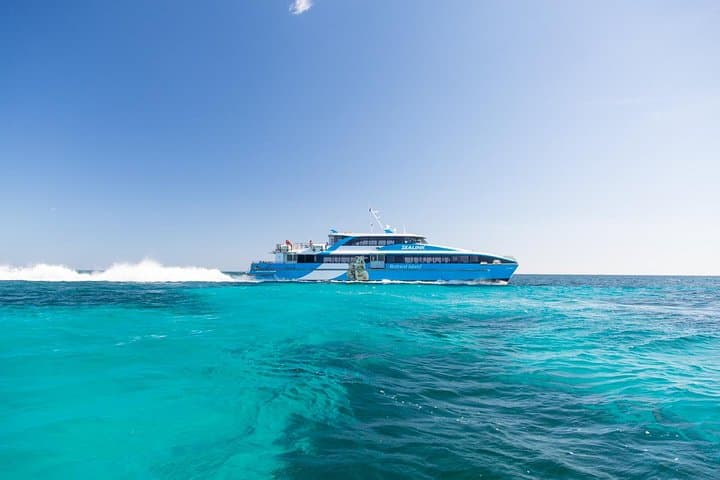
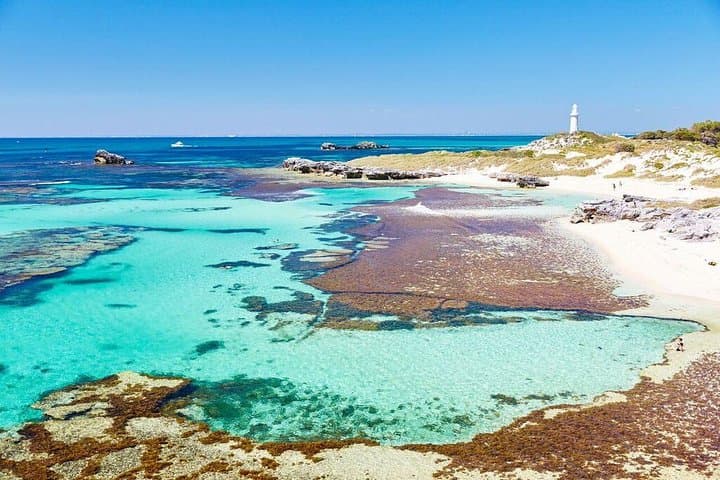
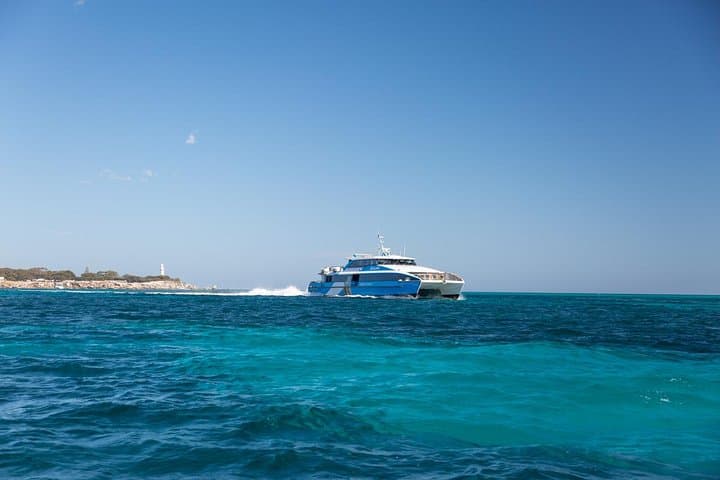
The slipway thrums as the ferry eases away from Fremantle’s historic docks, gulls riding the bow wake and salt spray daring you to lean into the wind. Thirty minutes later the coastline blurs and Rottnest Island’s low, fossil-rich shore appears: limestone shelves, pale beaches and wind-sculpted vegetation that have shaped the island for millennia.
The slipway thrums as the ferry eases away from Fremantle’s historic docks, gulls riding the bow wake and salt spray daring you to lean into the wind. Thirty minutes later the coastline blurs and Rottnest Island’s low, fossil-rich shore appears: limestone shelves, pale beaches and wind-sculpted vegetation that have shaped the island for millennia.
Rottnest’s story folds natural history into human history — a sand-capped remnant of ancient coastal terraces used for generations by the Noongar people, and later charted by Dutch sailors. Geologically simple but ecologically distinct, the island’s Quaternary limestone supports saltbush, samphire marshes and dune-backed bays. Culturally, it’s known for quokkas, small, inquisitive wallabies that have become the island’s unofficial mascots.
Visitors land at the main jetty outside the visitor centre and have a limited window ashore: a full day that rewards walking, cycling and snorkeling. Trails skirt cliff edges with sweeping ocean views; hidden bays offer calmer water for a quick snorkel among seagrass and reef life. The island’s human footprint is compact — bike paths, eco-accommodation and a small network of cafés — which keeps exploration easy to plan.
Practical notes: boarding closes ten minutes before departure, and the standard roundtrip runs about 7–8 hours door-to-door from Fremantle including on-island time. Bring sun protection, a refillable water bottle, and sturdy sandals or cycle-friendly shoes. If you want to rent a bike or book a particular return time, reserve early; peak-season afternoons fill fast. With simple logistics, the ferry makes an accessible sea passage to one of Western Australia’s most immediate island experiences.