THE ADVENTURE COLLECTIVE® · Independent discovery and booking for outdoor travel

Walk Fremantle’s waterfront with a local photographer and learn manual camera settings, composition, and night techniques. This 2–3 hour guided session focuses on practical instruction and the harbor’s rich textures and light.
Walk Fremantle’s waterfront with a local photographer and learn manual camera settings, composition, and night techniques. This 2–3 hour guided session focuses on practical instruction and the harbor’s rich textures and light.
You step off the tram into a heady mix of salt wind and sunlit sandstone—the Fremantle waterfront laying itself out in slow, honest lines. Boats bob like metronomes; laneways open to cafés and murals, and the harbor light shifts from hard to honey as the tide argues with the shore.
Verified experiences and guided adventures in the surrounding area.
Operated by Alfonso Calero Photography · Fremantle, Western Australia
You step off the tram into a heady mix of salt wind and sunlit sandstone—the Fremantle waterfront laying itself out in slow, honest lines. Boats bob like metronomes; laneways open to cafés and murals, and the harbor light shifts from hard to honey as the tide argues with the shore.
This is a place shaped by limestone shelves, colonial docks and a working port history that includes convict-era buildings and maritime warehouses. Your tutor will point out details born of that history—iron bollards, ochre brick, the grain silos—and show how texture and angle turn them into strong subjects. Fremantle’s geology gives a warm palette; its streets and jetties reward low-angle shots at golden hour.
On the tour expect a guided, small-group walk of roughly 2–3 hours led by a local photographer who teaches manual camera settings, composition and practical tweaks for coastal light. Whether you arrive for a daytime composition session or a night shoot with a tripod, the focus is hands-on: aperture, shutter speed, ISO and framing in real scenes.
Practical notes: aim to shoot around sunrise or late afternoon for the best side light, carry extra batteries and a compact tripod for night and long exposures, and wear comfortable, water-resistant footwear for wet jetties. The route is flat and accessible for most fitness levels, but narrow lanes and working docks require situational awareness.
Bring curiosity and a camera you can set manually—expect to leave with sharper technical skill and a folder of Fremantle images that show both history and the harbor’s ever-changing light.
easy.
2–3 hours.
Light walking on flat urban and coastal surfaces; suitable for most fitness levels.
No—tutors teach manual camera settings and composition, but basic familiarity with your camera’s controls speeds learning.
A tripod is strongly recommended for night sessions and long exposures; daytime composition workshops may not require it.
Tours are small—typically up to 10 participants—allowing for hands-on instruction and personalized feedback.
The cancellation policy allows refunds if the operator cancels; light rain may still permit shooting with appropriate clothing, but extreme weather will likely reschedule.
Fremantle developed as Western Australia’s main port; its 19th-century warehouses and Fremantle Prison reflect the town’s maritime and colonial past.
Respect working dock areas and private property; stay on paths and avoid disturbing shorebird roosts, especially during nesting season.
Alfonso Calero Photography operates guided outdoor trips and adventures with an emphasis on safety, stewardship, and memorable experiences.
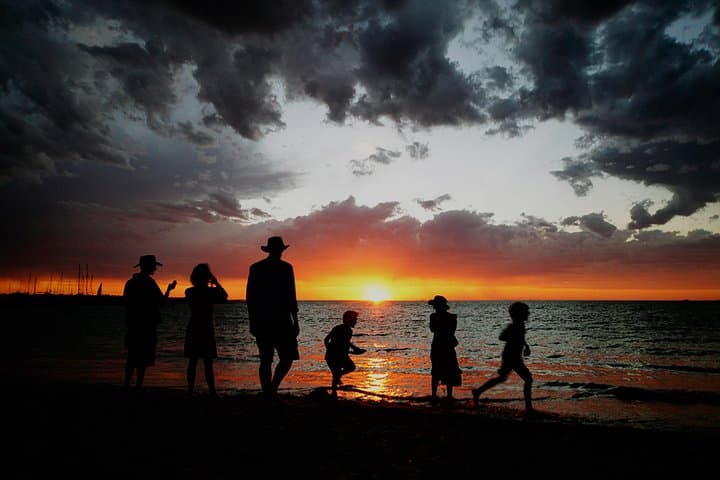
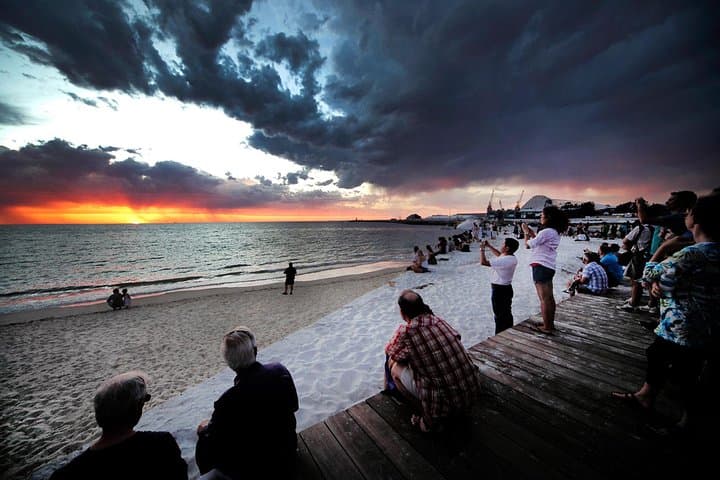
You step off the tram into a heady mix of salt wind and sunlit sandstone—the Fremantle waterfront laying itself out in slow, honest lines. Boats bob like metronomes; laneways open to cafés and murals, and the harbor light shifts from hard to honey as the tide argues with the shore.
You step off the tram into a heady mix of salt wind and sunlit sandstone—the Fremantle waterfront laying itself out in slow, honest lines. Boats bob like metronomes; laneways open to cafés and murals, and the harbor light shifts from hard to honey as the tide argues with the shore.
This is a place shaped by limestone shelves, colonial docks and a working port history that includes convict-era buildings and maritime warehouses. Your tutor will point out details born of that history—iron bollards, ochre brick, the grain silos—and show how texture and angle turn them into strong subjects. Fremantle’s geology gives a warm palette; its streets and jetties reward low-angle shots at golden hour.
On the tour expect a guided, small-group walk of roughly 2–3 hours led by a local photographer who teaches manual camera settings, composition and practical tweaks for coastal light. Whether you arrive for a daytime composition session or a night shoot with a tripod, the focus is hands-on: aperture, shutter speed, ISO and framing in real scenes.
Practical notes: aim to shoot around sunrise or late afternoon for the best side light, carry extra batteries and a compact tripod for night and long exposures, and wear comfortable, water-resistant footwear for wet jetties. The route is flat and accessible for most fitness levels, but narrow lanes and working docks require situational awareness.
Bring curiosity and a camera you can set manually—expect to leave with sharper technical skill and a folder of Fremantle images that show both history and the harbor’s ever-changing light.